There is plenty of crude oil sloshing around the global economy right now, which has kept crude oil prices relatively low. Brent crude stands just below $63 a barrel and West Texas Intermediate is around $59.
That low-ish price led OPEC and its allies to decide over the weekend to hold the amount of oil they supply to global markets steady for the next few months. OPEC+ countries have been trying to boost oil production for a few years now, but the laws of supply and demand have made that tricky.
There’s been this tug-of-war between some members of OPEC+, said Mark Finley, a fellow at Rice University: “Do they want to have higher prices and higher revenues, or do they want to claim market share as the world’s low cost suppliers?”
The chasing-market-share side won out for a while, and OPEC countries pumped more oil. But it’s hard to keep that up when prices are as low as they are.
And prices are low in part because the market’s gotten crowded. For one, there’s the U.S., which produced a record amount of crude in September. Hugh Daigle, an engineering professor at the University of Texas at Austin, said that’s partly because U.S. oil producers have gotten more efficient.
“As it stands right now, most basins here in the U.S. are still profitable,” he said, even at $60 or so a barrel.
But it’s not just the U.S. boosting supply, said Matt Smith, lead oil analyst for the Americas at data firm Kpler.
“We have Brazil hitting record production. We have Canada also showing increasing output. You have Norway increasing production,” he said.
There’s also new offshore drilling elsewhere in South America. A lot of this new output was planned years ago, but it takes a while to get a new oil rig going.
“It’s like London buses. They’ll all come along at the same time,” Smith said.
And that’s the challenge for OPEC.
“It’s not just one player that they’re having to deal with here, but it’s a number of them all increasing, getting up to record production at the same time,” Smith said.
All of that supply is hitting kind of tepid demand, said Clark Williams-Derry at the Institute for Energy Economics and Financial Analysis.
The global economy is a bit shaky. And, especially in Europe and Asia, “electric vehicles are starting to bite into gasoline demand, into diesel demand,” Williams-Derry said. That’s pushing down the price of crude.
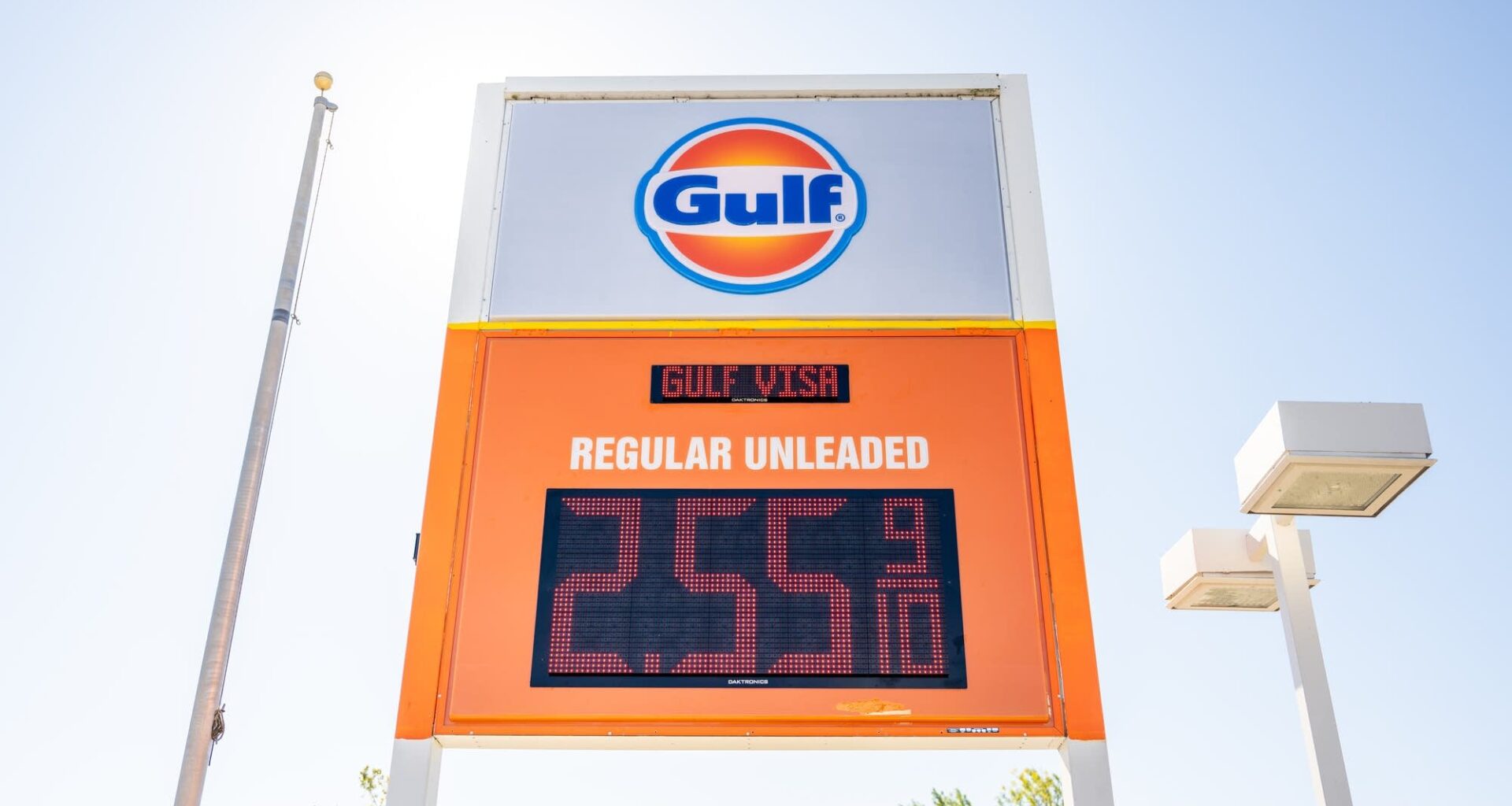
For the rest of us who don’t drive EVs, that means lower gas prices. The U.S. average is now under $3 a gallon.
Related Topics