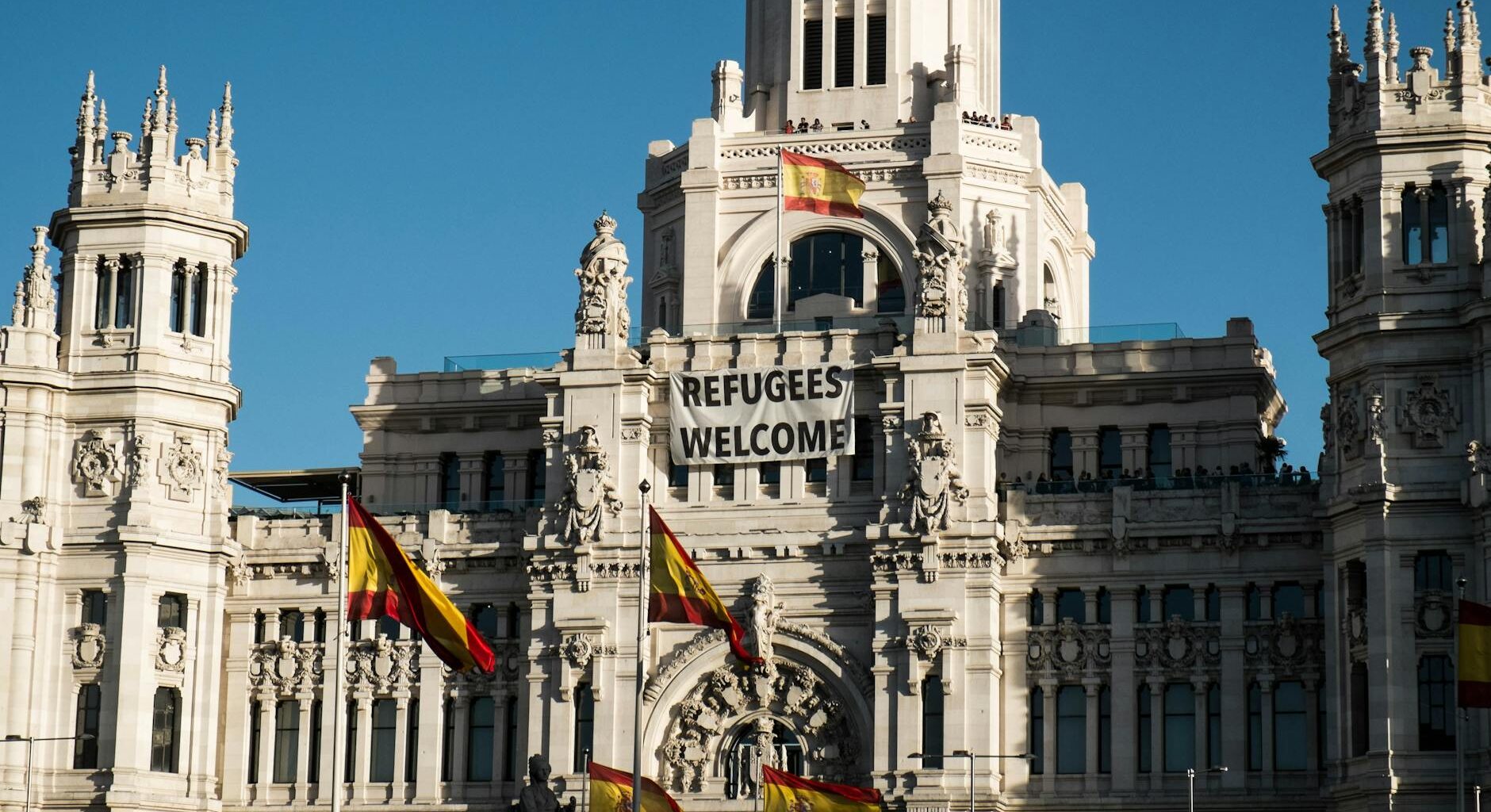
Note: This post is not connected to Sam’s excellent posts on our obligations to geopolitical refugees, immigrants and strangers. These are super important — defining of our discipleship, even — and deserve center stage in any conversation about seeking refuge.
I recently heard a local pastor say “we know our church is home to a lot of religious refugees, and we order our worship accordingly.”
He wasn’t referring to geopolitical refugees, immigrants and strangers, many of whose migration is motivated by persecution for their religious beliefs; our treatment of whom defines our discipleship.
A person becomes a refugee when the point of moving is to leave, not to arrive. When the familiar isn’t safe, so they seek safety in the unfamiliar.
This pastor was referring to (primarily LGBTQ+) Catholics, Pentecostals, and Evangelicals who had left their religious heritage because they felt unsafe. And while many (maybe most!) never seek out another organized religion, those that do in my area apparently often find themselves “religious refugees” in this church.
And I felt that idea deep in my soul. Refugeeism entails displacement and loss — of identity, of home, of ritual, of loves and sometimes of lives.
Especially in the last several years, I’ve felt like a doula of loss for quite a few people who have left the church. At other times in my adulthood I’ve felt like a cultural translator of sorts for people joining the church.
And for many, in both directions, this phrase seems to apply.
They left to find spiritual safety in the religiously unfamiliar, because their familiar religious environment was spiritually unsafe.
They felt the displacement and loss acutely— of identity, of ritual, of stories, of habits, of relationships, of love. Fortunately none that I’ve known personally have lost their lives to look for safety in the unfamiliar.
How does this context for a “religious refugee” sit with you? Do you think it’s a fair term to use in this context? What term might you use instead?
Do you have personal experiences with changing religious practice for spiritual safety, either to or from the church? What was that like? What did you need or feel?
Note that experiences of seeking safety in the unfamiliar through joining and/or leaving the church are welcome; comments will be strictly monitored for shaming, polarizing, or vilifying language.
Help us satisfy google by sharing this post on your socials:Like this:
Like Loading…