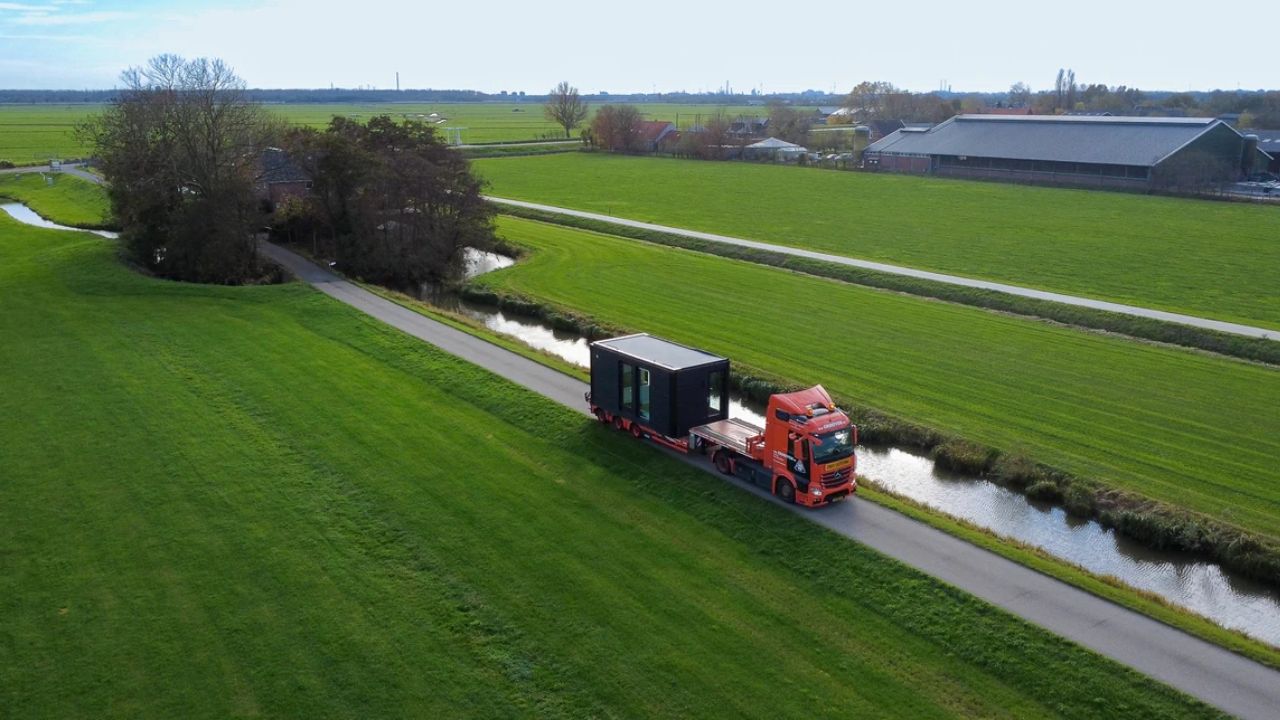
The Netherlands opens the world’s first cultivated meat farm, combining biotechnology and agricultural production to transform the way protein is produced.
The Netherlands became the first country in the world to inaugurate a cultivated meat farm By integrating biotechnology and agricultural production within a farm in Zuid-Holland. The initiative was launched by the startup RespectFarms in partnership with dairy farmer Corné van Leeuwen.
The proposal aims to cultivate meat directly on the farm, replacing traditional slaughter with cellular processes. According to its creators, the motivation is to create a more sustainable model and ensure that farmers have an active role in the future of food.
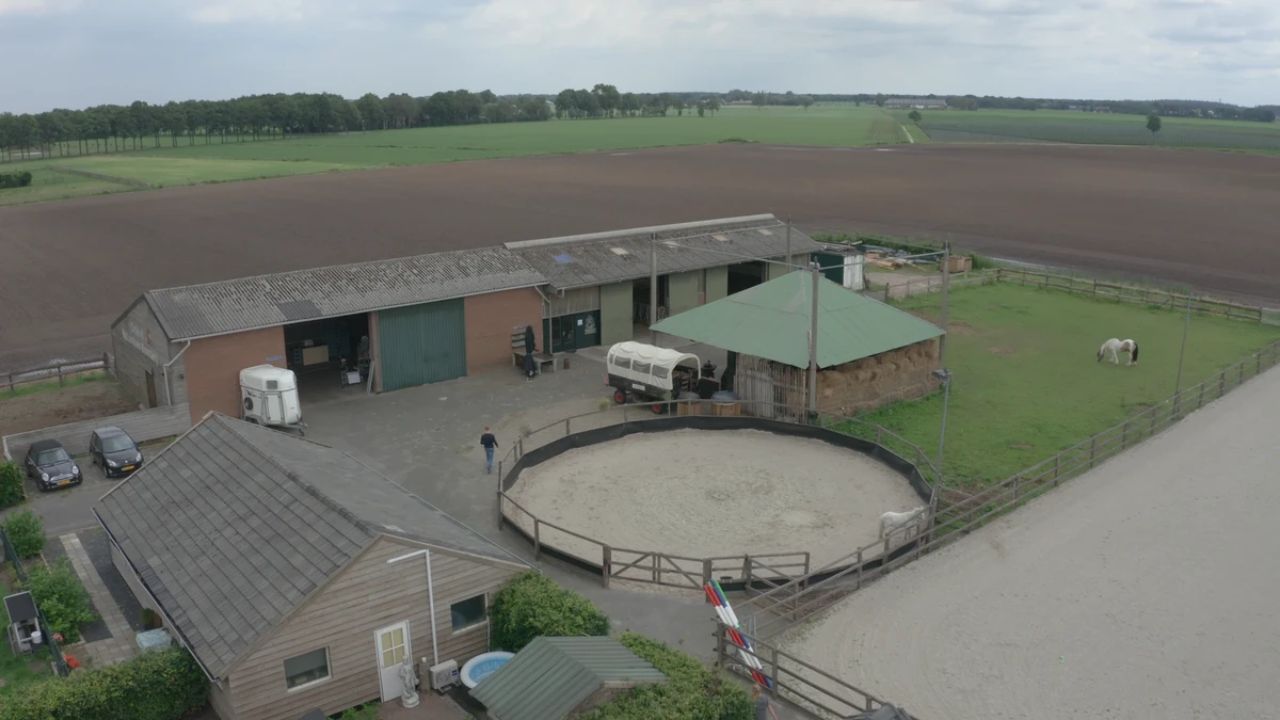
Unlike industrial laboratory projects, the Dutch cultured meat farm was designed to operate within an existing rural operation.
This decentralized format aims to ensure that the technological transition does not exclude farmers, but rather brings new income alternatives.
RespectFarms argues that this is the way for the protein supply chain to evolve without disrupting the relationship with those who have historically produced the food.
The union between the dairy barn and cell production creates a unique environment where cell culture techniques coexist with the daily work of the farm.
Thus, the Netherlands is positioning itself at the forefront by experimenting with hybrid models that connect tradition and innovation.
Cultured meat farm technology transforms cells into food.
The structure installed on Corné van Leeuwen’s property received equipment capable of cultivating animal cells in controlled systems — a process that replicates the growth of muscle tissue without the need to raise or slaughter animals.
This method, known as cultured meat, had already been studied worldwide, but had never been applied directly in a rural setting.
The project was funded by EIP-Agri, a European agency that promotes rural productivity, as well as with support from the province of Zuid-Holland.
The funding reinforces European interest in sustainable food solutions and places the Netherlands at the heart of agri-food innovation.
Initial operations will begin soon at the Dutch farm.
Production testing will begin in the weeks following the opening, in a pilot phase that will measure costs, efficiency, and yield.
This initial period will serve to discover whether the cultivated meat farm can truly compete with traditional protein models, both in price and volume.
To increase transparency, RespectFarms also announced the creation of a Cultured Meat Experience Center.
The space is scheduled to open in the spring of 2026 and will welcome consumers, researchers, authorities, and farmers interested in understanding how cultured meat works.
Economic and social impact puts farmers at the center of innovation.
The Dutch initiative aims to demonstrate that farmers will not be excluded from the transition to alternative proteins.
On the contrary: farmed beef production can economically strengthen small and medium-sized producers by creating new sources of income and allowing modernization without abandoning current activities, as was the case with the Leeuwen family’s milk production.
Furthermore, the decentralized model helps reduce dependence on the centralized food industry, promoting shorter, traceable, and resilient supply chains.
Cultured meat farm could change the future of global livestock farming.
This experiment could influence public policies, supply chains, and society’s own view of how protein should be produced.
Countries studying regulations for cultured meat are closely watching the results of this project in the Netherlands, as it directly tests the economic, environmental, and social viability of cell culture in the field.
The hope is that, if the model works, other European farms and farms in different regions of the world will adopt similar systems, creating a new stage for the food sector.
The Netherlands initiates a global shift in meat supply.
With the opening of the world’s first farmed beef industry, the Netherlands is consolidating a movement that combines agricultural tradition and cutting-edge technology.
The RespectFarms project offers a glimpse of what protein production could become in the coming decades — more efficient, less dependent on slaughter, and integrated into the work of rural producers.
Source: Buy Rural