Josh MartinBusiness reporter

 Reuters
EV levies, tourist taxes, pension changes and income tax policy were announced in the Budget on 26 November, but were reported by media beforehand
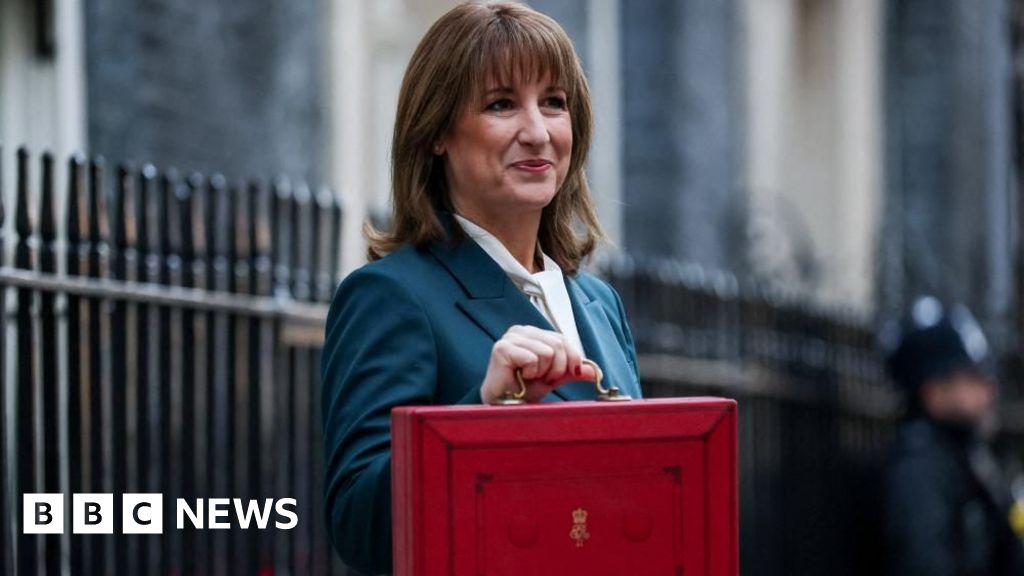
Chancellor Rachel Reeves is backing an inquiry into pre-Budget leaks from the Treasury which knocked business and consumer confidence and moved markets.
The chief secretary to the Treasury told the Commons on Wednesday an inquiry into pre-Budget leaks was under way, led by top Treasury civil servant James Bowler and had “the full support of the chancellor”.
Policies such as a freezing of income tax thresholds, a pay-per-mile levy on electric vehicles and a tourist tax were all reported in the lead-up to the Budget on 26 November.
A downgrade of UK productivity from the Office for Budget Responsibility, and a plan to raise income tax rates, later abandoned, were also briefed to media.
Speaker Sir Lindsay Hoyle criticised the leaks, branding it the “hokey-cokey Budget,” and reminded the government that policy should be announced first to the Commons.
James Murray, chief secretary to the Treasury, told the Commons: “The government puts the utmost weight on Budget security, including prevention of leaks of information.
“A leak inquiry is now under way with the full support of the chancellor and the whole Treasury team.”
Mr Bowler would investigate the “security processes to inform future fiscal events”, Mr Murray said.
The Chair of the Treasury Select Committee, Dame Meg Hillier MP, said: “Leak inquiries have a habit of not finding someone responsible. But if somebody is found responsible, will they follow the lead set by Richard Hughes [and resign]?”
Mr Murray responded saying he would “not speculate on the outcome of the leak inquiry”.
Mr Hughes was chairman of the Office for Budget Responsibility (OBR) before he resigned on Monday following a Budget day error which saw a key document published before the chancellor delivered her speech.
The OBR’s early publication effectively confirmed a number of new Budget measures before the chancellor announced them.
‘Unhelpful’ speculation
The steady flow of headlines around taxation and forecasts for the economy also influenced the bond markets, which dictates the interest rates the UK pays on its debt.
A pre-Budget survey by Barclays pointed to more than half of business leaders saying they had delayed investment decisions until after the two-month lead-up to the Budget.
“Hundreds of thousands” of people drew down part of their pension savings prematurely ahead of this Budget and the previous one because they were worried about what might be in it, the boss of one of the UK’s biggest pension providers told Radio 4’s Today programme.
Mark FitzPatrick, chief executive of the FTSE 100 wealth manager St James’s Place, said: “The run-up to the Budget this time…there was a lot of speculation…and people act on speculation.
“The flying of kites is unhelpful when it affects people’s lives.”