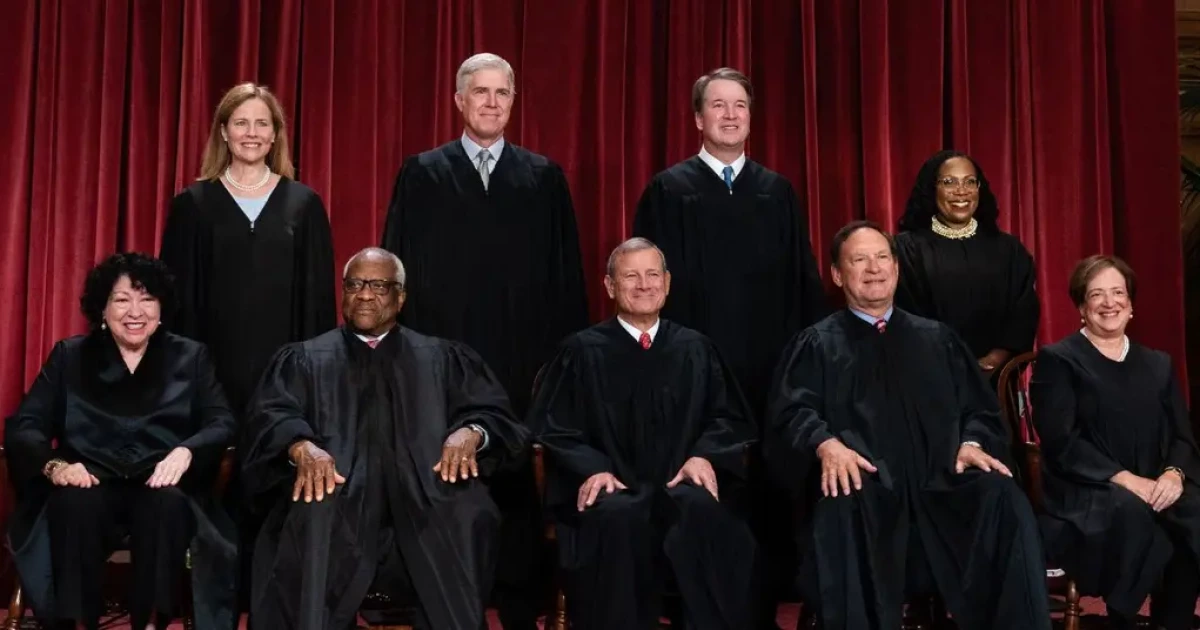
The U.S. Supreme Court has announced that it will take up a major immigration case examining the legality of “metering,” a border practice used by multiple administrations to restrict how many migrants may apply for asylum at ports of entry. The decision follows the Trump administration’s appeal of lower-court rulings that declared the policy unlawful.
Asylum seekers
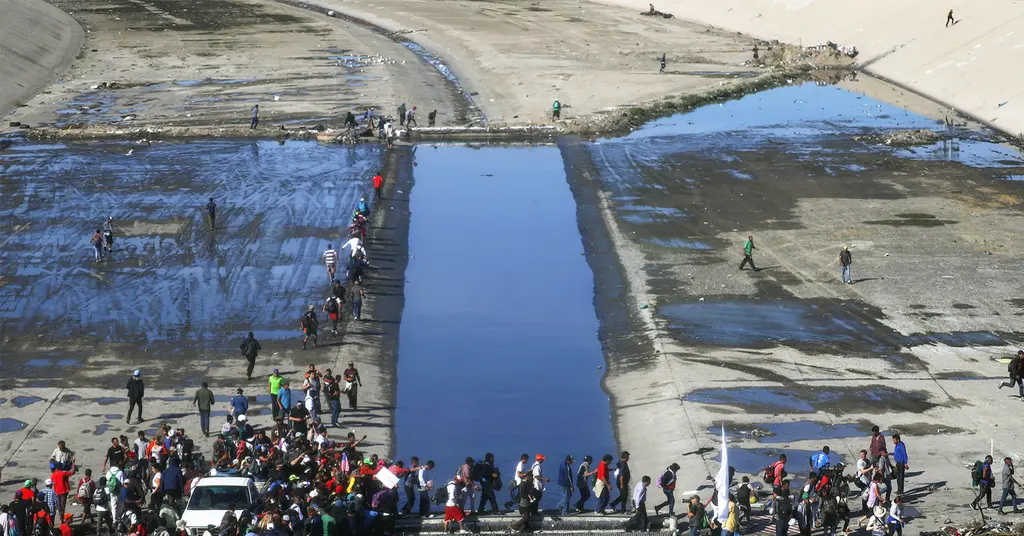 The Supreme Court agreed to review the legality of ‘metering.’ By: MEGA
Metering barred migrants from stepping onto U.S. soil until space became available for processing, creating long waiting lists and leaving thousands of asylum seekers stranded in Mexico. Although the practice was discontinued years ago, the administration urged the justices to intervene, arguing the rulings strip the government of an important management tool. Advocacy groups have long criticized metering and similar restrictions, saying they undercut the nation’s legal and moral obligations. As the filing noted, limits on asylum “had grown over recent years, at times leaving thousands of immigrants stranded in Mexico,” raising humanitarian concerns that persisted across administrations.
The Supreme Court
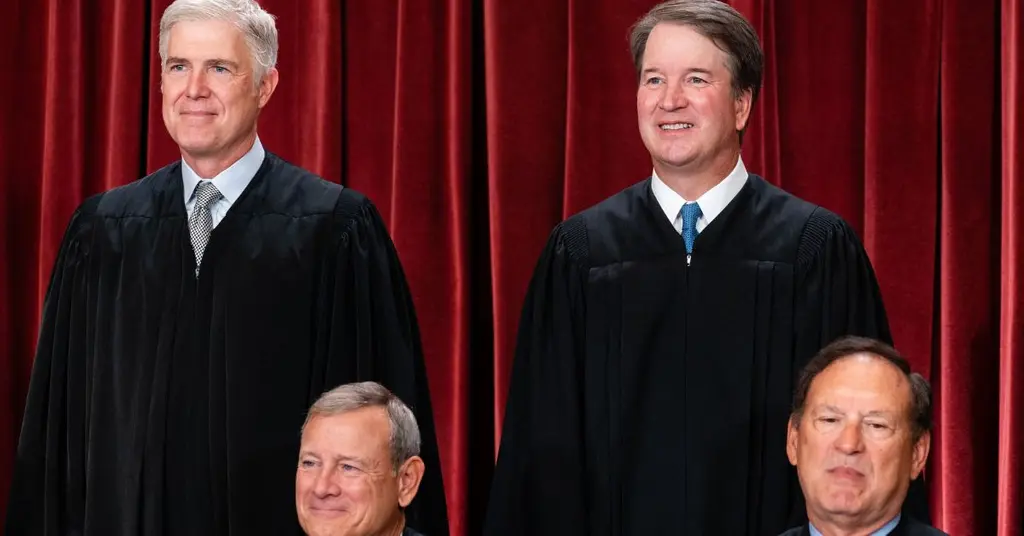 The case comes from the Trump administration’s appeal of lower-court rulings. By: MEGA
The Supreme Court agreed to hear the issue even though, as advocates pointed out, the lower-court decisions currently have “no ongoing practical effect.” President Donald Trump suspended the asylum system on the first day of his second term, and former President Joe Biden formally rescinded metering in 2021. Still, the Justice Department argued that the rulings removed “a tool that administrations of both parties have deemed critical for controlling the processing of inadmissible aliens during border surges.”
The Trump administration
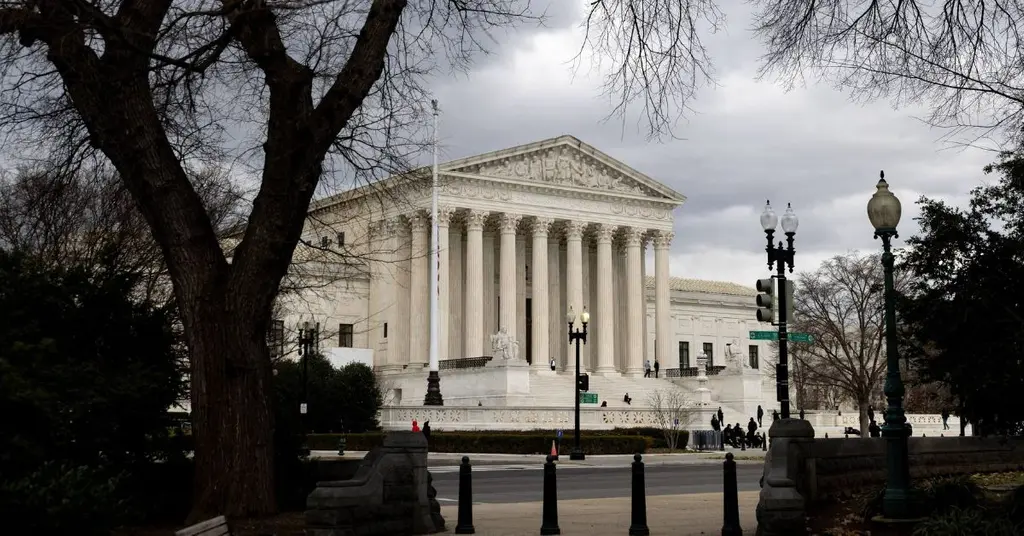 Metering was first implemented under President Obama. By: MEGA
Metering was first introduced under former President Barack Obama, when large numbers of Haitian migrants arrived at the Tijuana–San Diego crossing. The Trump administration later expanded the practice to the entire southern border during its first term. It ended in 2020 when the COVID-19 pandemic triggered even stricter limits on asylum seekers. In 2021, U.S. District Judge Cynthia Bashant ruled that metering violated migrants’ constitutional rights as well as federal law requiring officials to screen anyone who approaches the border seeking asylum. A divided panel of the 9th U.S. Circuit Court of Appeals upheld the decision in a 2–1 ruling. Notably, 12 of the court’s 29 judges voted to rehear the case — an unusually high number that may have drawn the Supreme Court’s attention.
U.S. law
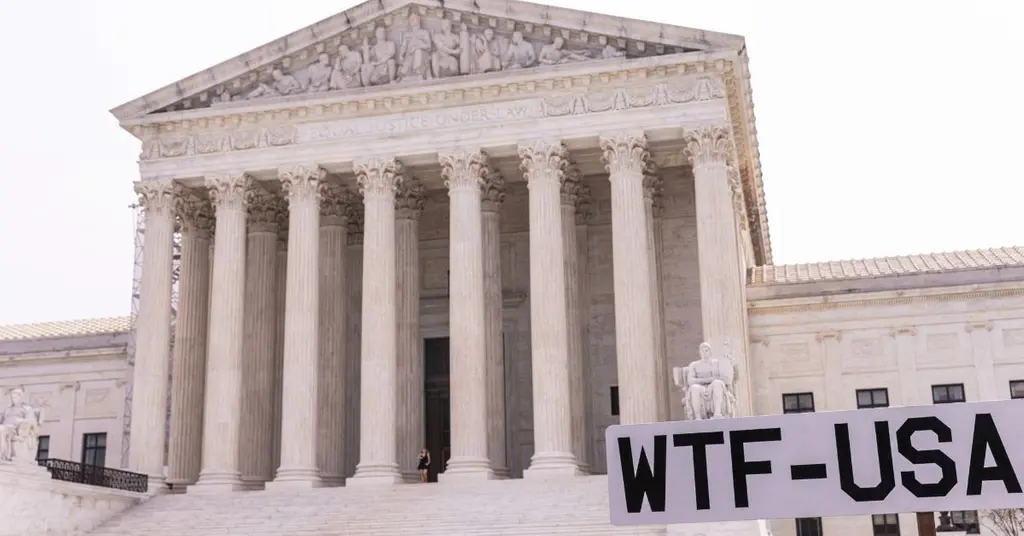 The practice ended in 2020 with the onset of the COVID-19 pandemic. By: MEGA
Under U.S. law, asylum seekers may apply once they reach American soil, regardless of whether their entry was legal. Applicants must demonstrate fear of persecution in their home countries based on race, religion, nationality, membership in a particular social group, or political opinion. Those granted asylum cannot be deported and may work legally, bring immediate family members, apply for permanent residency, and eventually seek citizenship.