
Researchers in Croatia have uncovered a hoard of silver coins while investigating a Roman layer in the Batina region.
Researchers have detected what they believe to be one of the most remarkable numismatic discoveries from Europe. This discovery took place in Croatia and resulted in the unearthing of a medieval coin hoard associated with the period of the First Crusade, according to Arkeo News. Through these coins, they are hopeful to garner more insights into the economic history of the region, the circulation routes followed during the medieval period, and the movement of crusaders across Central and Southeastern Europe. Researchers were surprised by the discovery of these coins, as they were investigating layers dating back to Roman times, and their findings turned out to be from a later point in time.
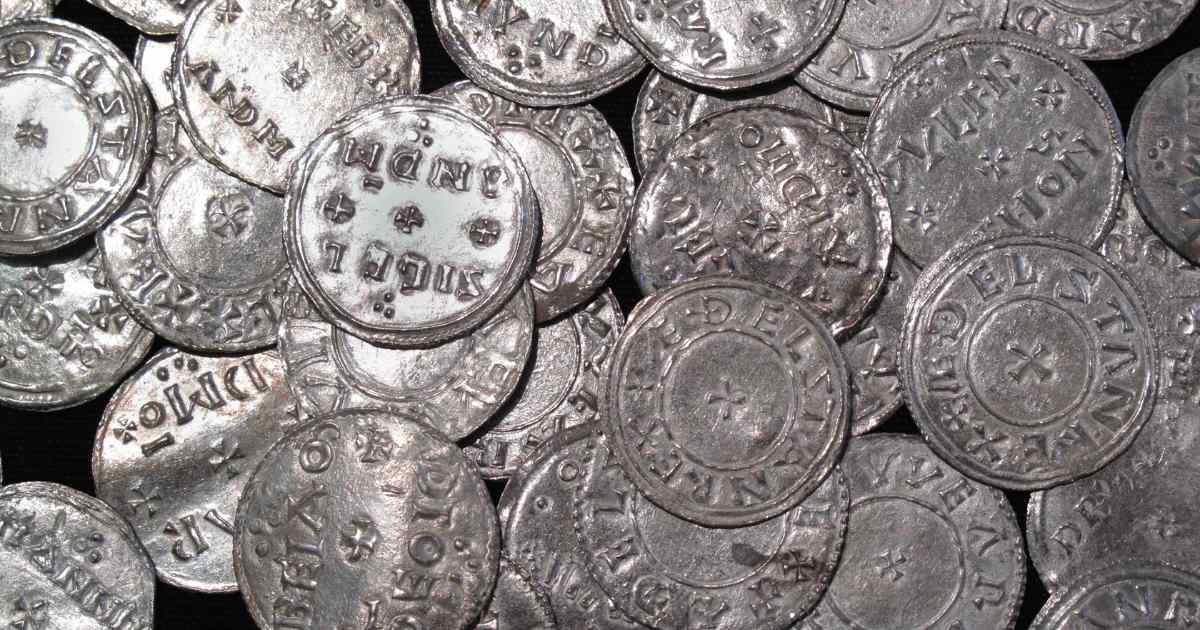
A silver coin hoard. (Representative Image Source: Getty Images | TonyBaggett)
Sensational Revelation
These coins were exhibited in “Batina – Treasure of the Cross: A Hoard of Silver Coins from the Time of the First Crusade” at the Archaeological Museum in Osijek, Croatia, according to Croatia Week. Culture and Media Minister Nina Obuljen-Koržinek called the discovery a sensation both in the context of Croatian and European archaeology. The coins were uncovered during an excavation in 2023. Researchers were surprised after discovering Middle Age finds from a site that was not supposed to hold them. They were gathered from a site called Batina in Baranja, where artifacts are typically dated back to the Iron Age and the Roman times. The hoard primarily contained silver coins and may have been used by Crusaders traveling towards Jerusalem.
Association with the First Crusade
Researchers believe that the discovery of such coins in the Batina region proves that the area was part of the route crusaders usually took to reach Jerusalem. It has shed more light on the pilgrimage route undertaken during the medieval period, as well as the way military and trade networks may have spread throughout the area. The treasure was connected to the crusade, as most of these coins were deemed to be French, according to IZ. Most of the first crusaders belonged to France. A majority of these crusaders supposedly moved through the Balkan lands to Constantinople. Some small groups, families, and individual travelers took less documented routes through the north of Croatia to reach their destination. This discovery indicates that the Batina was either part of the popular route or the alternative ones.
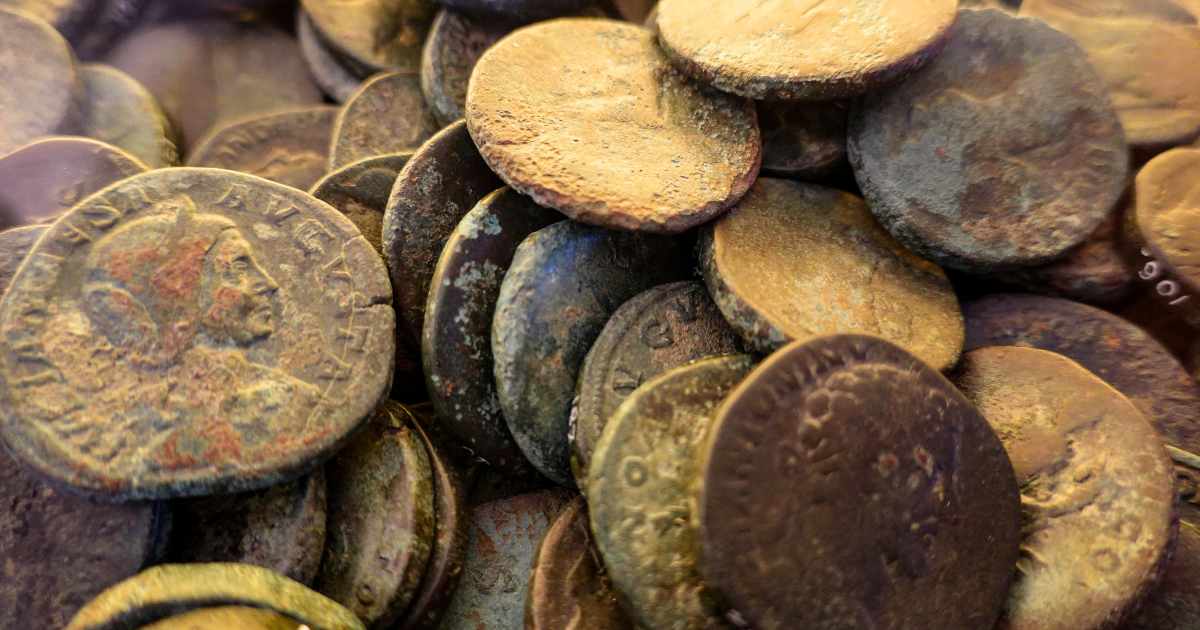
Pile of ancient Roman coins (Representative Image Source: Pexels | Photo by Magda Ehlers)
Rarity of coins
The hoard contained 56 silver French coins dating back to sometime between the 11th and 12th centuries. Considering that it was during this time period that the First Crusade took place, further strengthens the assertions. The historical context of these coins makes them extremely valuable, as there was an acute shortage of silver in Europe back then. It declined mining, disrupted trade routes, and led to an elevated political crisis. All of this significantly reduced the minting of such silver coins, and hence, wide varieties as the one found in the collection have been preserved in just single copies. These coins are not only rare in Croatia, but even in France. It makes the hoard one of the most significant European numismatic discoveries, as many of the coins in the hoard account for just 10% of the total specimens associated with that copy.