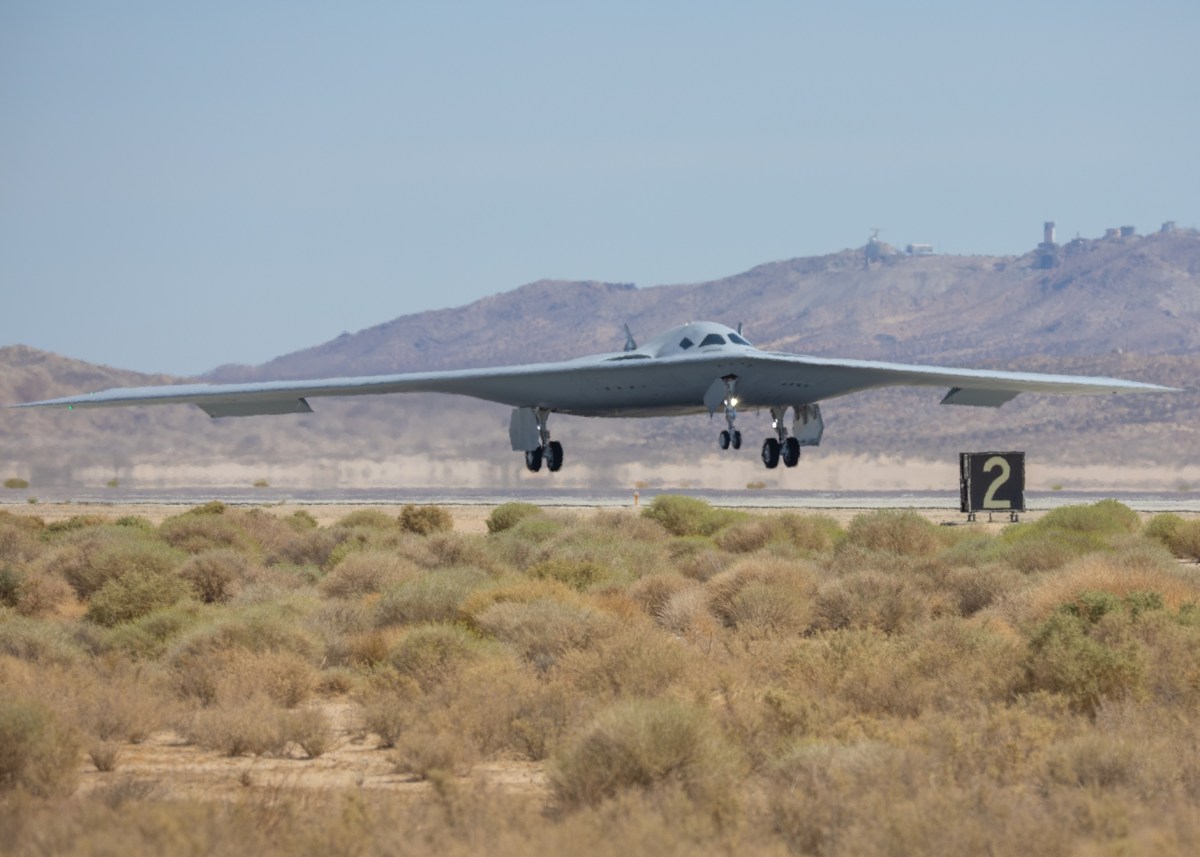
Ellsworth Air Force Base in South Dakota, the future home of the B-21 nuclear-capable bomber, has upgraded its runway as part of preparations for the stealth aircraft’s arrival.
The base, originally assigned a fleet of 17 B-1B bombers, was selected in 2021 as the first operating base in the United States and the location of a training unit for B-21 bombers, which are designed to conduct penetrating conventional and nuclear strikes.
Why It Matters
The B-21 bomber—also known as the Raider in honor of the Doolittle Raiders, who are known for their 1942 surprise attack on Japan during World War II—are set to be a key part of the U.S.’s nuclear triad, along with land-based missiles and submarines, providing what the Pentagon calls “a credible and flexible nuclear deterrent” against adversaries.
The development of the B-21 bomber is part of the ongoing and complex U.S. nuclear forces modernization effort, which also includes a new intercontinental ballistic missile and a next-generation ballistic missile submarine, amid Russian and Chinese nuclear advances, including tests of novel weapons and the unveiling of more capable missiles.
What To Know
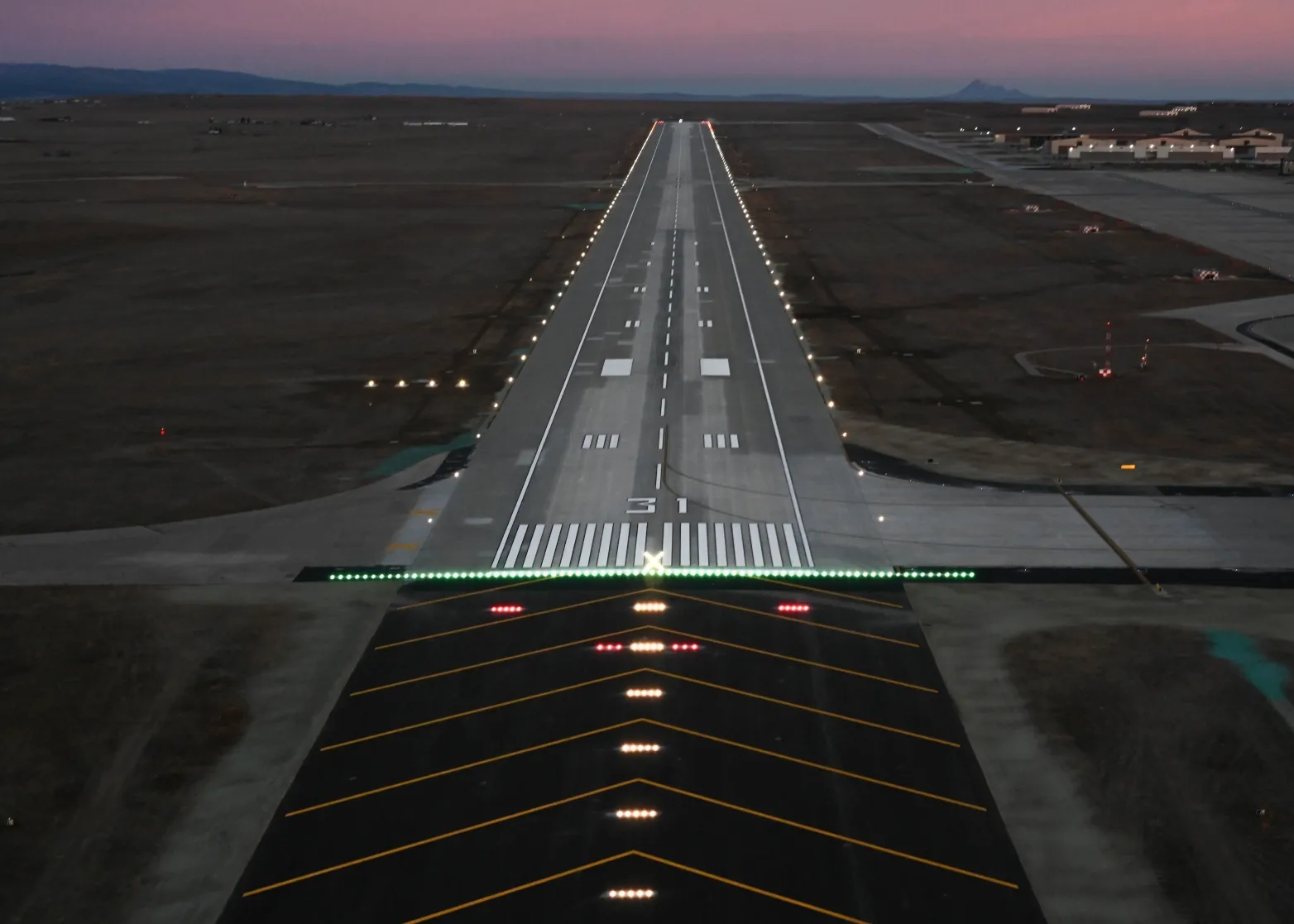
In a Thursday news release, the U.S. Air Force’s 28th Bomb Wing said it held a ribbon-cutting ceremony on Wednesday to mark the completion of a $129.5 million runway construction upgrade at Ellsworth Air Force Base, which began in December 2024.
Colonel Erick Lord, the 28th Bomb Wing commander, said the significant infrastructure upgrades to the runway would ensure the base’s survivability for “at least the next 50 years” and enable it to operate B-21 bombers, the first U.S. sixth-generation combat aircraft.
Officially released photos show concrete being poured onto the runway on June 18, while airfield lights were powered on and tested on November 26. The 28th Bomb Wing said a total of 106,000 tons of concrete were used to rebuild the runway surface.
The U.S. Army Corps of Engineers and RC Construction Inc., the primary contractor, also participated in the project. According to a 2021 Air Force announcement, the first B-21 bombers are expected to arrive at Ellsworth Air Force Base in the mid-2020s.
While the runway was closed for rebuilding, the base’s B-1B bombers and 800 airmen were relocated to Grand Forks Air Force Base in North Dakota, where they continued to support taskings and carry out the 28th Bomb Wing’s long-range strike mission.
Whiteman Air Force Base in Missouri and Dyess Air Force Base in Texas were also selected as the second and third B-21 bomber bases. Whiteman is home to the B-2 nuclear-capable bomber, while Dyess hosts the conventionally armed B-1B bomber.
The U.S. Air Force previously announced its plan to operate at least 100 B-21 bombers to replace the B-1B and B-2 bombers. The Raider, along with the legacy B-52H bomber, would form the future U.S. bomber fleet for both conventional and nuclear missions.
What People Are Saying
Colonel Robert Newbauer, the U.S. Army Corps of Engineers Omaha District commander, said in a news release: “Rebuilding a runway of this scale requires precision, coordination, and a relentless focus on safety and quality. Our engineers and construction partners worked closely with the 28th Bomb Wing every day to keep this effort on track and to ensure the finished runway meets the standards required for decades of reliable use.”
Colonel Erick Lord, the U.S. Air Force 28th Bomb Wing commander, said: “Even though our aircraft were not flying out of Ellsworth, our ability to deliver long-range strike throughout the world was unabated. No matter where our aircraft and Airmen are stationed, the 28th Bomb Wing resides on the forward edge of American air power.”
What Happens Next
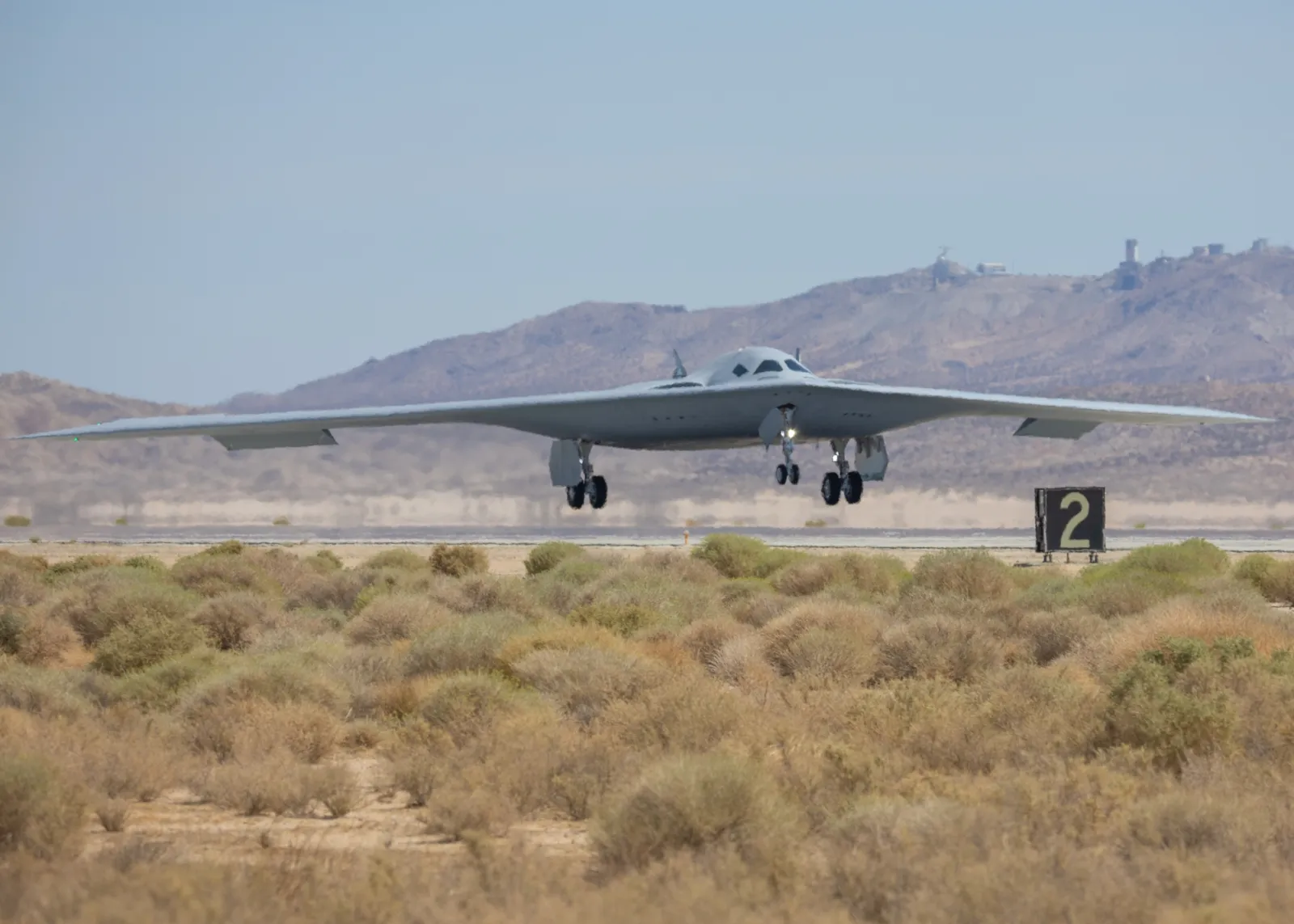
The B-21 bomber program is in the testing phase, as the second flight test aircraft arrived at Edwards Air Force Base in California in September, allowing the Air Force to expand testing to the bomber’s critical mission and weapons systems.