Why now? I had three children without ever seeing a doctor. Why go looking for problems?
That’s what Fatima, a 38-year-old Somali mother, said when I encouraged her to attend a prenatal appointment. She wasn’t being dismissive. But she had delivered her first three children in a refugee camp. Now, pregnant with her fourth in the United States, she saw no reason to enter a system she neither trusted nor understood.
To someone unfamiliar with her background, Fatima’s response might sound irrational. But to many immigrants and refugees — especially those who’ve survived war, displacement, or poverty — her reaction was normal. When daily survival is your only priority, preventive health care becomes a luxury, or worse, a threat.
As a culture broker, someone who bridges the gap between health care providers and immigrant communities, I knew I had to build trust first. Over time, I developed a relationship with Fatima. I listened. I didn’t push. Eventually, with reluctance, she agreed to see a doctor I trusted.
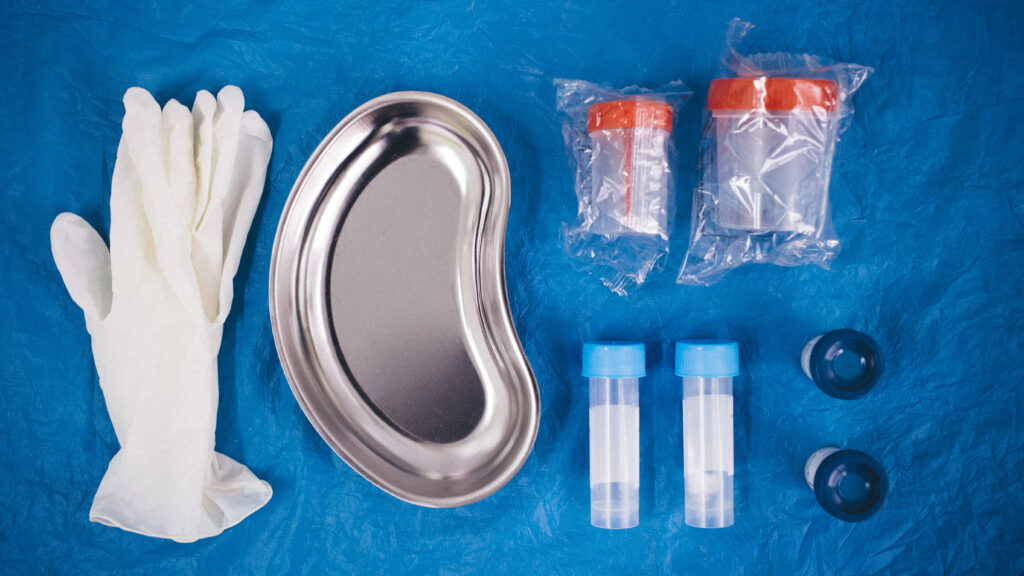
Fatima’s first visit was overwhelming. The doctor ordered a full panel of tests — bloodwork, ultrasound, urine — all standard in U.S. prenatal care. But to her, these tests felt invasive and alarming.
She held my hand and said softly, “Please don’t go anywhere.” I stayed. Even in the bathroom. Because this wasn’t just about medical procedures — it was about emotional safety.
Racial bias in medicine can be as simple as dismissing Black patients as a ‘hard stick’
The next day, Fatima called me. She had a list of questions — not about her baby, but about the system.
Why so many tests?
Why did they touch me so much?
Do they know about female genital cutting?
Why do people say Somali women are always pushed into C-sections?
She was nervous. And not without reason. In her community, women had shared stories that deepened her fear — stories of being misunderstood, mistreated, and dismissed.
We ask why our state has one of the highest infant mortality rates among Black and immigrant women. We ask why so many of these women avoid prenatal care or show up late in pregnancy.
But the better question is: Why would they trust a system that often doesn’t try to understand them?
Too many health care providers lack cultural awareness. And too many immigrants are unfamiliar — or even afraid — of the health care system. These are not personal failures. They are system failures.
And that’s where culture brokers come in, not just to translate language, but to interpret experience, history, trauma, and trust.
When Fatima went into labor, she wasn’t alone. As promised, three of us — her support team — took turns at her bedside. Her husband stayed home with their other children.
Before delivery, I spoke with the obstetrics team about her background. I told them that she had experienced female genital cutting and would need gentle, trauma-informed care. I said that she would benefit from familiar support people in the room. I noted that clinicians would need to clearly discuss pain management with Fatima, not assume that she would want it. Above all, I said, she needed to be treated with patience and respect.
The hospital didn’t have Somali-speaking staff that day. So we became the bridge — not just with our words, but with our presence.
Fatima delivered a healthy baby. More importantly, she left the hospital feeling respected, safe, and empowered.
Health care providers and immigrant patients are often illiterate in each other’s cultures. This disconnect leads to fear, misunderstanding, and poor outcomes.
We need to:
• Train medical staff in cultural humility, not just competence.
• Integrate culture brokers into health care teams.
• Offer prenatal orientation for newly arrived immigrants.
• Build community-hospital partnerships rooted in trust.
• Listen to patient stories — not just symptoms.
When we fail to see the person behind the patient, we lose more than trust. We lose lives. Fatima’s story is not unique. But it is a reminder: Real change doesn’t happen in policy rooms. It happens in exam rooms, one patient at a time — when we listen, adapt, and truly care.
Fartun Weli is a public health advocate and cultural liaison based in Minnesota. She works to bridge the gap between health care providers and immigrant communities.