

Listen to this article
Estimated 3 minutes
The audio version of this article is generated by text-to-speech, a technology based on artificial intelligence.
Rothesay’s Lincoln Bell says sourcing ingredients amidst tariffs imposed by the United States has become a strain on his honey and beeswax product business.
And he’s not alone.
Bell, who owns Sweetie Bees, is just one of many small business owners who say they’ve had to adapt to higher costs.
He said his ingredient supplier is an American operation, but their higher prices have him looking for a cheaper source.
“[My supplier was] acquired by an American company, forcing them to now raise their prices to almost double, sometimes triple, for some of the key ingredients I need to make my products,” he said.
Failing to find a cheaper option may lead to an increase in the cost of the finished product, he said, making it more expensive for his customers.
“I’ve been trying to keep my prices down the same, but I am definitely looking at the option that if I can’t start getting them cheaper again, there is always a chance that prices may increase.”
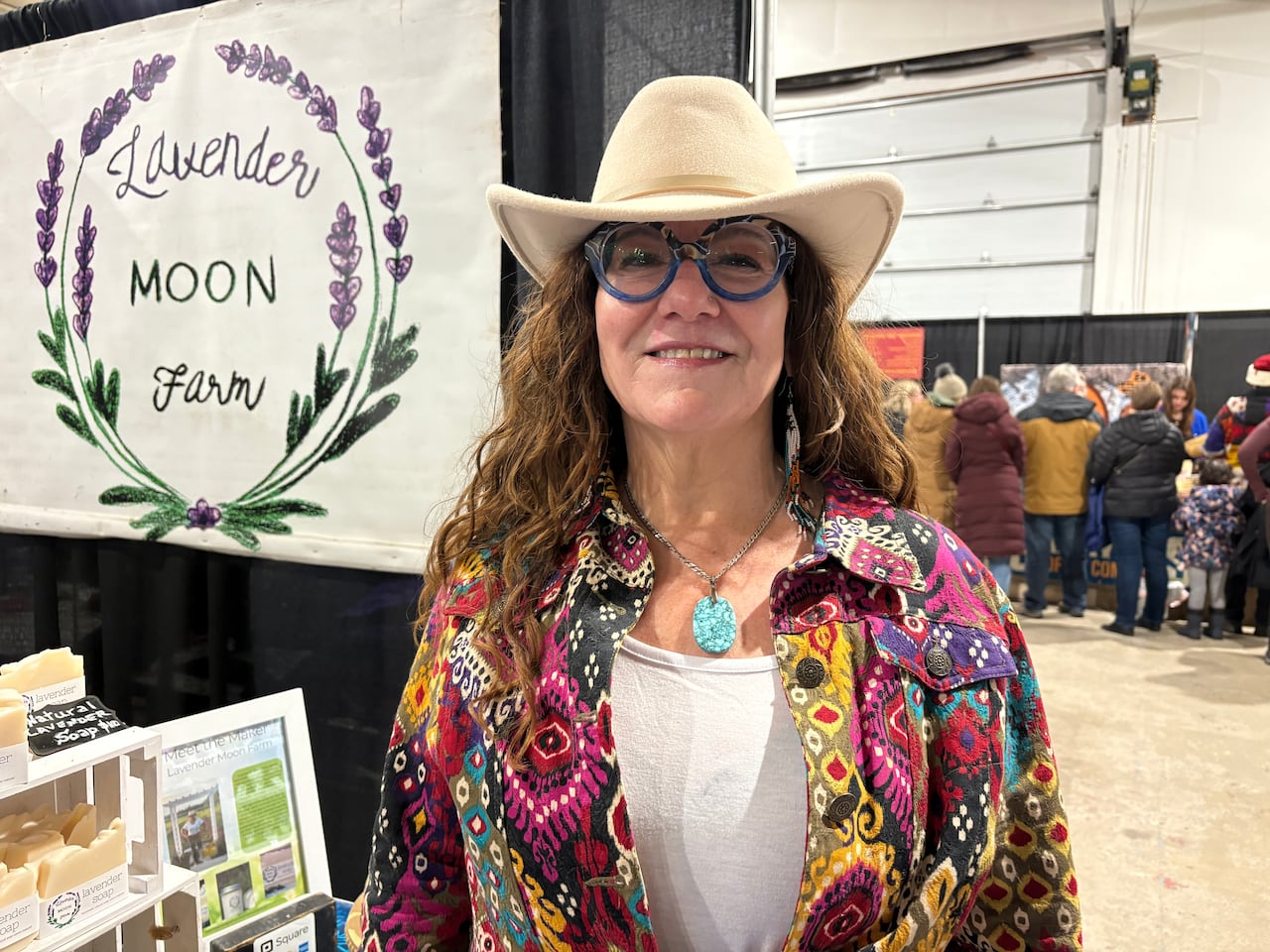
Karen Larter says she’s started to source Canadian ingredients to sustain her products amidst the tariff situation. (Ian Curran/CBC)
Karen Larter owns Lavender Moon Farm in Malden, which also sells organic products. She echoed Bell’s concerns as her ingredient supplier was based in California.
“As a small business owner, it’s tough,” Larter said, who has been farming for six years.
“I’ve had to outsource, find another location for my cocoa butter and my coconut oil, so those for sure have been impacting me with the tariffs,” she said.
After some research, Larter was able to find a cheaper Toronto-based alternative. She encourages businesses to shop and support local in these times.
She said switching to a Canadian supplier was an important decision for her.
“When a small business owner like myself sees something go up 90 per cent, it’s really hard to keep creating the product and selling it … and people have a certain price point that they’re not willing to surpass.”
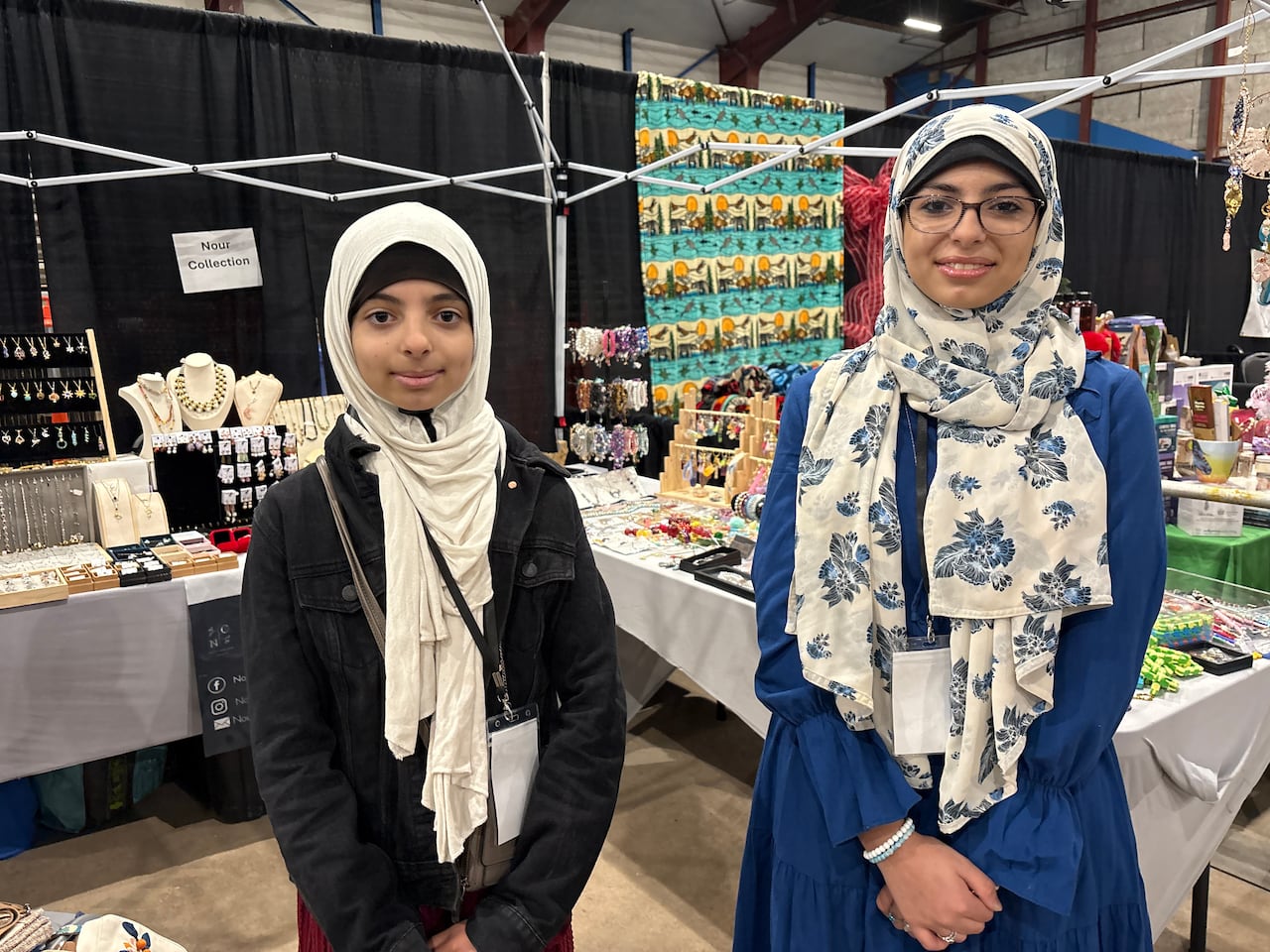
Raneem Hammam, left, and Razan Hammam make jewelry using stones. (Ian Curran/CBC)
Razan Hammam, who owns a small jewelry business, said she’s had to use some cheaper spacer beads to keep cost low, but that change compromises her product’s quality.
“It makes me feel sad because I like people getting our stuff, and liking them, and them looking good,” said Hammam. “So when we have to do that, it’s not that good.”
Oromocto woodcarver Gary Crosby said he’s stopped shipping his products to the United States due to tariff-related issues.
“It’s just too much paperwork and there’s too much confusion at the border, it may never get to the customer,” he said.

Woodcarver Gary Crosby says he began exploring other markets more when the United States imposed tariffs on his products. (Ian Curran/CBC)
He’s already found other markets to cover his lost businesses, he said.
“I would love to go back to the States and send it back to our customers there, but unfortunately … until this is over, it is what it is.”