Chris Pond, leader of Loughton Residents’ Association, the second-largest group on the authority, said: “I think when you are engaging leading counsel, you are obviously talking about a big bill. It was the only option they had at the time.”
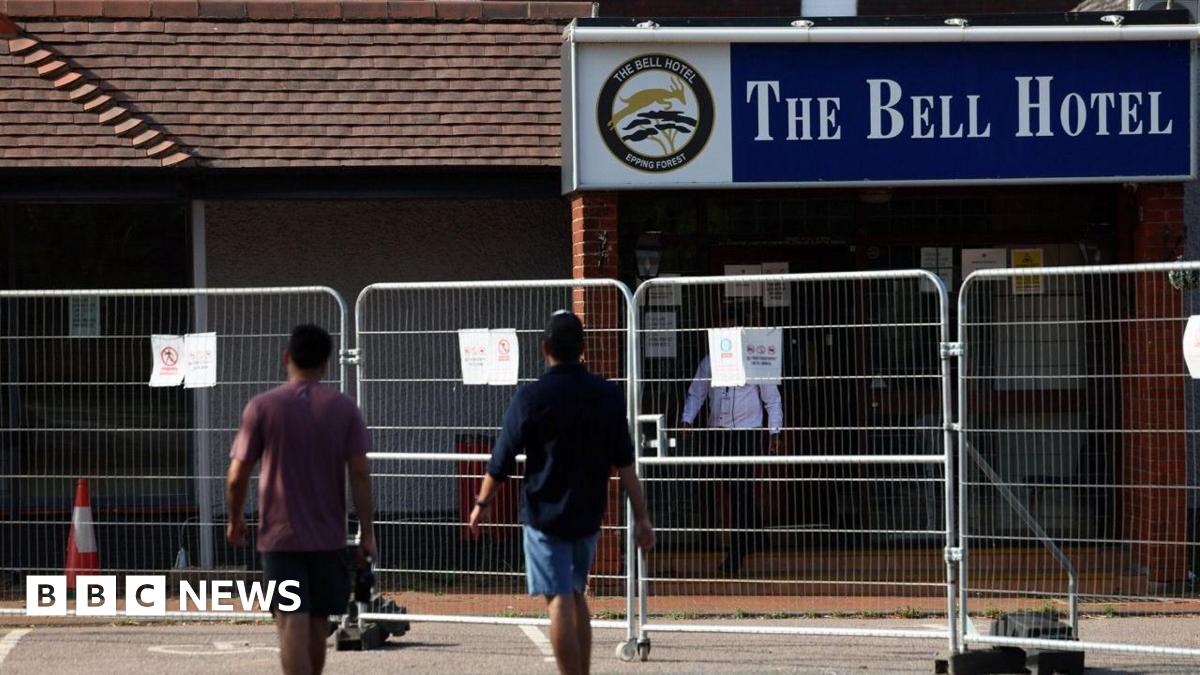
The hotel, in High Road, became a focal point for protests and counter-protests over the summer after an asylum seeker living there was arrested – and later convicted and deported – for the sexual assaults of a teenage girl and a woman.
Councillors met privately last month and most decided to continue taking High Court action.
The Liberal Democrats were opposed, however, and group leader Jon Whitehouse argued: “The legal costs will be even higher now following the council’s decision in November to spend more time and money in the courts.
“Residents have gained nothing from court action so far.”
But Pond countered: “I don’t think the extra costs will be that significant. Most of them have already been incurred. I think we have got to pursue it. And I think the local residents would support that”.
The council has applied to the Court of Appeal to challenge the judgement last month that an injunction was “not an appropriate means of enforcing planning control”.
The authority is waiting to hear if the appeal will be successful.