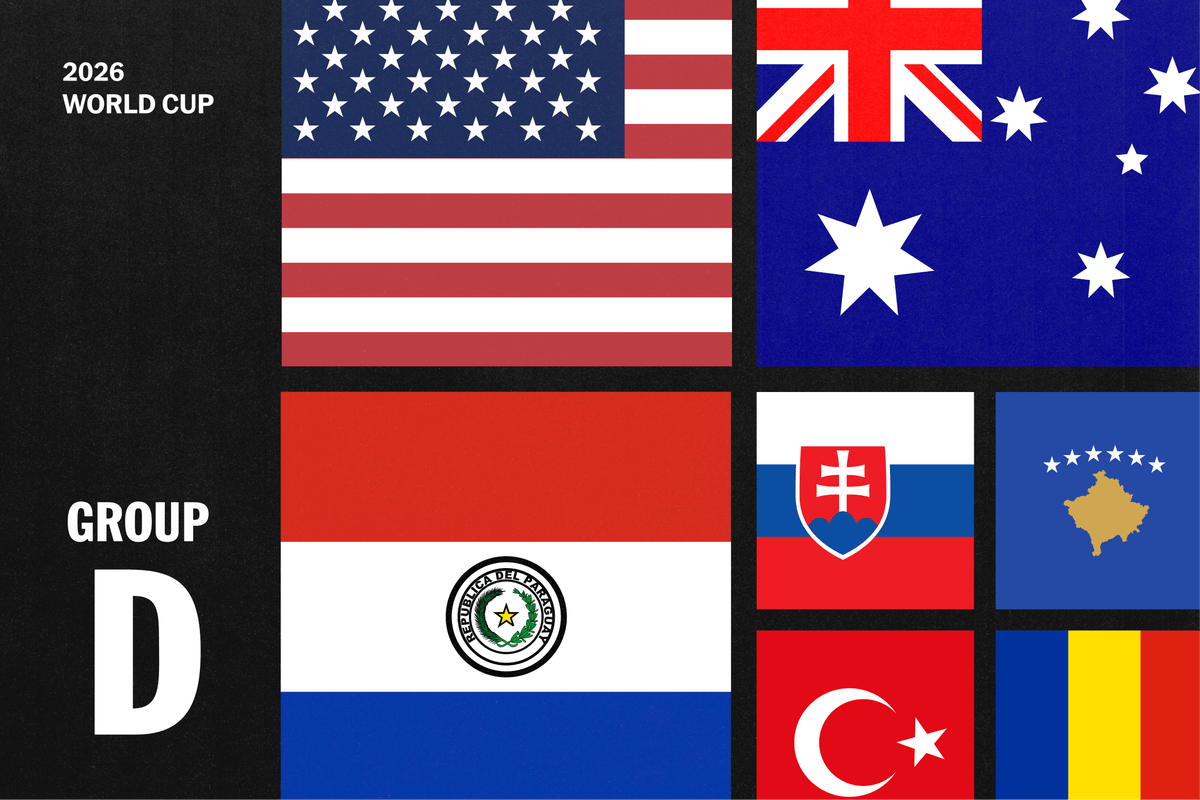
The World Cup draw is complete and the United States, Australia, Paraguay and one of Slovakia, Kosovo, Turkey and Romania have been drawn together in Group D.
How did the teams qualify? How do the different countries play? And who are the key protagonists in the group?
Games in: Los Angeles, Santa Clara, Calif., Seattle, Vancouver, Canada
The schedule: Games, venues, dates and kick-off times
Matchday 1
Friday, June 12: USA vs Paraguay (9pm ET, 6pm PT, 2am BST) — SoFi Stadium, Los Angeles
Saturday, June 13: Australia vs TBC (12am ET, 9pm PT, 5am BST) —BC Place, Vancouver
Matchday 2
Friday, June 19: TBC vs Paraguary Brazil vs Haiti (12am ET, 9pm PT, 5am BST) — Levi’s Stadium, San Francisco Bay Area
Friday, June 19: USA vs Australia (3pm ET, 12pm PT, 8pm BST) — Lumen Field, Seattle
Matchday 3
Thursday, June 25: TBC vs USA (10pm ET, 7pm PT, 3am BST) — SoFi Stadium, Los Angeles
Thursday, June 25: Paraguay vs Australia (10pm ET, 7pm PT, 3am BST) — Levi’s Stadium, San Francisco Bay Area
USMNT
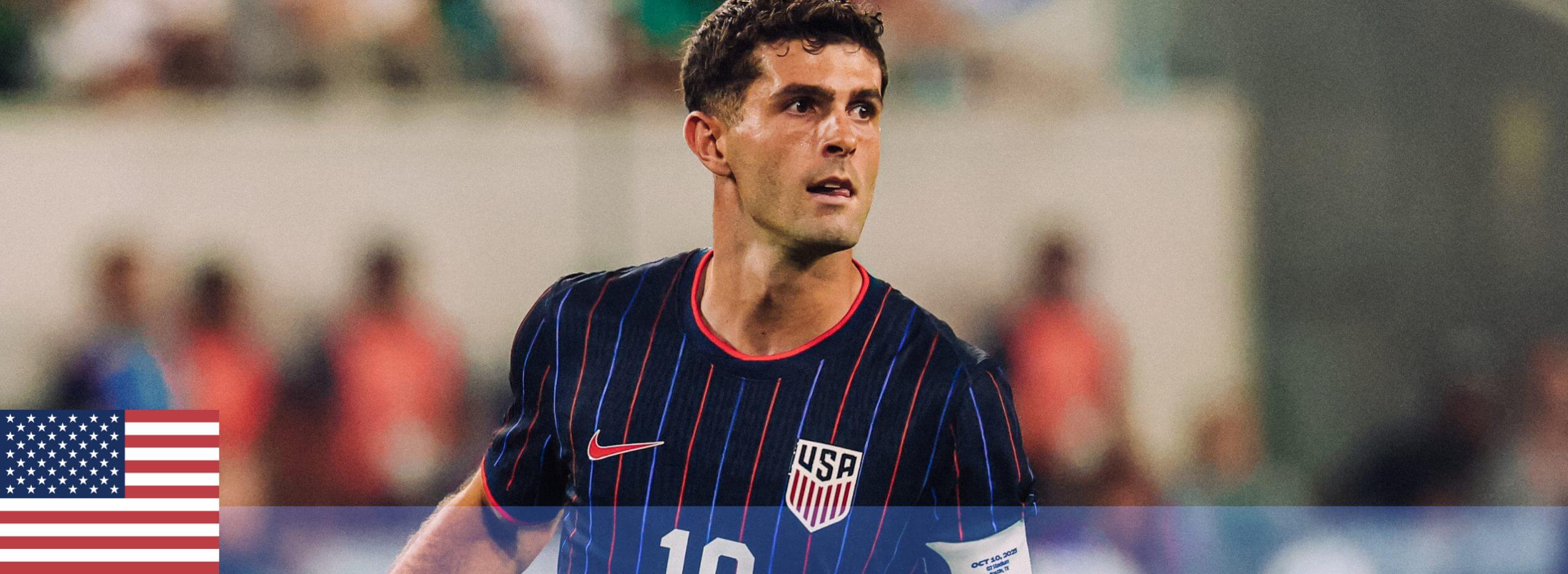
(David Buono/Icon Sportswire via Getty Images)
How did they qualify?
After failing to qualify for the 2018 tournament, a young group got the U.S. back to the World Cup in 2022 in Qatar. There was no jeopardy during this cycle for the team, however, as the U.S. qualified automatically for the tournament as co-hosts.
What is their World Cup pedigree?
The U.S. ended their streak of qualifying for every tournament since 1990 when they missed out on the 2018 tournament. The country’s best showing in modern times was a run to the quarter-finals in 2002 in South Korea and Japan, before falling 1-0 to eventual runners-up Germany.
The Americans have advanced past the group stage in four of the six tournaments in which they have competed since 1994. That includes 2022, where the core that still makes up this team finished second in the group behind England, but lost to the Netherlands in the round of 16.
Who is the coach?
Mauricio Pochettino established himself as one of the top coaches at club level with successful stints at Espanyol, Southampton, Tottenham Hotspur, Paris Saint-Germain and Chelsea. Now, he is testing himself on the international stage. It was considered a coup for U.S. Soccer when it hired the Argentine in September 2024. It was a bumpy first year under Pochettino, who said he saw it necessary to remake the culture of the program, but his hire signaled both the ambition and expectation around the U.S. team as it hosts the tournament for the first time in 32 years.
How do they play?
The U.S. are still figuring themselves out under Pochettino, but in the past few months, they have settled on a system that will use three centre-backs and rely on flexibility out of that formation to test opponents. The U.S. can defend out of a four or five-man back line depending on need. On the attacking end, the formation highlights the strengths of the outside backs in the pool, including Antonee Robinson and Sergino Dest, who like to bomb forward, while leaving some flexibility in midfield to match up with opponents.
Who is their key player?
Christian Pulisic. As much as we can talk about the emergence of Folarin Balogun at the No 9, or how Robinson and Dest create overloads on the wings, or how critical Tyler Adams is patrolling the midfield, the U.S. are at their best when the Milan attacker is running the show. Pulisic is a big-game player — his goal against Iran to send the U.S. through to the knockouts in 2022 is a good example — and whether attacking from the wing or as a No 10, Pochettino’s job is to ensure Pulisic can change games for the U.S..
What else should we know about them?
This will likely be the first U.S. World Cup team since MLS was founded in 1996 to have an MLS-based goalkeeper start a game — but, less than a year out, it is not clear-cut who the No 1 will be. The goalkeepers since 1998: Kasey Keller (Leicester City and Borussia Monchengladbach), Brad Friedel (Blackburn Rovers), Tim Howard (Everton) and Matt Turner (Arsenal). Turner had only just moved to Arsenal ahead of Qatar, but he is now back in MLS with New England and fighting for the starting spot against Matt Freese (NYCFC), Patrick Schulte (Columbus Crew), and other MLS-based keepers.
Paul Tenorio
Paraguay
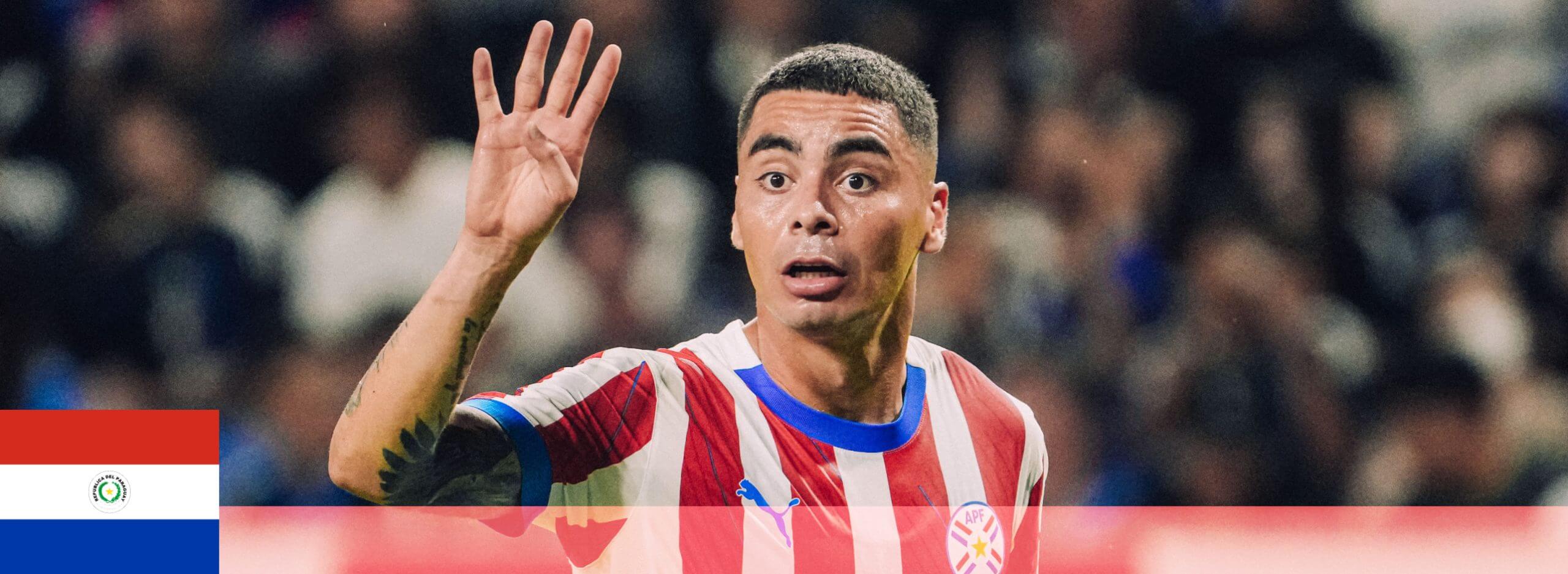
(Masashi Hara/Getty Images)
How did they qualify?
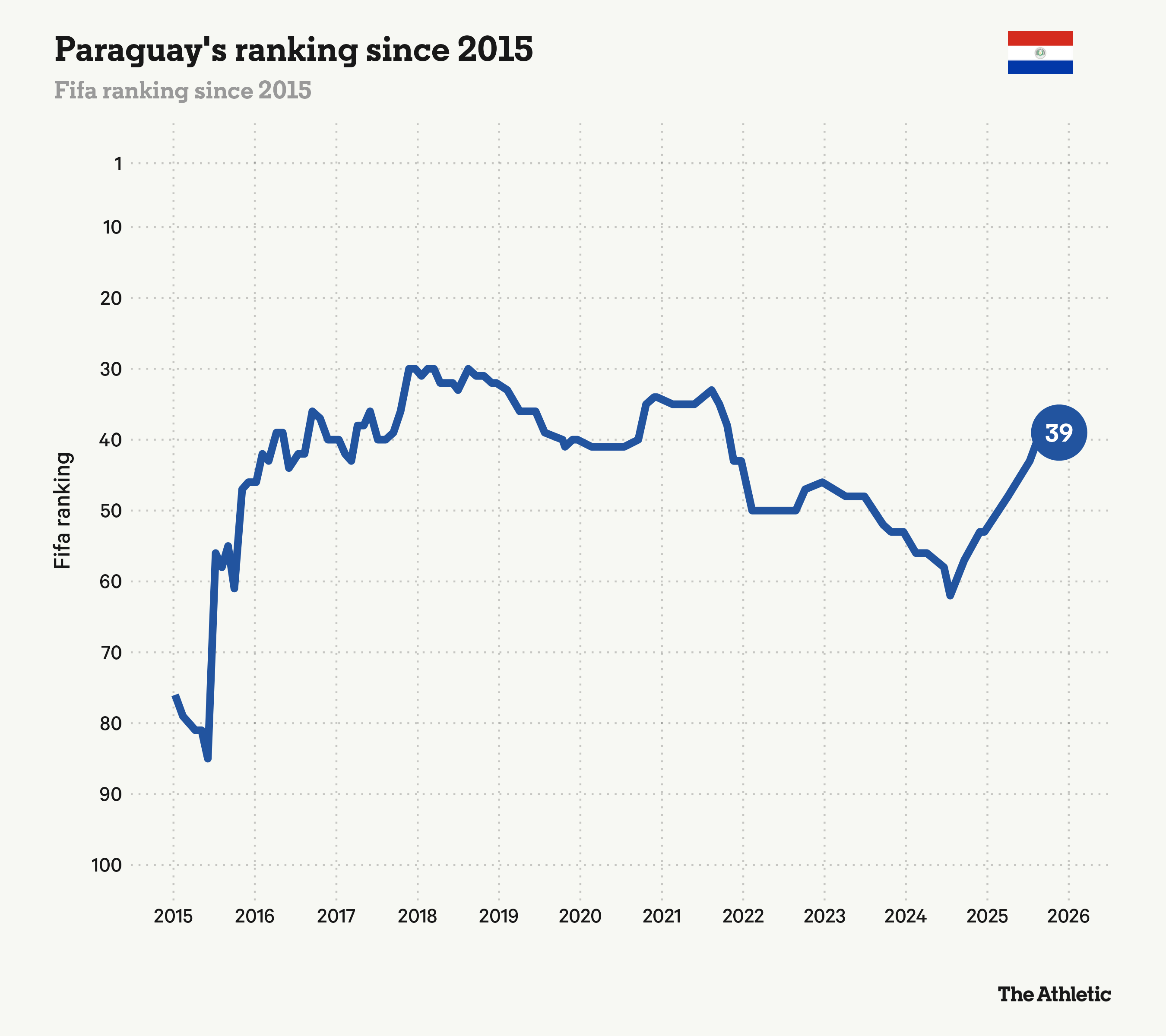
Pretty comfortably in the end, eight points clear of Bolivia who finished in the play-off spot, and level on points with Brazil, Ecuador and Colombia on 28 points from 18 games. Only Ecuador conceded fewer goals in South American qualifying, an indication of their defensive organisation and grit.
What is their World Cup pedigree?
This will be Paraguay’s ninth appearance at the World Cup after a long 16 years away. That was their best run in the tournament, reaching the quarter-finals, where they were narrowly beaten by eventual champions Spain in 2010.
They were one of the 13 teams to compete in the first World Cup in 1930, and will host a game at the 2030 edition in celebration of the tournament’s centenary.
Who is the coach?
Gustavo Alfaro, a new national hero.
The 63-year-old was in the dugout for Ecuador at the last World Cup, but he has since taken over at Paraguay after they crashed out of the Copa America in 2024, failing to pick up a single point in the competition for the first time in 99 years. The turnaround under the new boss has been remarkable, winning 24 points from a possible 36 in World Cup qualifying, with just one competitive defeat, a narrow 1-0 loss to Brazil, to his name.
Alfaro went viral in Paraguay earlier this year after cameras captured a greengrocer approaching him and breaking down in tears at a supermarket in Asuncion. “Thank you for giving us another chance to go to the World Cup,” he said. Alfaro recalled the incident at a press conference, and invited the fan to their 1-0 win over Chile the following month.
How do they play?
Paraguay already had a reputation as one of the stingier South American sides, but since Alfaro took over in August 2024, they have kept seven clean sheets and conceded just seven goals in 12 competitive games. Famous home wins over world champions Argentina and Brazil, averaging just 23 and 29 per cent of the ball in each, showed them at their stubborn best.
The team is anchored on towering centre-backs; Gustavo Gomez is the long-standing captain of Brazilian giants Palmeiras, while Omar Alderete has impressed since joining Premier League side Sunderland. The midfield is packed with tough-tacklers and willing runners, while there are flashes of excitement out on the wings, with the rapid Ramon Sosa and the ever-inventive Julio Enciso looking to provide the inspiration on the break.
Who is their key player?
Defensive pillars aside, Enciso is that one player who possesses the ability and drive in attack to win games by himself. He took 14 shots and created six chances in just three games during their dismal Copa America 2024 showing, playing an active part in almost half of Paraguay’s attempts on goal.
Fizzing with energy, the 21-year-old can overdo it at times; former national team coach Daniel Garnero told Enciso that he does not always need to “save” the team or “take charge of every moment” after a 4-1 defeat by Brazil in that same tournament. That said, he is able to strike the ball magnificently from distance — winning the Premier League goal of the season award in 2022-23 — and remains the most likely to blow a cagey contest apart.
What else should we know about them?
Some familiar names are still plying their trade in domestic football. Remarkably, 44-year-old Roque Santa Cruz is still scoring goals for capital side Club Libertad, alongside Oscar Cardozo, now 42, who played for the national side as recently as November 2023.
Neither are likely to receive the call for the World Cup, but Newcastle United fans will be glad to hear that Miguel Almiron has featured in 11 of Paraguay’s last 12 competitive games.
Look out, too, for promising midfielder Diego Gomez, who scored four sensational goals for Brighton & Hove Albion in a League Cup tie at Barnsley this season.
Thom Harris
Australia
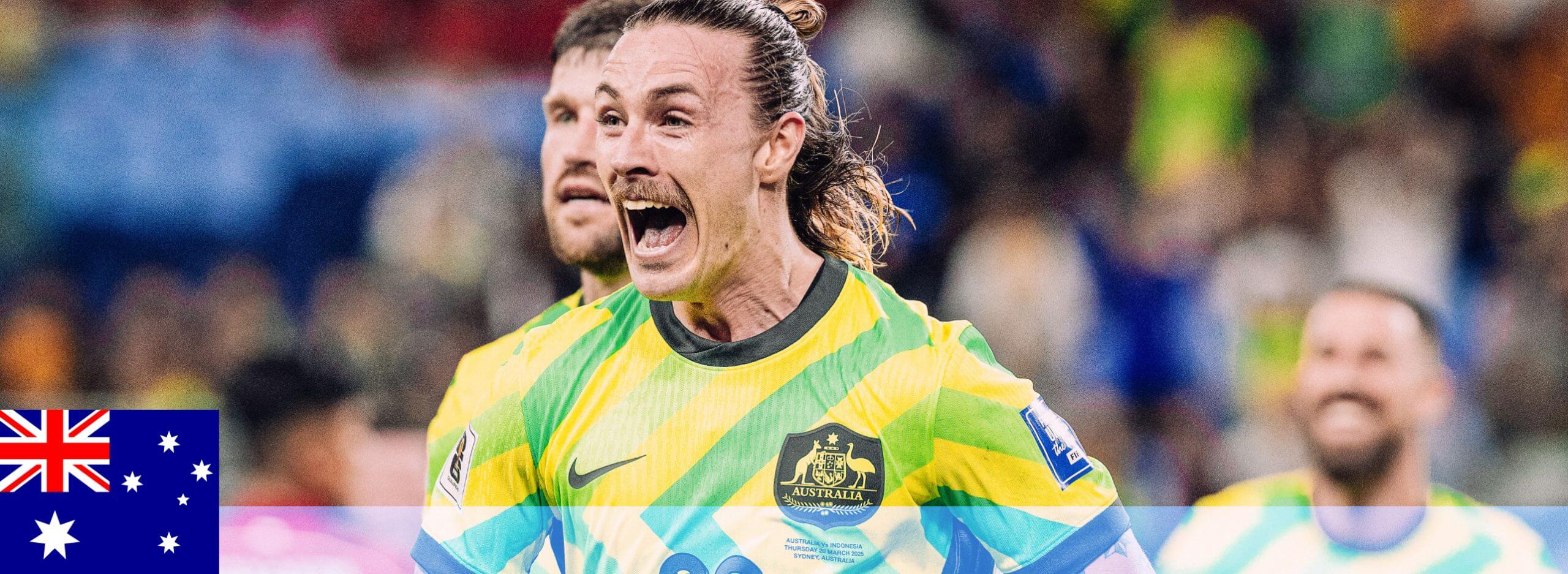
(Steve Christo/Getty Images)
How did they qualify?
Entering straight into the second round of the Asian Football Confederation (AFC) qualification, Australia won all six matches — but then started the decisive third stage with a 1-0 defeat at home against Bahrain and a 0-0 draw in Indonesia. Those failures led to Graham Arnold’s resignation as head coach and Tony Popovic’s appointment. Australia then earned four points against Japan before beating Saudi Arabia 2-1 to secure the second automatic qualification spot in Group C.
What is their World Cup pedigree?
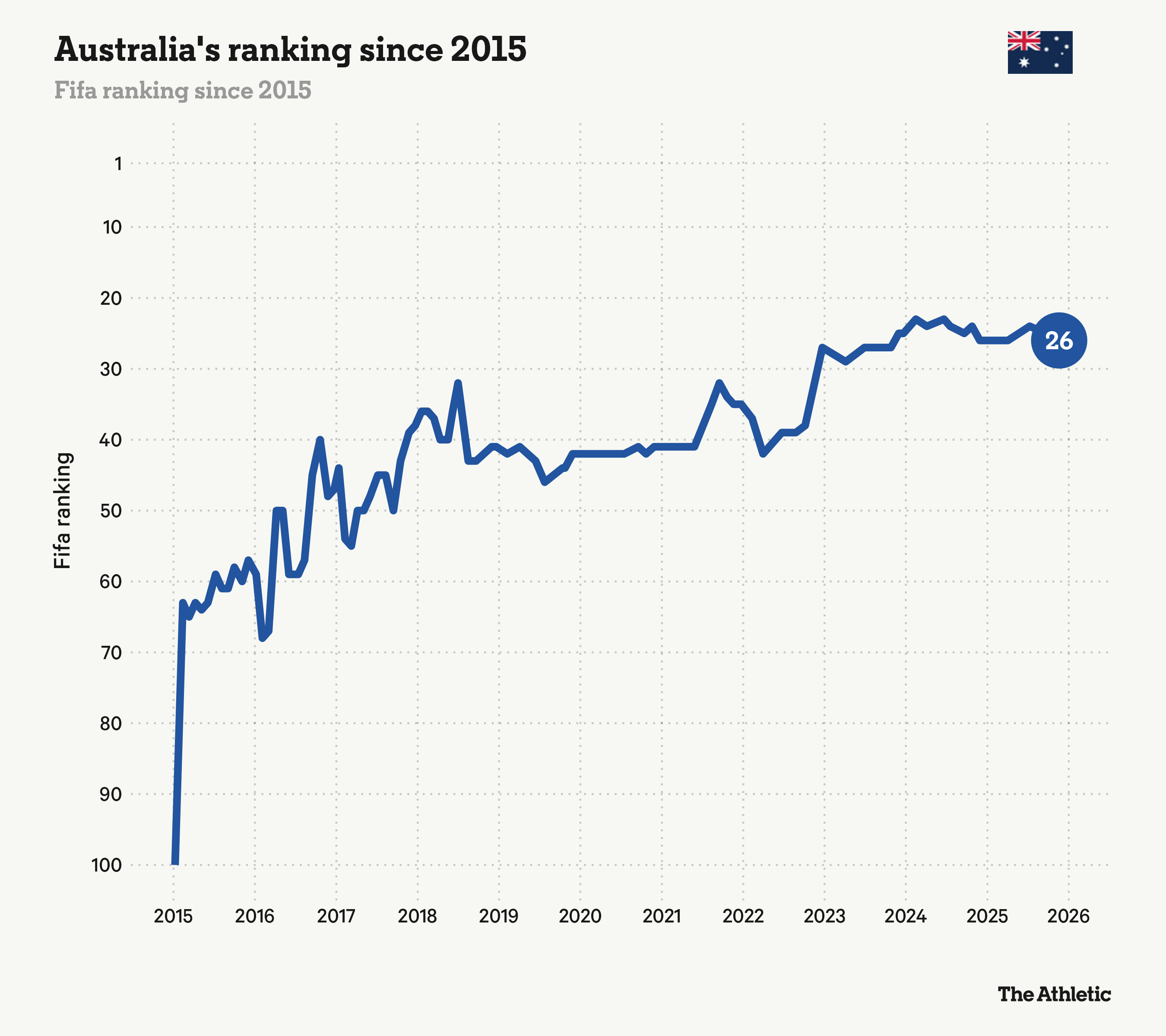
This will be Australia’s seventh World Cup and sixth consecutive appearance. The last five have come since Football Australia switched from the Oceania Football Confederation (OFC) the AFC in 2006, a move partially made to help Australia avoid a qualification path usually ended by a final play-off against South American opposition. It also ensured a higher standard of regular competition between World Cups. Australia have won four of their 20 finals matches, advancing to the round of 16 twice (2006 and 2022). In Germany, they lost 1-0 to 10-man Italy after a Francesco Totti penalty in stoppage time, and 16 years later in Qatar, it was a plucky 2-1 defeat against eventual winners Argentina.
Who is the coach?
Popovic has been in the hot seat since September 2024 and it has been going well. The former centre-back’s playing career was notable for the five years he spent at Crystal Palace, where he became club captain before departing for Qatari side Al-Arabi in 2006. He earned 58 caps for Australia, scoring eight goals, including one in a 3-1 friendly win over England at Upton Park in 2003. His managerial career has included short spells in Greece and Turkey, but Popovic has primarily operated in Australia’s A-League, where he led Western Sydney Wanderers and Perth Glory to their sole titles. Popovic has been integral to Australia’s improvement.
How do they play?
There was a sense of adventure from Australia in Qatar under Arnold, with a 4-3-3 formation that committed players forward and wide, and sought to feed Mitchell Duke at every opportunity. Arnold was sure Australia could win the 2023 Asian Cup, but an extra-time defeat against South Korea in the quarter-finals was devastating. Arnold resigned not long after, saying the team needed a fresh voice.
That voice exudes pragmatism. Australia love a low block under Popovic and while results have improved, the disjointed nature of ball progression through a 3-4-2-1 formation often made performances uninspiring. Since qualification was secured, Popovic has opted for a 5-4-1 that has looked even more passive, but there has been better fluidity on the counter, too, showing clear development in play and an awareness of what they could face come the summer.
Who is their key player?
It has been an injury-hit run for Jackson Irvine, but the St Pauli captain remains crucial to Australia’s midfield and he is missed when he does not figure. That has been the case in recent months after foot surgery. He is a de facto leader of the group off the pitch, as he illustrated by being one of few players to question Qatar’s record on LGBTQI+ rights before the 2022 World Cup. Feyenoord’s Jordan Bos, 22, is among the talented young players to catch the eye.
What else should we know about them?
No surprises the Australia men’s team — known as the Socceroos — have a rivalry with New Zealand. There is also a bit of edge when they face Japan, arising since Australia joined them in the AFC. But how about their friction with Uruguay? It stems from 1974, when the countries met for friendly matches in Melbourne and Sydney to prepare for that summer’s World Cup, Australia’s first appearance in the finals. Physicality, punches and threats of abandonment from the referee set the tone, while the effects of what Australian coach Rale Rasic called “a karate chop” from Uruguay’s Luis Garisto later left Ray Baartz unconscious in hospital for two days and forced to retire from football. Subsequent meetings have been more respectful, thankfully.
Michael Bailey
Turkey/Romania/Slovakia/Kosovo
Turkey vs Romania and Slovakia vs Kosovo, with the two winners meeting in the final (Slovakia or Kosovo will be the home team)
If you’re just judging this path on the quality of players involved, Turkey should take it at a canter.
With the talents of Arda Guler, Kenan Yildiz, Can Uzun, Hakan Calhanoglu, Baris Alper Yilmaz and Kerem Akturkoglu, among others, it is a bit of a shame we cannot already definitely count on their presence at the World Cup. They finished second behind Spain in their qualifying group, and had they been drawn with someone other than the reigning European champions, they might already be booking flights across the Atlantic.
It would be a surprise if any of the other three teams in Path C tripped them up.
Romania finished third in their qualifying group, ahead of only Cyprus and San Marino, and are at this stage thanks to their results in League C (its third tier) of the Nations League. Slovakia are stronger, having performed pretty well in qualifying and had the misfortune to be in Germany’s group, and while the idea of Kosovo making it to the World Cup is very romantic, they will struggle to get past Slovakia and, unless Romania spring a surprise, Turkey.
Nick Miller