With data centers expanding rapidly across the United States to power cloud computing and artificial intelligence, utilities and grid operators are scrambling to keep pace.
Renewable energy like solar and wind is the fastest, cleanest, and least expensive option available to help meet this unprecedented load growth, but in some cases project logistics mean that data centers are powered initially by natural gas or by natural gas that is coupled with renewables built elsewhere—sometimes hundreds of miles away. In either case, massive amounts of natural gas are being burned to power these data center projects—and very little attention is being paid to where that gas is coming from.
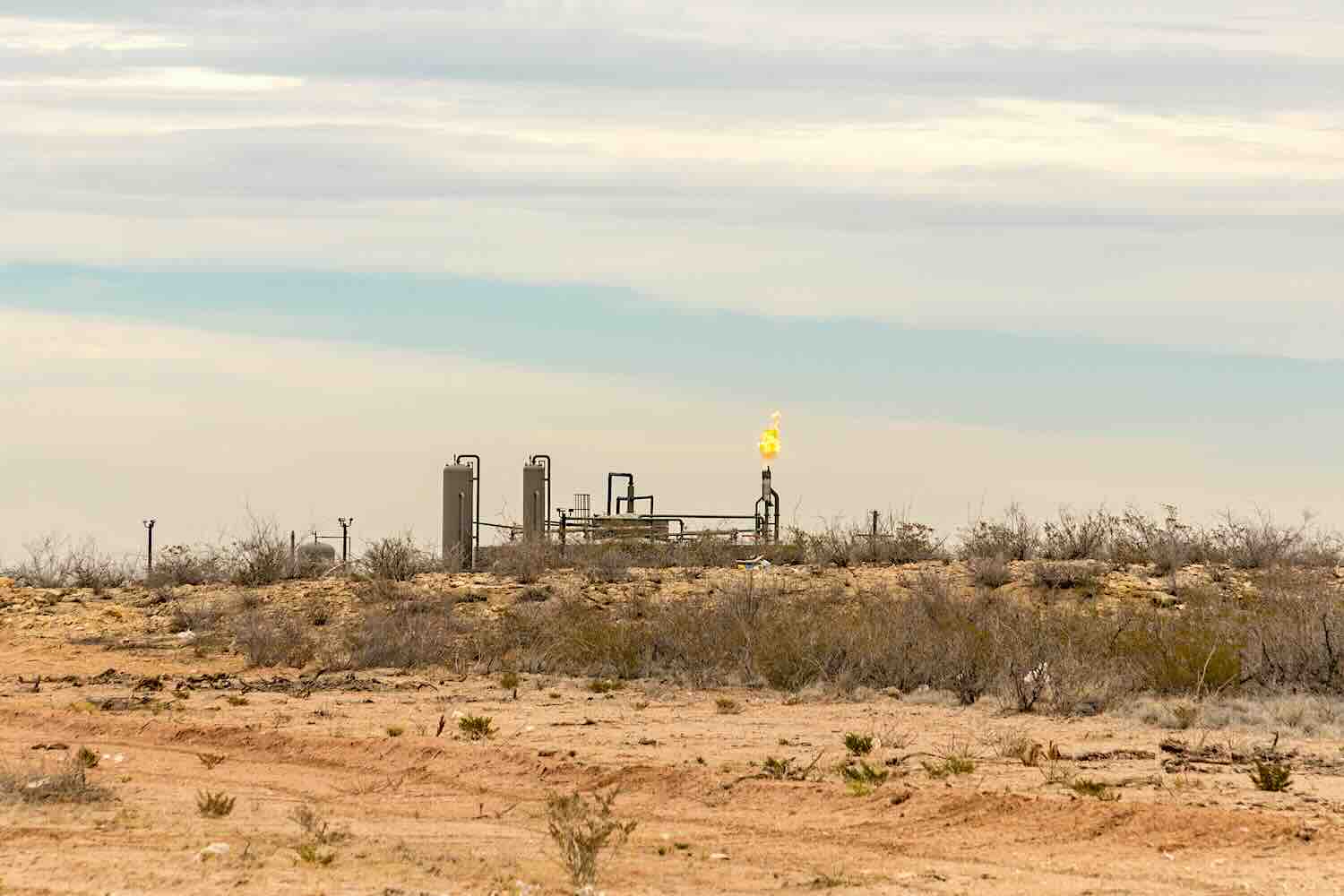
This is a massive blind spot, since the carbon footprint of natural gas can vary enormously. Methane emissions from natural gas in particular can vary by a factor of 60 times between industry leaders and laggards, according to an annual report based on EPA data compiled by Ceres. Methane is more than 80 times more potent than carbon dioxide over 20 years, so even minor leaks can erase the advantage that natural gas claims over other fossil fuels.
Giant AI hyperscalers that don’t take methane into account are missing a massive opportunity to drive down emissions, not just for their projects but across the entire oil and gas industry, by providing a positive incentive for companies to take methane seriously. If the industry wants gas to continue to have long-term value in the economy, it must address and mitigate its methane emissions.
Take, for example, Meta’s massive data center project in Louisiana. While on paper the project aspires to carbon neutrality, three new massive natural gas-fired turbines will power the data center directly, supplying electricity equivalent to twice the peak energy needs of the entire city of New Orleans and significant associated methane emissions tracing back to the well pad where the gas originated. While Meta has pledged to build solar elsewhere in the state to offset these emissions, the company hasn’t taken any meaningful steps to proactively source lower emissions natural gas.
There are two ways oil and gas companies can be responsible partners in the power mix—defend the US Environmental Protection Agency’s Greenhouse Gas Reporting Program, or GHGRP, and support the implementation of the European Union’s Methane Emissions Regulation.
Competitive advantage
For more than 15 years, the GHGRP has provided standardized, high-quality data that US businesses rely on to increase efficiency, manage supply chains, reduce risks, attract investment, drive innovation and affordability, and compete globally. The GHGRP has helped large facilities across many industries—including oil and gas companies— track and report their pollution that impacts climate change.
As the most robust and transparent methane reporting framework in the country, investors and companies rely on the GHGRP to make informed financial decisions and drive innovation. And they’ve made it clear they want to see this program continue. In comments to the EPA, industry groups like the US Chamber of Commerce, the American Petroleum Institute, and the National Association of Manufacturers warned that weakening the program would complicate their ability to attract investment and disrupt market stability.
The EU’s Methane Emissions Regulation establishes a consistent set of methane monitoring and reporting requirements for natural gas imported into Europe. For exporters, this is not optional. Europe remains one of the world’s largest purchasers of liquified natural gas, and its policy direction influences global gas markets. Companies unwilling to adopt these standards risk losing access to a critical market and losing competitive advantage on methane management.
Both of these measures are critical to the credibility of natural gas in economies that are increasingly scrutinizing emissions intensity. Those who invest in the oil and gas industry already understand this.
Global asset managers, asset owners, and other long-term shareholders have voiced overwhelming support for the Regulation, recognizing that transparent monitoring, reporting, and verification are essential to reducing financial risk resulting from near-term global warming. Investors know that companies with strong methane practices in place are better equipped to manage risk, adapt to regulatory change, and safeguard long-term shareholder value.
Some US oil and gas producers have made progress in reducing methane emissions across their own operations—investing in leak detection technologies and retiring high-polluting infrastructure and equipment. But methane management is not just a company-by-company issue. It is a system-wide challenge that requires comprehensive regulation across the entire industry.
Only by maintaining—and strengthening—industry-wide standards can this challenge be solved.
Fighting back
The EPA under the current administration recently introduced proposals that would remove 46 of the 47 industry sources required to provide data in the GHG Reporting Program. This would essentially eliminate the program, undermining the very foundation of transparency that the market depends on. Rolling it back would expose the market to more risk and undercut investors’ fiduciary duty to safeguard retirement funds and pensions for their clients.
And the world is moving toward stronger methane regulation—regardless of temporary shifts in US politics. Methane intensity is being factored into procurement and capital allocation decisions. Relaxing US methane regulations will not protect our domestic oil and gas sector: it will leave American companies less competitive in a transitioning global market.
Supporting robust methane reporting frameworks both at home and abroad would ensure they maintain this competitive edge. Investors have not—and should not—be shy about reinforcing this message. Introducing shareholder resolutions, updating engagement priorities, and backing multi-stakeholder initiatives will continue to drive this home.
If the industry does not address methane emissions, climate risk will continue to be a dominant financial concern and producers who have not taken the meaningful and necessary steps will be sidelined by producers that lead in providing the lower risk solutions investors and companies demand.
_________________________________________________________________________________________
Andrew Logan is the senior director of the oil and gas program at Ceres, a nonprofit advocacy organization working to accelerate the transition to a cleaner, more just, and resilient economy.