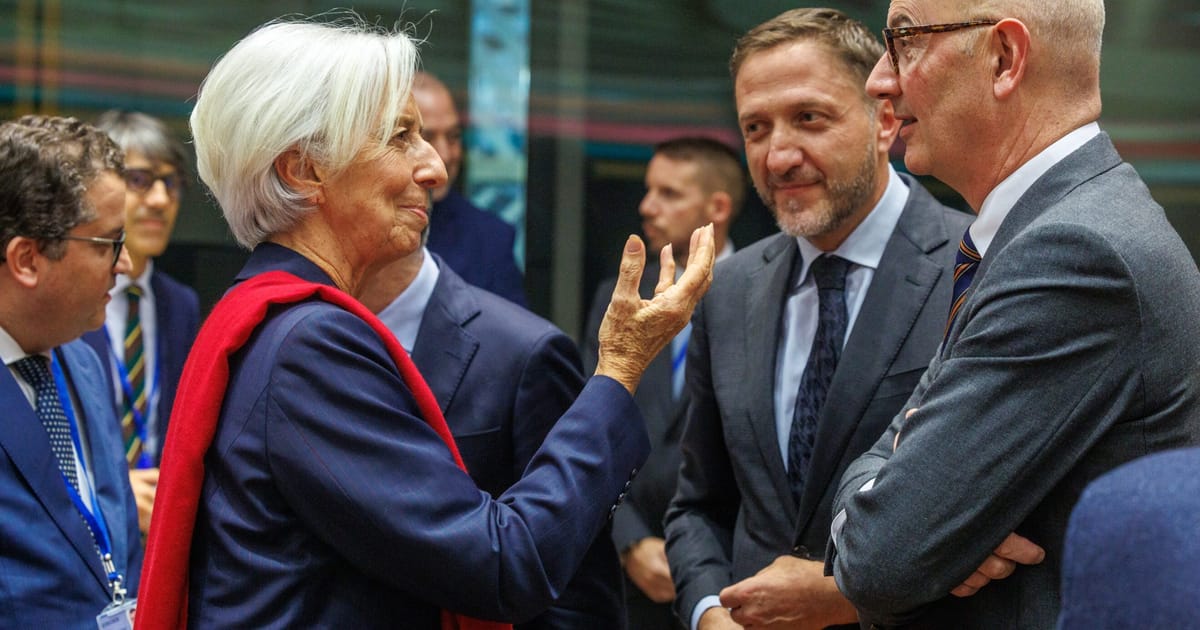
While she has no formal powers over the appointments, Lagarde said she has battled for change. “When there is a vacancy, I can raise my voice. I can pick up the phone. I can impress upon them that it’s a bit ridiculous to have out of 25 members only two women,” she told the New York Times in 2020.
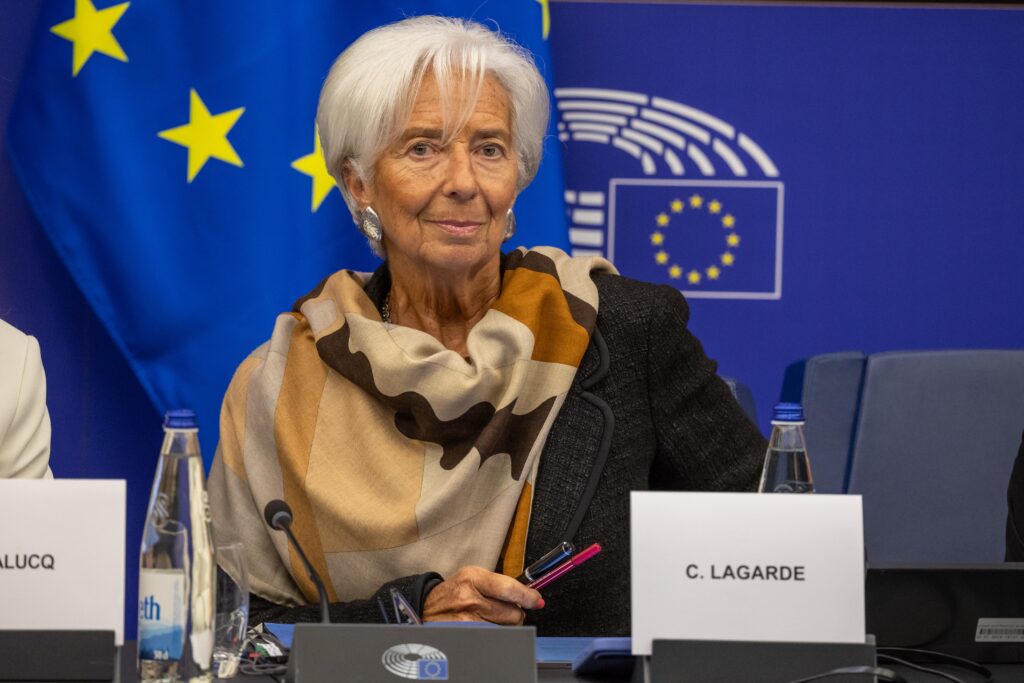 The current list of rumored candidates for Cristina Lagarde’s job, however, doesn’t include a single woman. | Christophe Petit Tesson/EPA
But so far those on the other end of the line have failed to step up. Eight eurozone countries have had the chance to appoint a woman to their governorships over the last 18 months; none has taken it.
It doesn’t help that progress at lower levels of management, which would build up a strong pipeline of qualified women, has remained slow.
The number of female deputy governors at the eurozone’s national central banks has risen to 14 out of 34, but few are entrusted with key monetary policy responsibilities. When Bank of Finland Governor Olli Rehn took a leave of absence in 2023, his female deputy Marja Nykänen was named acting governor, but it was his male board member Tuomas Välimäki that got to attend Governing Council meetings. At last year’s meeting only between two and five women were among the 20 accompanying persons sitting in on policy meetings.
Still, there are several women who appear well-suited to the board seats that will soon become vacant. The Bank of Greece’s Christina Papaconstantinou is seen as a serious contender for the vice-presidency, although her experience in monetary policy is limited. Her chances, inevitably, also depend on whether Greece’s Finance Minister Kyriakos Pierrakakis will secure the Eurogroup presidency. That post will be decided just hours before the ECB race begins.
Another rumored candidate for the vice-presidency was the Bank of Portugal’s Clara Raposo. However, her ambitions were thwarted by her former boss Mário Centeno, who put his name forward before the Portuguese government could make up its mind.