Next year, it will be incredibly more expensive for foreign residents to visit American national parks.
That includes Canadians, some of whom have already been boycotting travel to the U.S. in droves.
According to an announcement from the Department of the Interior, starting on Jan. 1, national parks will be subject to what it calls “American-first entry fee policies.”
The fee for foreigners to purchase an annual park pass, which allows entry into all national parks across the United States, will increase from $80 US to $250. Fees for American citizens and permanent residents will remain at $80.
In addition, there will be a $100 surcharge for each foreigner aged 16 and older, per visit, at top national parks, which includes Acadia National Park near Bar Harbor, Me., just a 175-kilometer drive southwest of the New Brunswick border in St. Stephen.

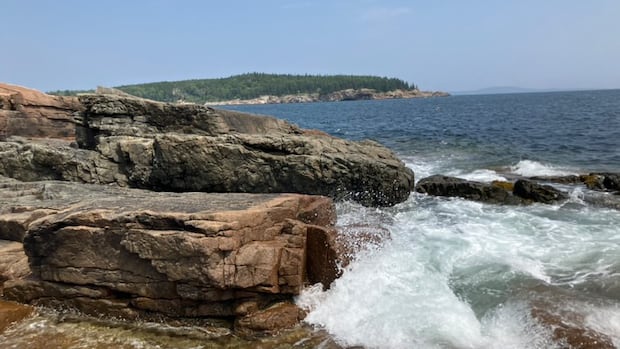
Canadians among those who will pay steep rates to get into U.S. national parks next year, including Acadia National Park in Maine.
The pass covers entry for the holder plus up to three adults. Children get in for free.
If a Canadian family of four with two older teenage kids were to purchase a pass and visit Acadia next year, that comes to about $900 Cdn to get into the park before gas, accommodations and food are even factored in.
“U.S. residents will continue to enjoy affordable pricing, while nonresidents will pay a higher rate to help support the care and maintenance of America’s parks,” a news release from the department said.
Free entry at Canadian national parks
By contrast, all national parks in Canada were free to access for everyone last summer, and will also be free for the coming 2026 season, according to the Parks Canada website.
The fact that Maine’s only national park, Acadia, is subject to the fee increases comes as the state’s Democratic Gov. Janet Mills has made efforts to bring back Canadian visitors. She had signs put up along the New Brunswick border welcoming Canadians, and even visited the province as well as Nova Scotia last summer.
Spokespeople for both Mills and the Maine Tourism Association did not respond to several interview requests from CBC News.
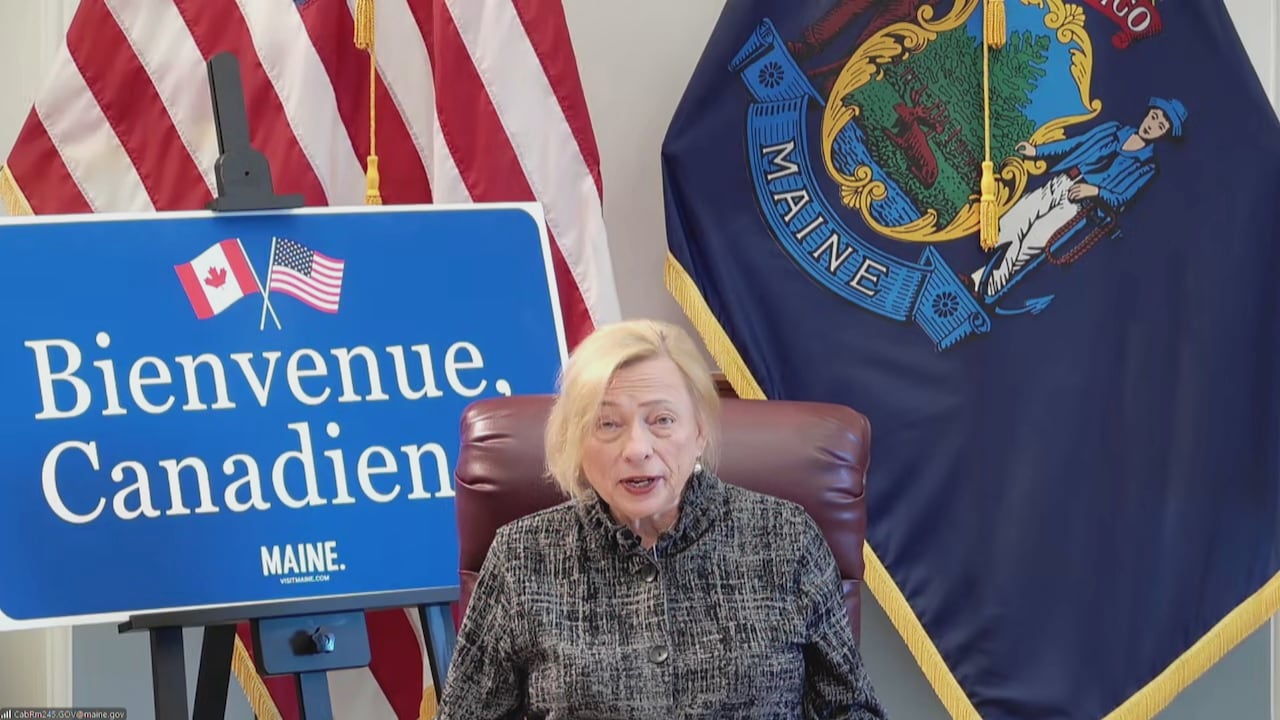
Gov. Janet Mills says Maine wants to repair the damage done by U.S. President Donald Trump’s rhetoric and tariffs to the state’s relationship with Canadians. (CBC)
Statistics from the U.S. show that Canadian visits to the U.S. are down dramatically.
Overall, between February and October, the number of return trips by Canadians to the U.S. declined by 21 per cent for air travel and by a staggering 33.5 per cent for land travel, according to Statistics Canada data provided to CBC News.
“It will add to the problem that the Americans have right now, which is trying to attract Canadian tourists,” said Lorn Sheehan, a tourism professor at Dalhousie University.
He said it is common for countries to use increased fees for national parks as a way to manage visitor numbers, especially if popularity begins to erode the natural environment or safety of a park.
“In this case when you charge a fee, basic economics dictates the higher you put that fee, the less demand you will get,” Sheehan said.
But in terms of the fee increases in the U.S., Sheehan said he sees it in more of a philosophical sense.
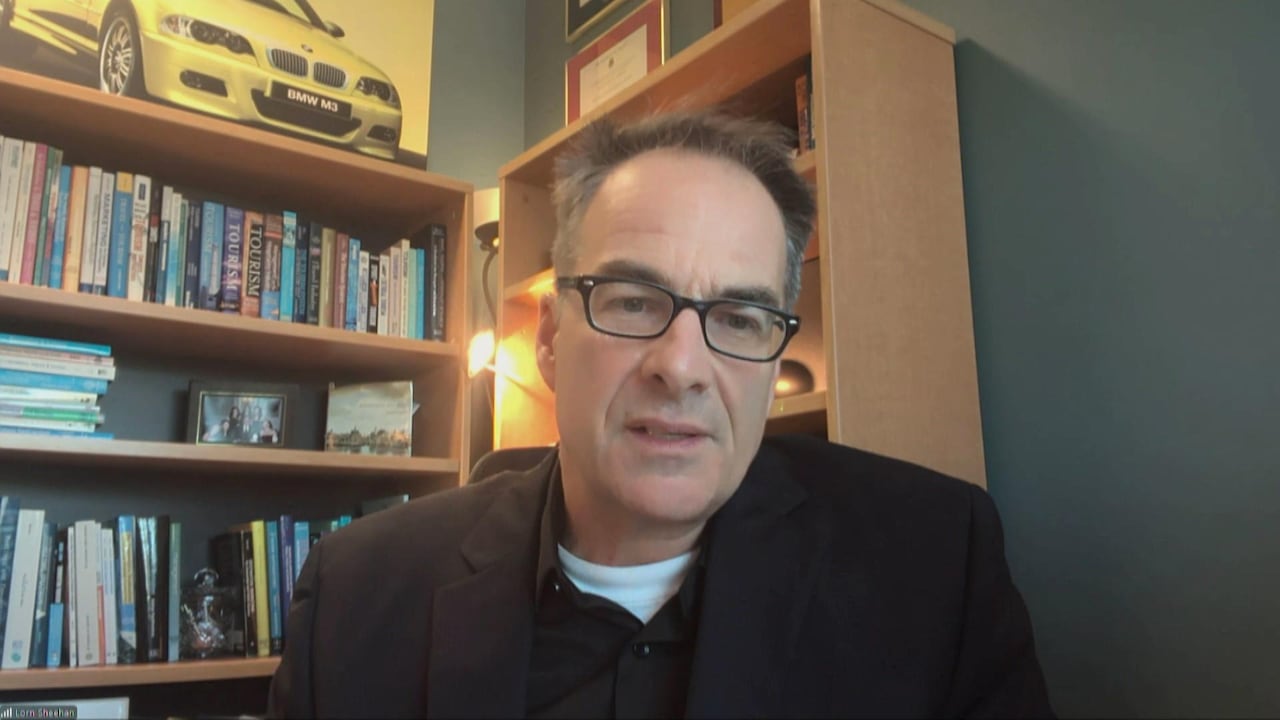
Tourism Prof. Lorn Sheehan said the fees might make Canadian family trips to Acadia a ‘non-starter’ next year. (CBC)
“I mean, if we look at this current administration, it’s very clear that their spin is that America has been taken advantage of and they want to move in a different direction,” Sheehan said.
“They’re saying that, ‘No, foreigners are going to pay for a bigger percentage of maintaining our National Park system.’”
On top of Canadians boycotting travel to the U.S. over President Donald Trump’s “51st state” comments, a weak exchange rate, and fears about hassle at the border, Sheehan said adding these park fees will make a trip to Acadia National Park “a non-starter” for some people.
Canada tourism up
And Canadians are the ones to benefit, Sheehan said, noting that visitor numbers for Canada are up as people from around the world, and Canadians themselves, are travelling in Canada more as U.S. tourism numbers fell in 2025.
A U.S. Travel Association report forecasts a 3.2 per cent decline in international tourism spending in the country for 2025, a loss of $5.7 billion US compared to the previous year.
Additionally, the fact that Canada’s Fundy National Park will again have free entrance next summer is “a brilliant strategy,” Sheehan said.
Sheehan said Americans and Canadians generally get along and Americans have a better deal visiting Canada these days.
“I feel that they want to spend their dollars here,” he said.
“They want to help Canadians, but at the same time they’re getting a great deal because they’re coming to Canada at a time when their dollar gets them $1.40 Cdn.”
Fee increase not ‘visitor friendly’
The park fees announcement from the federal government is not welcomed by the Chamber of Commerce in Bar Harbor, which is located right next to Acadia National Park.
Any fee increase, “especially targeted towards one group, unfortunately creates an environment that isn’t as visitor friendly,” said executive director Everal Eaton.

Bar Harbor Chamber of Commerce executive director Everal Eaton said his group opposes the fee increase. (Submitted by Everal Eaton)
This past season, Eaton said he heard from hotel and lodging groups that they noticed Canadian visitors were down. He said the chamber is speaking with the area’s legislators to see what can be done about the fee increase, but said the announcement was still too recent to comment further on what steps the chamber is taking.
Eaton said tourism is a strong industry in Bar Harbor because it’s been built up for years.
“And I think when we have things like this that come out, it degrades from that and it turns people away from visiting a part of the country.”
Bar Harbor “loves” their Canadian visitors, and Eaton expressed that the fee change was a federal stance and not a sentiment that reflects the local opinion.
“We enjoy our visitors, no matter where they are in the world.”
Fundy region sees 4.6% increase in visitor spending
CBC News requested an interview with Tourism Minister Isabelle Theriault or anyone from the department last week, but no one was made available.
Jess Hearn, a spokesperson for the New Brunswick Department of Tourism and Heritage wrote in an email statement that 2025 was a strong season, with an eight per cent increase in visitor spending compared to 2024.
CBC News asked what impact free entry to Fundy National Park had on tourism in the region last year. Hern wrote that the province’s preliminary data from the Fundy region shows a 4.6 per cent increase in visitor spending this year compared to last.
“New Brunswick is a destination for all seasons, and we look forward to another strong season in 2026 as we continue to welcome visitors to experience everything our province has to offer,” Hearn wrote.