09:56 GMT
 Katie Williams
Live reporter
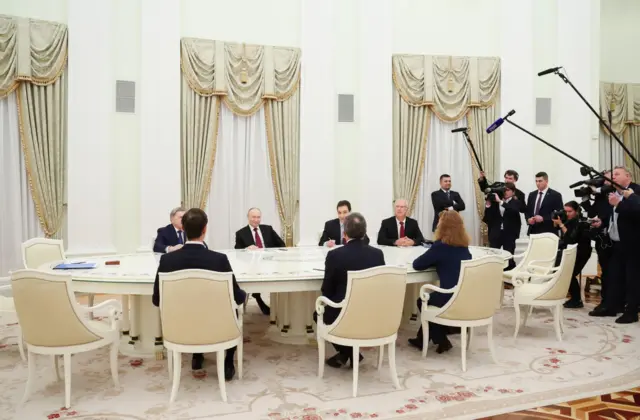 Image source, Alexander Kazakov/Sputnik/Kremlin Pool/EPA/Shutterstock
A lot of diplomacy has taken place in the weeks leading up to today’s meeting in London. Here’s a recap of how these most recent talks have progressed:
28-point peace plan
In November, details of a US-backed 28-point peace plan emerged. This was widely seen as favourable to Russia, requiring Ukraine to concede territory, reduce the size of its army, and pledge not to join Nato.
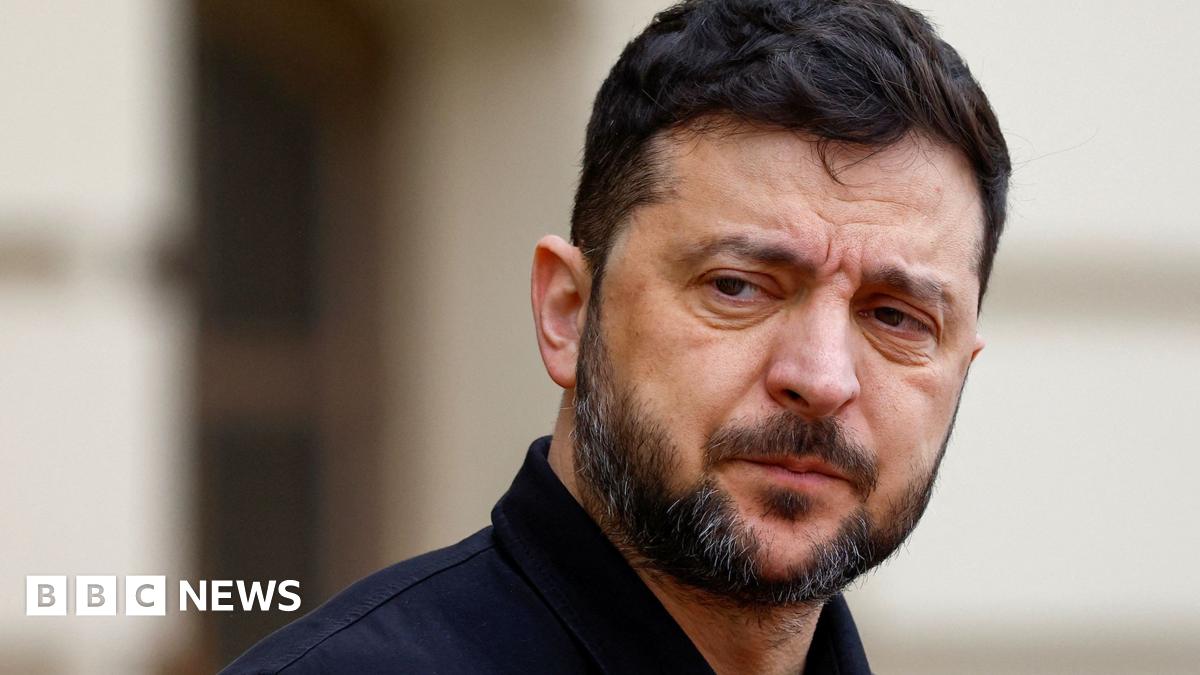
Ukrainian President Volodymyr Zelensky said his country risked either losing its dignity, or losing US support. European allies criticised the plan, saying it was too favourable to Russia.
Geneva talks
Talks followed in Geneva on 23 November, with delegations sent by the US, Ukraine and its European allies.
Details of a European counter-proposal were widely reported, including by news agency Reuters, with terms more favourable to Ukraine.
The BBC could not independently verify its contents, but it reportedly allowed for Ukraine’s inclusion in Nato and proposed security guarantees.
Russia-US talks
Five hours of talks between Russian President Vladimir Putin and US envoy Steve Witkoff at the start of December failed to produce a breakthrough.
A Kremlin spokesman said the Moscow meeting was “constructive”, but parts of the plan remained unacceptable to Russia.
US-Ukraine talks
Three days of talks took place in Miami last week between Witkoff and senior Ukrainian negotiator Rustem Umerov.
A revised draft of the peace proposal was put together during these talks. US President Donald Trump claimed Zelensky’s negotiators “love” the latest plan, but added that he is “a little bit disappointed that President Zelensky hasn’t yet read the proposal”.
As Trump made his comments, Zelensky said he would be briefed by his negotiators, adding “some issues can only be discussed in person”.