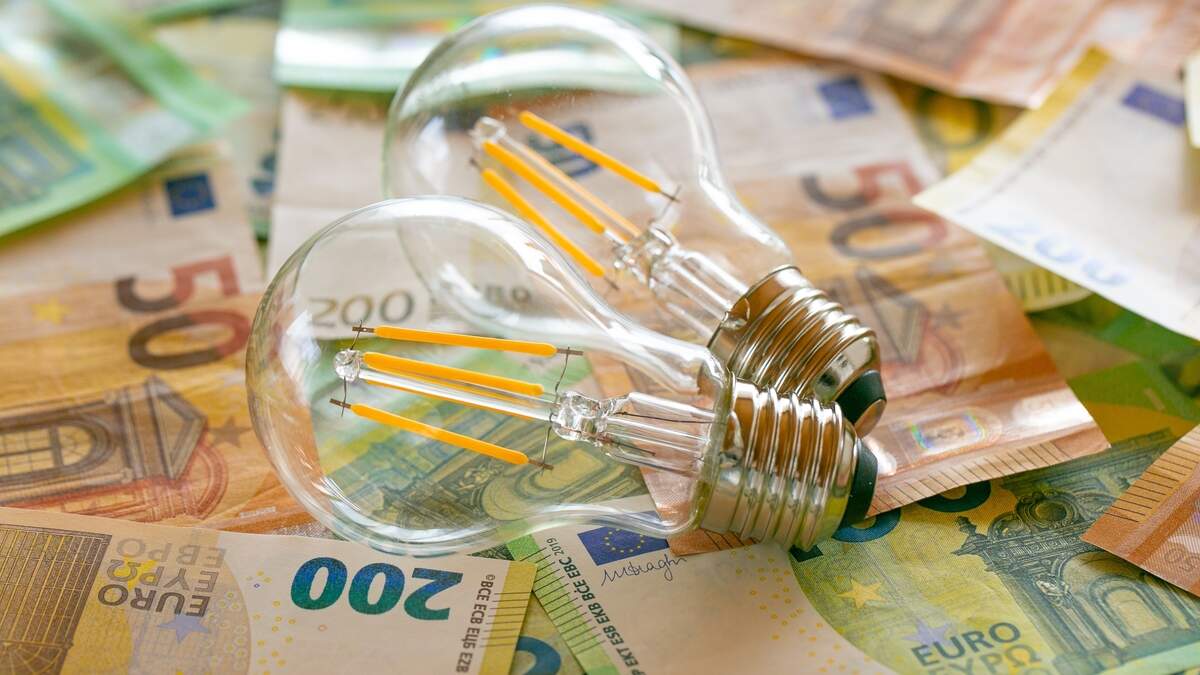
Luxembourg recorded the largest increase in household electricity prices in the European Union in the first three months of this year compared to 2024, even as prices are set to fall in 2026, according to data from Eurostat.
Electricity prices in the Grand Duchy rose by 31.3% year-on-year in the first quarter of this year, the steepest increase among EU member states. Ireland (+25.9%) and Poland (+20%) followed. Over the same period, prices fell in 13 countries and remained broadly stable in two.
Despite the sharp increase, Luxembourg is not the most expensive country for electricity. Households paid roughly €0.30 per kilowatt-hour in the first quarter of 2025, compared with €0.3835/kWh in Germany, the highest in the EU. Belgium (€0.3571), Denmark (€0.3485) and Italy (€0.3291) also recorded higher tariffs than Luxembourg.
Also read:Energy prices set to drop by 10% next year, says minister
According to Eurostat, the price rise in Luxembourg was driven mainly by higher network costs and the phasing out of state energy subsidies, including the end of the electricity price cap. Luxembourg’s electricity grid costs are particularly high due to the weight of distribution costs, which account for the entire transmission-and-distribution component of household bills.
The government has already intervened to limit these increases and plans to do so again in 2026.
At the end of November, utilities supplier Enovos announced that it will cut prices and Energy Minister Lex Delles said last week that prices should drop by around 10% next year. For an average household consuming about 3,900 kWh annually, this would reduce the yearly bill from roughly €1,115 in 2025 to about €1,006 in 2026, helped by lower wholesale prices and continued state support for managing the electricity network.
Eurostat notes that electricity prices across Europe vary widely depending on taxes, grid costs and subsidies. While countries such as the Netherlands and Luxembourg benefitted from negative electricity taxes through subsidies in 2025, Denmark had the highest tax share in the EU, accounting for nearly 48% of household electricity prices.
(This article was originally published by Virgule. Translated using AI, edited by Kabir Agarwal.)