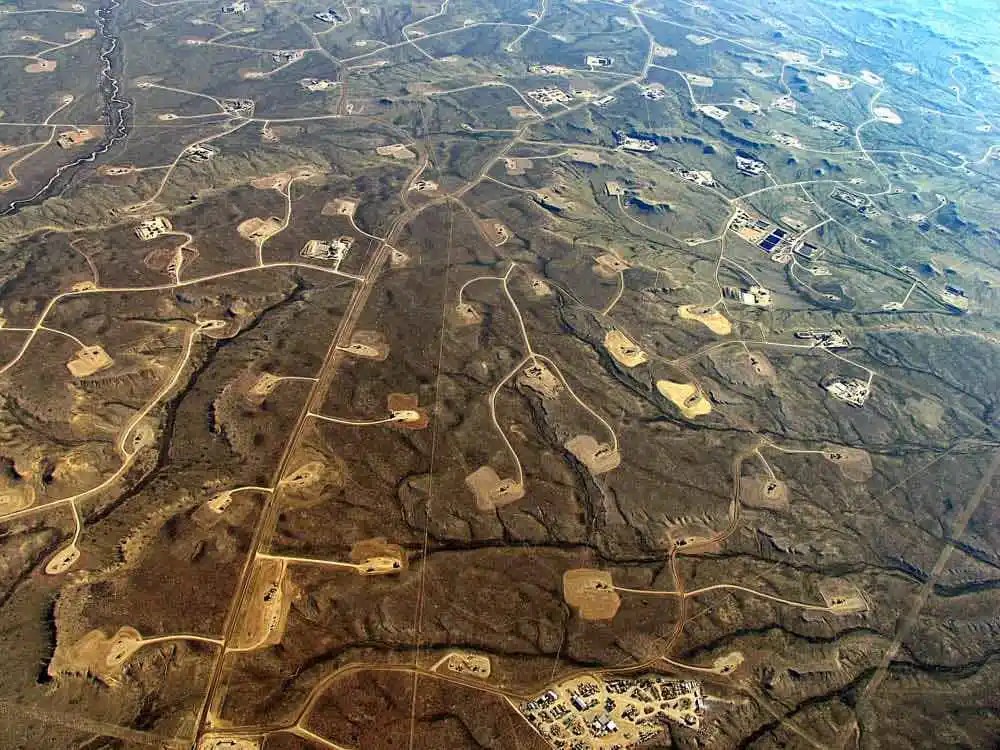
Wyoming oil and gas producer Merit Energy is not entitled to $3 million in tax refunds for electricity it purchased for its operations, the Wyoming Supreme Court ruled this week.
In a 20-page ruling authored by Justice Robert C. Jarosh, the high court denied Merit’s claim that electricity purchases from 2020 to 2023 qualify under a state tax exemption intended for businesses engaged in “transportation.” Rather than transporting the product to market, according to the court, the electricity expenses were associated with production — like powering submersible pumps used to bring petrol and associated fluids to the surface and distributing them to separation facilities.
Essentially, the tax exemption applied only to power purchases for transportation via pipelines necessary to transfer the custody of the product and not for production-related activities, according to the court.
“Across its units, Merit produces over 1,000,000 barrels of water daily to yield 15,000 barrels of crude oil,” the court noted. “The fluid arriving at the wellhead is not marketable crude oil, it is a commingled stream requiring processing before custody transfer.”
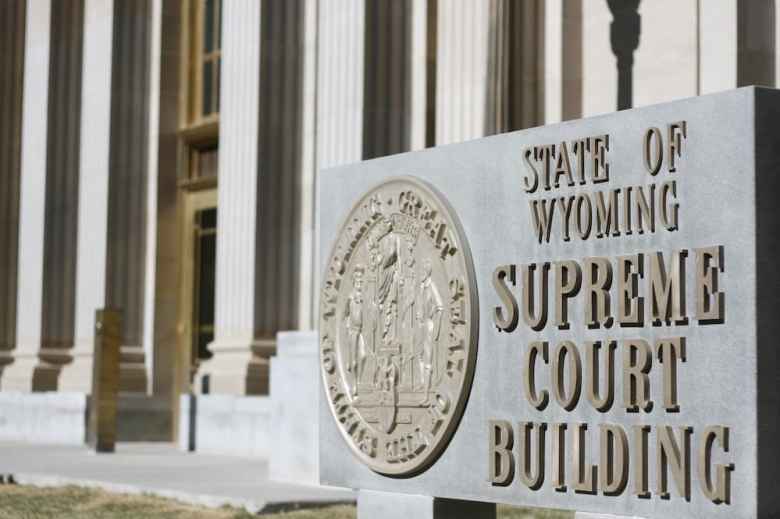 The Wyoming State Supreme Court in Cheyenne. (Andrew Graham/WyoFile)
The ruling overturns a Wyoming State Board of Equalization decision and spares local governments from millions of dollars in potential “clawbacks,” according to some observers who say a ruling in favor of Merit might have incentivized other oil and gas operators to make similar claims. Local officials in Park County, for example, fretted over a series of amended oil and gas tax filings under various statutes asking for refunds, potentially jeopardizing budgets that were set on revenues already distributed.
New law expands ‘transportation’ tax exemption for industry
Though Merit’s electricity purchases from 2020 to 2023 did not qualify under the exemption, the same types of purchases will qualify going forward, due to a new law passed by the Legislature this year.
House Bill 311, “Exemption for transported fuel and power sales-amendments,” which went into effect July 1, extends the tax break to “sales of power or fuel to a person transporting tangible personal property by railroad or by pipeline when the power or fuel is consumed directly in generating motive power for actual transportation purposes, regardless of ownership of the transported tangible personal property.”
The previous version of the exemption either did not apply to, or was legally obscure, regarding some oil and gas pipelines, according to the Petroleum Association of Wyoming, which brought the measure to lawmakers.
“Our argument was, some pipelines are already exempt, but not all pipelines,” PAW President Pete Obermueller told WyoFile. “And that is a major competitive disadvantage to [Wyoming] operators that have to do a lot of moving of their product through these gathering lines.”
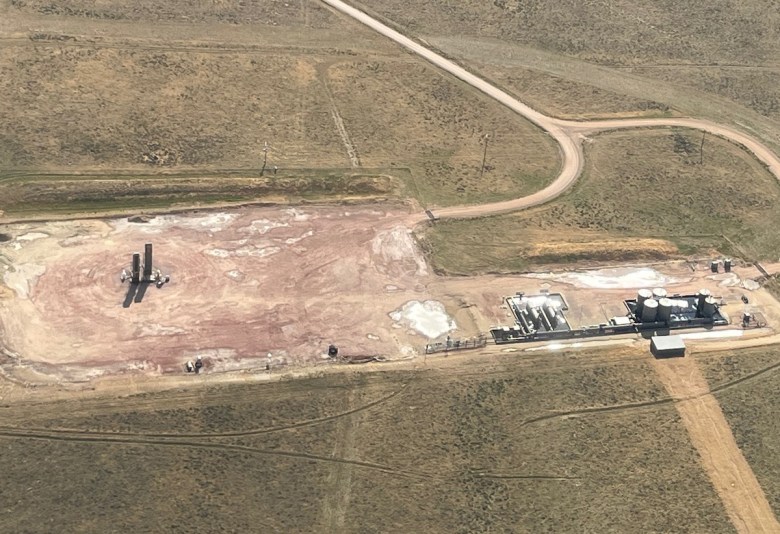 An aerial view of a Powder River Basin oil site in 2024. (Dustin Bleizeffer/WyoFile courtesy of Ecoflight)
“Gathering” refers to a web of small pipelines that originate at individual wells and funnel toward larger pipelines that take petrol to refineries and, ultimately, to regional and national market trading points.
However, the “disadvantage” Obermueller mentioned — that Wyoming oil and gas producers had endured prior to the legislation — is unclear. When asked, Obermueller said he didn’t know how Wyoming’s laws compare to similar taxation methods in competing oil and gas-producing states.
Expanding the exemption will result in less revenue for oil- and natural gas-producing counties, according to the Wyoming Department of Revenue. But just how much is unclear.
According to the bill’s fiscal note: “The fiscal or personnel impact is not determinable due to insufficient time to complete the fiscal note process.”
Both PAW and the Department of Revenue noted that even the expanded tax exemption does not apply to all electricity purchases in the oil and gas industry.
“It’s pretty small in the sense that it only affects a certain amount of electricity purchased for a very specific reason,” Obermueller said, “and the only way to get the exemption is if you know how much electricity you’re using for that specific purpose.”
Overall, the expanded exemption could result in an annual revenue loss of about $10 million, Obermueller estimated. Electrical “power costs in Wyoming, apart from labor, are the single largest expense for producing resources here,” he said. “The point is, power costs are a barrier to production.”
The average monthly cost of electricity for all “industrial” consumers in Wyoming decreased by 2.3% year-over-year in August, according to a report by the University of Wyoming School of Energy Resources, compared to a 5% increase nationally.
The spot price for Wyoming crude oil was down 15.4% year-over-year, as of October. Production for the same period had ticked up only 0.1%. Wyoming natural gas production, year-over-year in August, was down nearly 5%.
This article was originally published by WyoFile and is republished here with permission. WyoFile is an independent nonprofit news organization focused on Wyoming people, places and policy.
Related