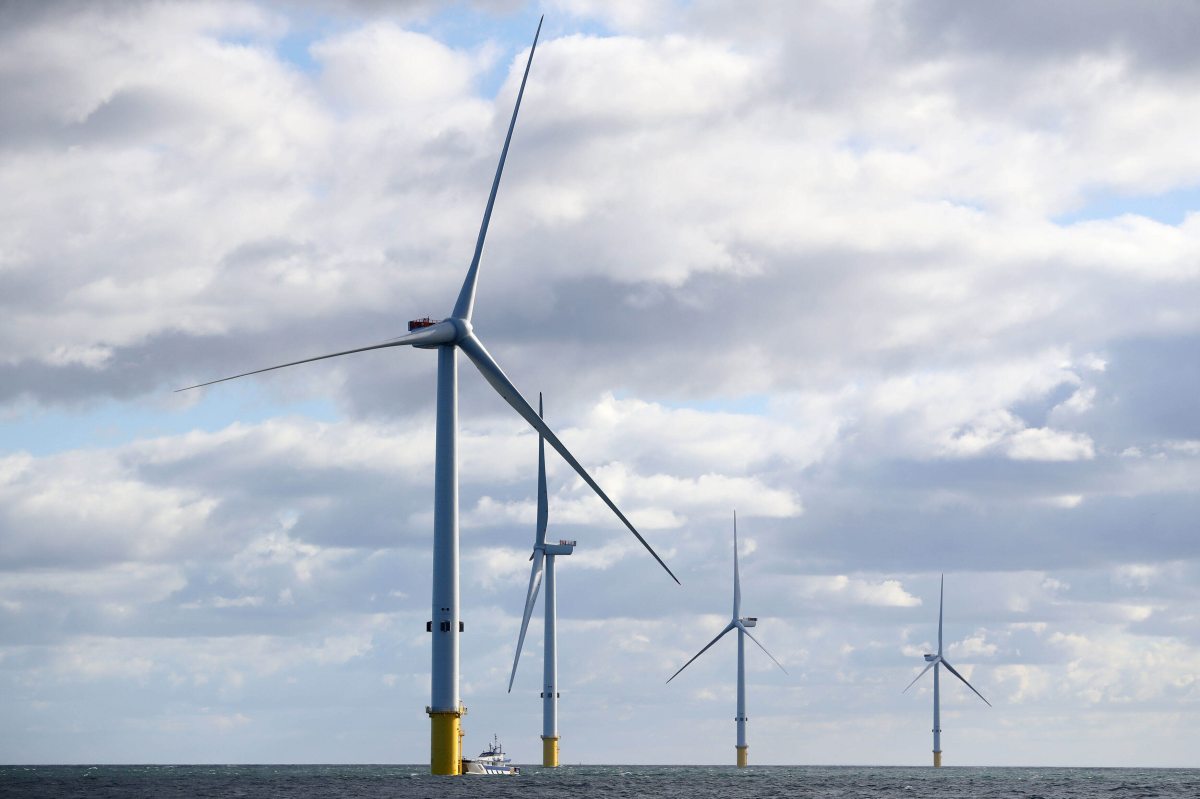
A federal judge in Massachusetts on Monday struck down an executive order issued by President Donald Trump that sought to halt offshore wind projects, court records show.
The executive order had brought the nearly completed Revolution Wind project—one of the largest offshore wind initiatives in the country—to a standstill, threatening jobs, billions in investment and regional energy targets.
Trump has assailed wind farms and renewable energy sources in recent comments, while promoting reopening mines and other energy sources in the U.S.
The court vacated the wind order on the basis that it was unlawful.
Why It Matters
The federal ruling marks a pivotal moment for the U.S. renewable energy landscape. With electricity demand climbing and state governments racing to meet climate goals, the court’s decision not only preserves critical momentum for renewable energy but also signals potential limits on executive power to disrupt industry progress based on uncertain or unsubstantiated grounds.
What To Know
U.S. District Judge Patti B. Saris on Monday ruled that the executive order issued by Trump in August was unconstitutional, opening the door for Revolution Wind and other offshore energy projects to move forward.
The decision came after U.S. District Judge Royce C. Lamberth issued a preliminary injunction in September against the Trump administration’s stop-work order for the nearly $6 billion Revolution Wind project—a joint effort by Danish energy company Orsted and partners BlackRock and Skyborn Renewables.
The project had been halted since August by the Bureau of Ocean Energy Management (BOEM), which cited national security concerns without specifying details, PBS reported.
Lamberth found that the administration’s action caused “irreparable harm” to the plaintiffs, with each day of delay costing $2.3 million and threatening the whole project’s viability due to inflexible construction deadlines and limited vessel availability.
He described the government’s justification for the halt as “the height of arbitrary and capricious” and noted that the shutdown could endanger over 1,000 union jobs, Engineering News-Record reported in September.
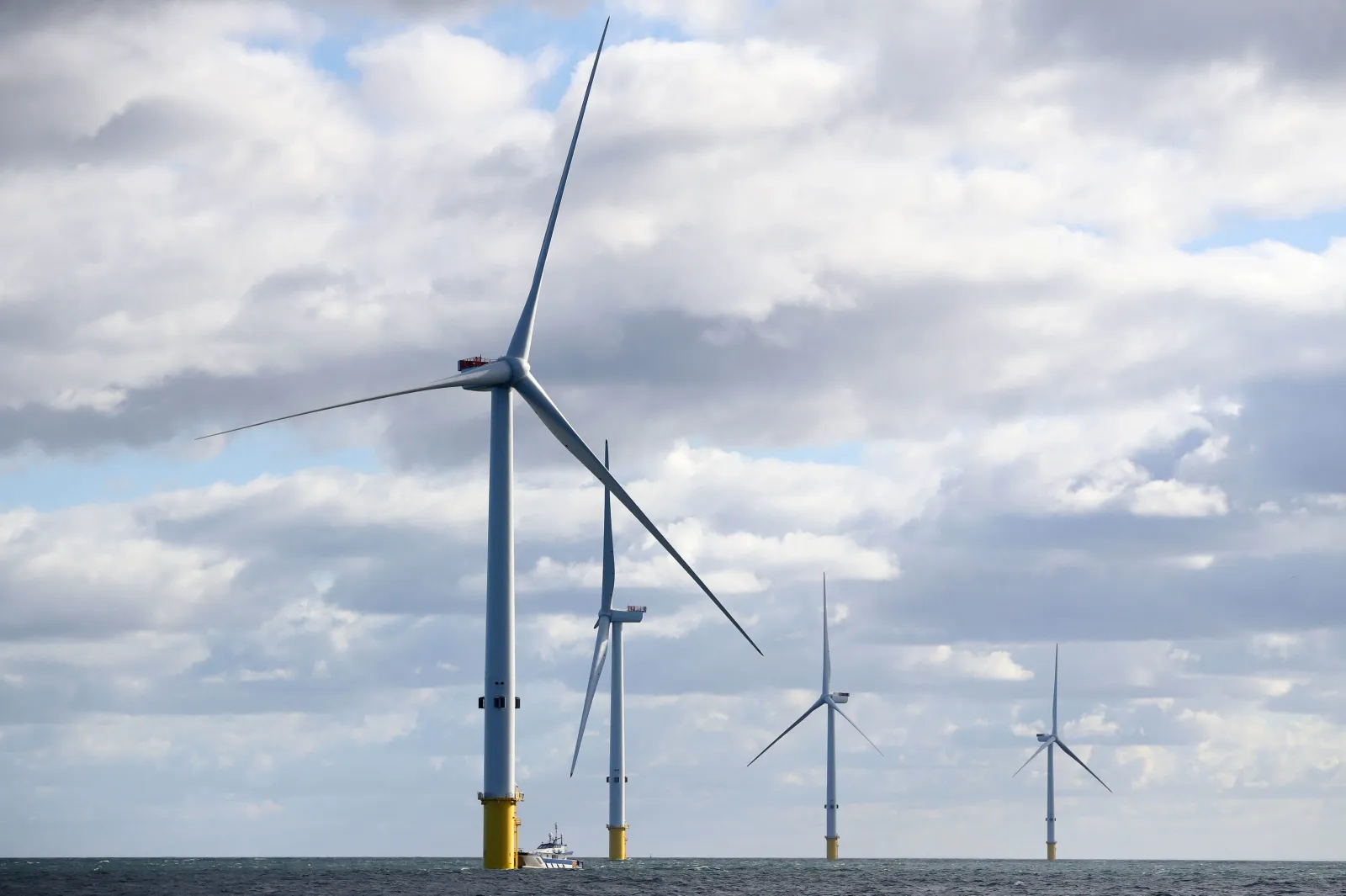
The Revolution Wind project, set to power up to 350,000 homes in Rhode Island and Connecticut, is intended to deliver approximately 2.5 percent of regional energy needs, splitting electricity between the two states. At the time of the halt, about 70 percent of turbines had been installed, and developers had invested or committed about $5 billion.
Trump has long voiced opposition to wind power, describing wind turbines as unsightly, noisy and environmentally harmful in public statements and on the campaign trail.
He has repeatedly criticized offshore wind developments, claiming they drove up energy costs, killed wildlife and caused other environmental issues—a stance at odds with the Biden administration’s earlier emphasis on renewables.
Trump used his position to pause construction on multiple wind projects and attempted to revoke or freeze federal funding and permits for the sector, positioning fossil fuels as the preferred energy source for the U.S.
What People Are Saying
Saris, in the court decision Monday: “Given that the Wind Order constitutes a change of course from decades of agencies’ issuing (or denying) permits related to wind energy projects, the Agency Defendants were required, at minimum, to “provide a reasoned explanation for the change” and to “display awareness that [they were] changing position.”
Trump, on Truth Social in August: “Any State that has built and relied on WINDMILLS and SOLAR for power are seeing RECORD BREAKING INCREASES IN ELECTRICITY AND ENERGY COSTS.”
Trump, at a July meeting with U.K. Prime Minister Keir Starmer in Scotland: “Wind is the most expensive form of energy. And it destroys the beauty of your fields and your plains and your waterways. And look, look out there—there’s no windmills. But if you look in another direction, you see windmills. If, when we go to Aberdeen, you’ll see some of the ugliest windmills you’ve ever seen. They’re the height of a 50-story building. And you can take a thousand times more energy out of a hole in the ground … It’s called oil and gas.”
What Happens Next
Revolution Wind partners aim to resume construction immediately to meet their timeline and avoid additional costs. The U.S. Interior Department and Bureau of Ocean Energy Management may still appeal Saris’ ruling, which would move the dispute to the federal appellate court.
Despite possible new legal challenges, the court decision represents a major, if temporary, victory for wind developers, labor unions and states pursuing renewable energy jobs and targets.
Ongoing federal reviews and political scrutiny continue casting uncertainty on the long-term regulatory outlook for offshore wind projects nationwide.