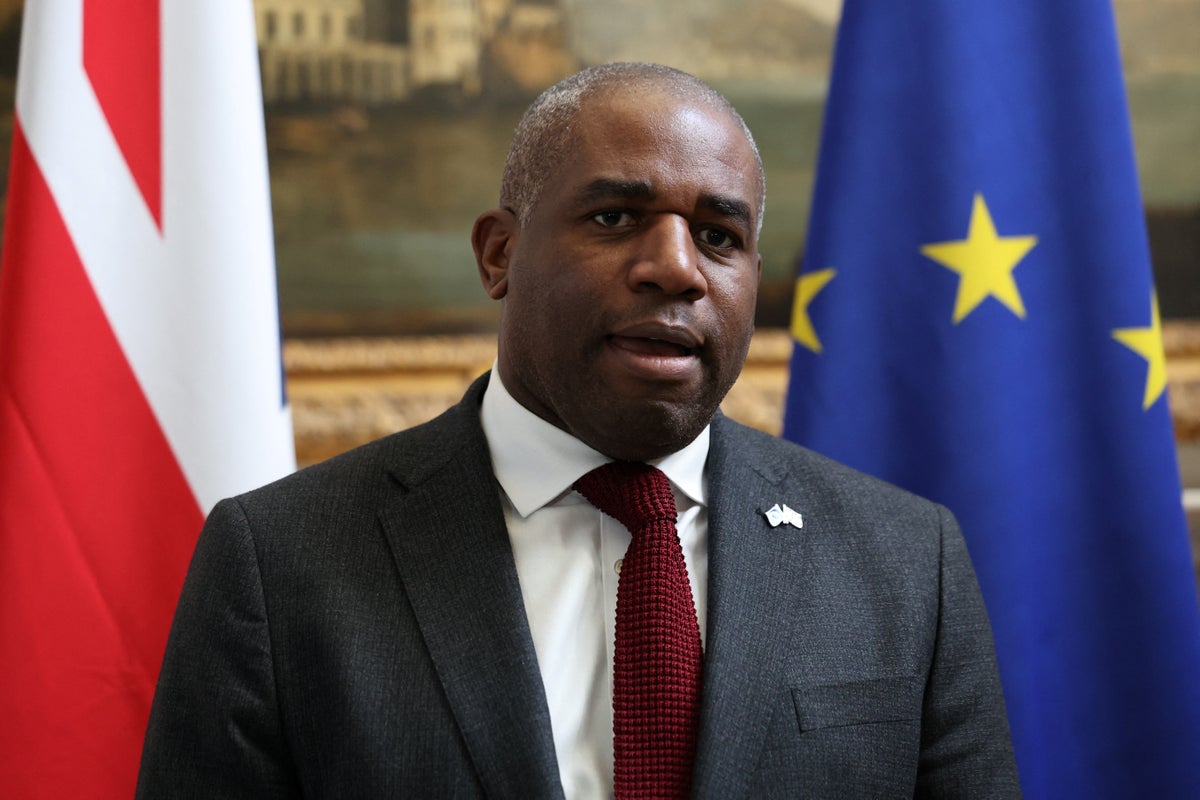
No 10 may have slapped down deputy PM David Lammy after he cautiously suggested that the UK rejoin the EU’s customs union, but the genie is out of the bottle. Seeking to stir the pot, the Liberal Democrats brought forward a 10-minute-rule bill advocating just that, urging Labour backbenchers to support the motion – a bill that duly passed in the Commons by a slim margin today.
Those MPs know full well that if Labour is to recover from the doldrums it finds itself in, it needs to pull the economy out of a slough of despondency. This was proving challenging even before chancellor Rachel Reeves clobbered UK plc with a wrecking ball labelled “£26bn of tax rises”. That, too, can be traced back to Brexit.
The UK’s exit from the union – as Lammy correctly noted – badly damaged its economy. It was an act of self-harm, puncturing the economy’s wheels and wrecking the nation’s fiscal position in the process. It was as much to blame as Reeves for that appalling Budget.
What good timing, then, for the respected pollster Peter Kellner, who sat as YouGov president until 2016 – the year of the Brexit referendum – to say that the pro-Brexit majority which voted to leave the EU nine years ago has “literally died out” in The New European, noting that there’s most likely a majority of eight million now in favour of rejoining the bloc.
But a customs union is not the panacea its supporters think it is. Yes, it would reduce the trade barriers that the UK threw up when it swapped EU membership for Boris Johnson’s ropey, threadbare Trade and Cooperation Agreement (TCA).
Those rules of origin that companies have to satisfy to export goods tariff-free under the TCA would, in theory, disappear because there would be a common external tariff. That’s a win. Satisfying the rules, and completing the heavy burden of paperwork, leads some companies to simply pay the tariffs and be done with it. Others, smaller businesses in particular, have given up trading cross-border.
But there would be negatives, too. Simply joining the EU customs union like, say, Turkey, would force the UK to rip up the trade deals it has struck with other countries and surrender its independent trade policy.
No great loss, you might think, given the negligible economic boost of what’s been signed to date. Britain’s farmers would probably be quite happy to see the back of the tie-ups negotiated with Australia and New Zealand. Even the more interesting deals – the one struck with India would be an example – don’t come close to making up for what the UK lost through Brexit.
Yet the debate that has opened has seen the UK doing something it is very good at: talking to itself while ignoring the gorilla in the room. Anyone thought to ask if the EU wants to play ball?
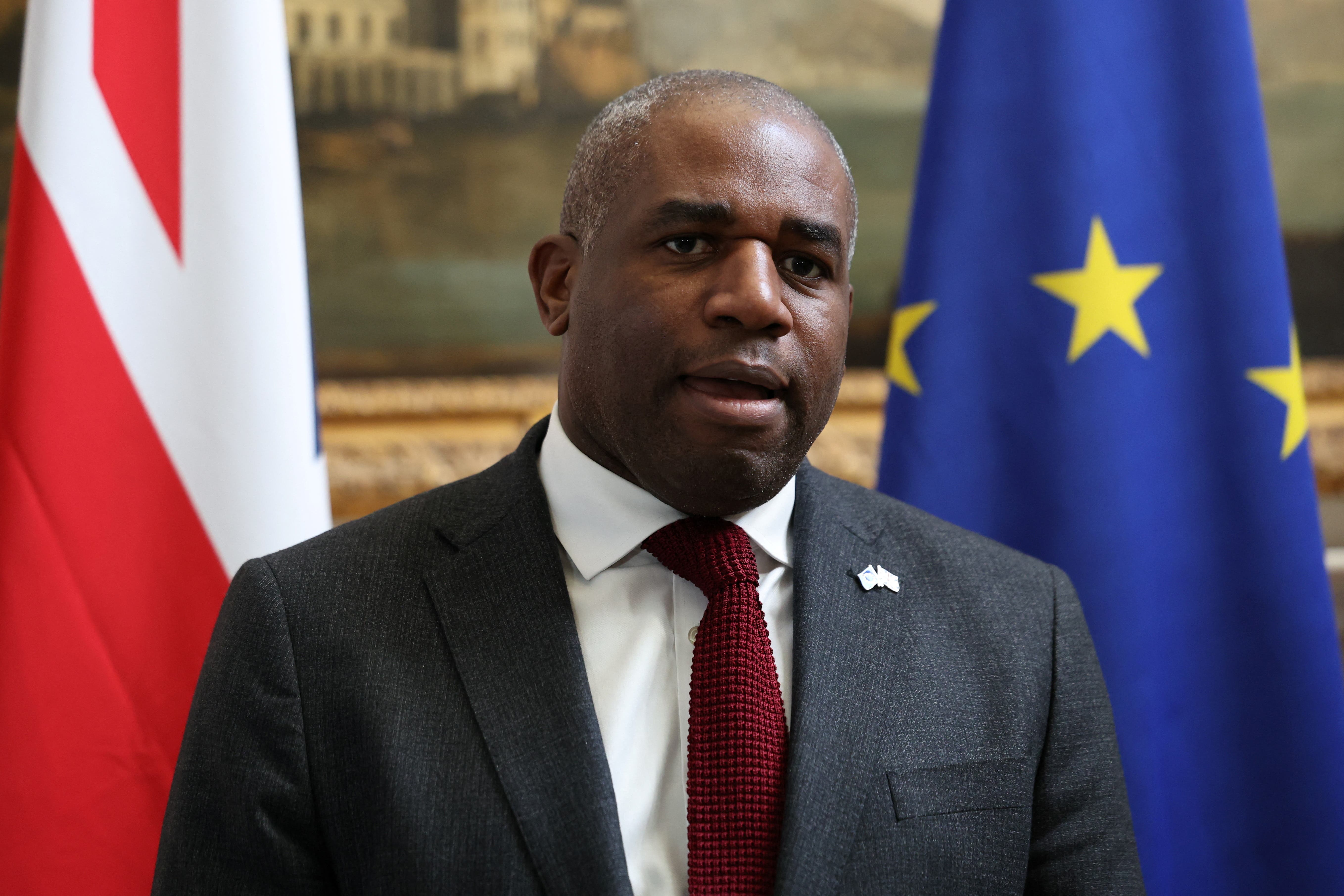
The UK’s exit from the union – as Lammy correctly noted – badly damaged its economy. It was an act of self-harm, puncturing the economy’s wheels and wrecking the nation’s fiscal position in the process (PA Wire)
It doesn’t, according to MP Andrew Lewin, who ran Remain Labour. “The European Union has shown no interest in negotiating a new customs union with the UK,” he wrote for LabourList.
Lewin argued that progress has been made on a raft of other issues: a scheme that would allow young people to live and work in the EU, a deal on food and agricultural products, aligning the UK’s rules with Europe’s and so reducing border checks, among other things being discussed.
“It would throw the whole process back up in the air to choose this moment to make asks about a customs union,” Lewin argued.
I’m not sure it necessarily would. But it’s a moot point because Lewin is otherwise on the money.
The most effective means of repairing the horrible damage Brexit has done to the UK economy is something the government still doesn’t want to talk about: joining the EU single market.
This would not violate the EU referendum, despite what Brexit-y types would have you believe, because it would not make Britain a member of the EU. It would not – from an economic standpoint – be as good as that, either. But as a sort of halfway house, it makes sense in the way that joining the customs union doesn’t.
The problem? It would mean accepting the free movement of people for a start. Not easy in the current climate. The UK would also have to scrap the trade deals it has done (but would be part of any future deals struck by the EU), and it would become a rule-taker. However, the benefits would substantially outweigh the costs.
But it’s too rich for Starmer’s blood, especially at the moment. What he really needs, what Labour needs, as Lewin notes, is progress. To secure, if you like, a post-Brexit “peace” dividend through better relations with Europe, ending the cold trade war. Helping Starmer with that would be in Europe’s interests, too, unless it’s keen on the idea of having Nigel Farage on its doorstep.