LETTER FROM TOKYO
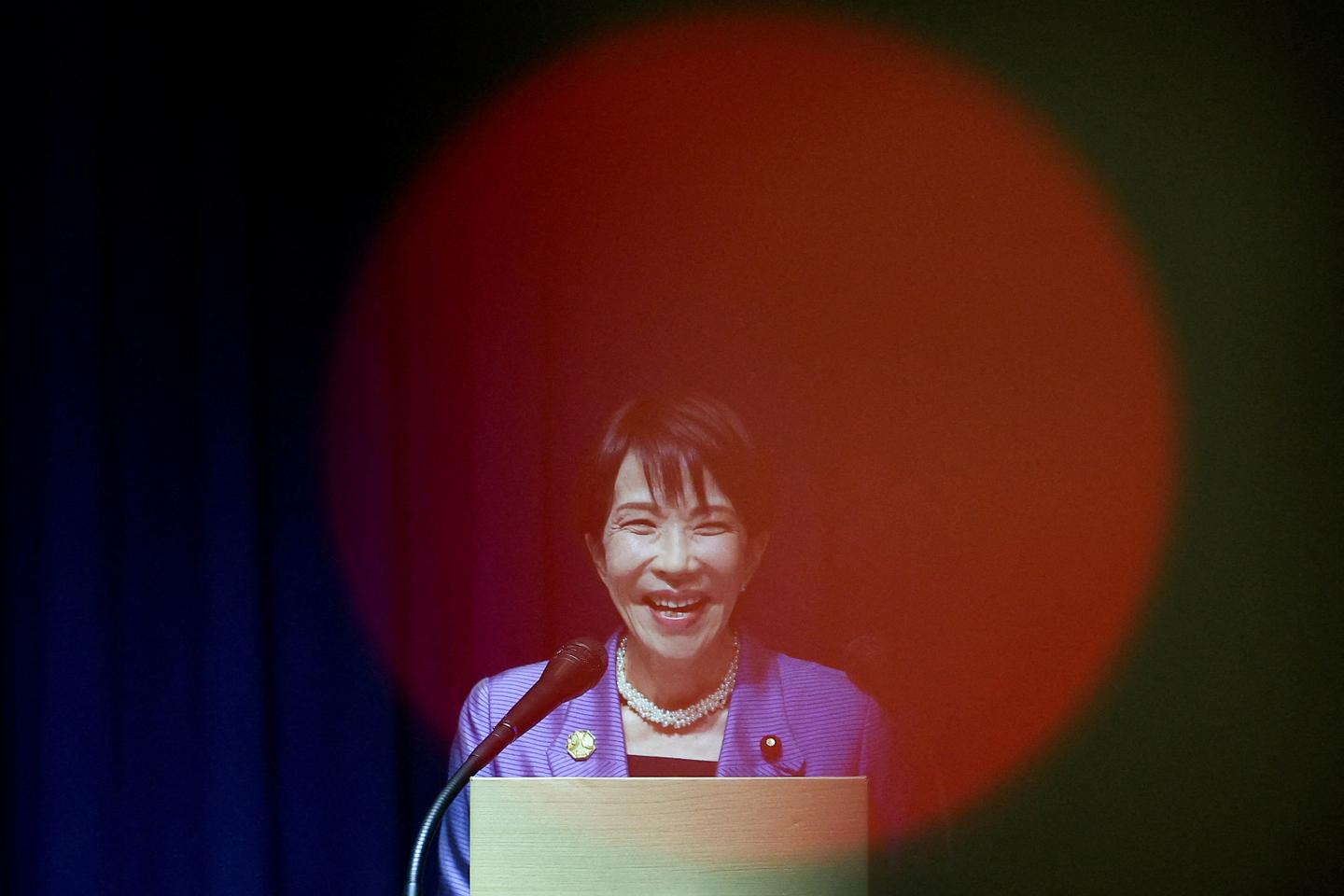
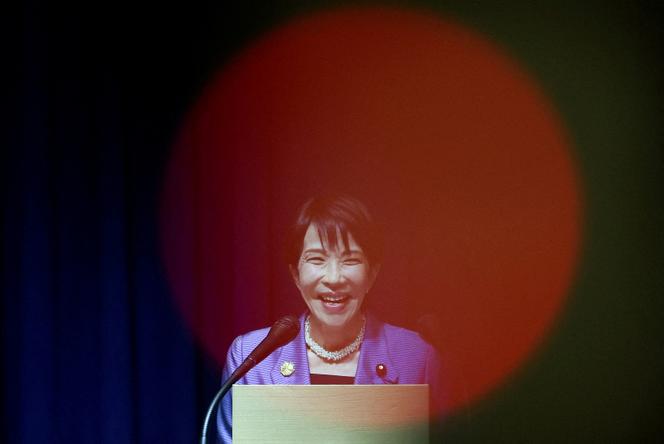 Japanese Prime Minister Sanae Takaichi at the Asia-Pacific Economic Cooperation (APEC) summit, Gyeongju, South Korea, November 1, 2025. KIM HONG-JI / REUTERS
Reactions to the crisis between China and Japan, triggered by Prime Minister Sanae Takaichi’s November 7 statement regarding the possibility of Japanese military intervention if China attacks Taiwan, have revealed a rightward shift among some younger generations.
According to a recent poll by the daily newspaper Yomiuri, 64% of respondents aged 18 to 39 approve of Takaichi’s stance. More broadly, her “straight talk” and open nationalism have been well received by a majority of Japanese who are frustrated with political indecision and scandals. That discontent has fueled a wave of angry messages on social media.
Japan has been facing a dual crisis, both political and social. The Liberal Democratic Party (LDP), which has held power since 1955 except for a brief hiatus (2009-2012), has grown weaker: It lost its absolute majority in the Senate in July after suffering the same setback in the lower house in 2024. Following its defeat in the upper house elections, the party sought new momentum by shifting further right, appointing one of its leading right-wing figures, Takaichi, as its president. She became prime minister thanks to support from centrists.
You have 77.5% of this article left to read. The rest is for subscribers only.