Francia: ¿qué es la laicidad y qué significa para el país?
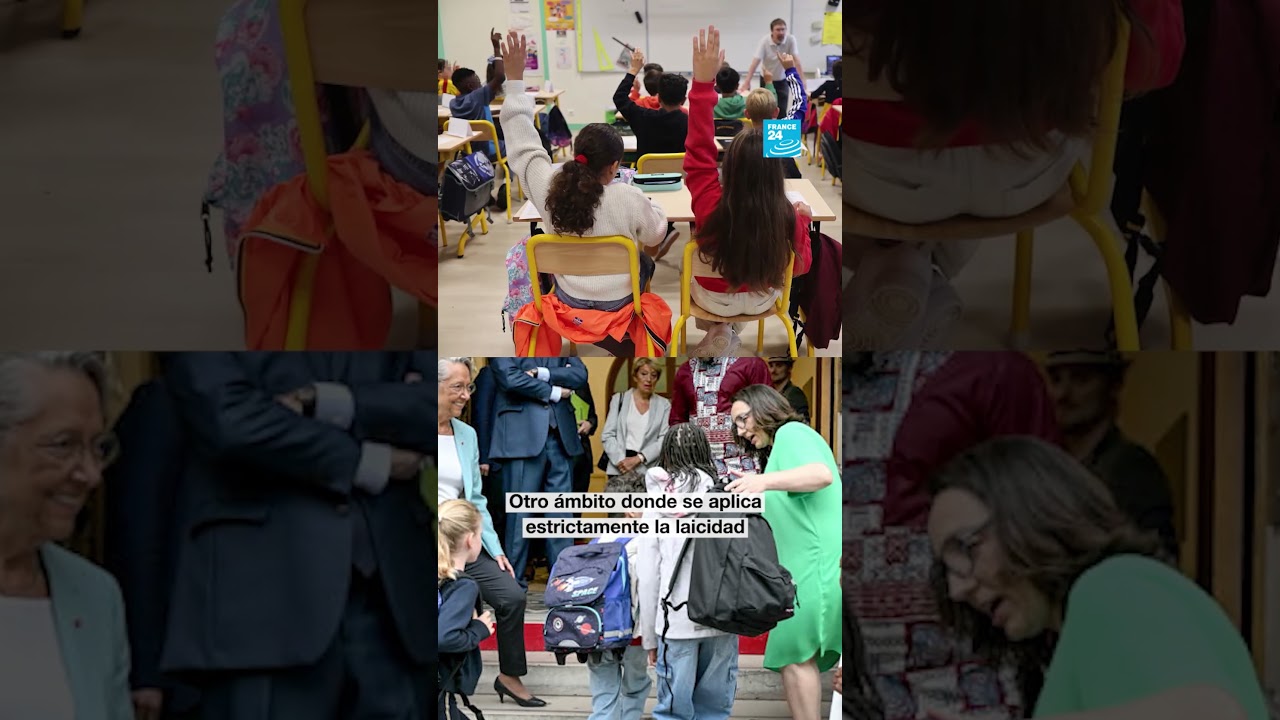
Every citizen in France is raised on the motto liberty eal fraternity. But there’s a fourth concept that’s just as important. To understand France, you need to know what it means. This founding pillar of the French Republic carries incredible symbolic weight here in France, but it’s often misunderstood abroad. So what is lit? Well, in English it’s translated as secularism, the separation of church and state. But France’s brand of secularism is quite particular, exceptional some might say, and the English word secular doesn’t really capture the complexity of it. To understand what lys is, you have to understand where it comes from. French secularism finds its roots in the 18th century philosophy of the enlightenment and the French Revolution of 1789. The backbone of modern French secularism is a law from 1905 which says that article one the republic ensures freedom of conscience which is often shadowed by article two the republic does not recognize pay or subsidize any religion. This is DNA. The state must remain neutral but individuals are free. So that’s the law but how does it play out in practice? Quite simply faith is a private matter for each individual citizen. And when it comes to the state, I guess you could say it’s a no god zone. God and faith stay out of official state policy and government affairs. Civil servants are expected to stay neutral with respect to religion and are prohibited from displaying religious symbols while on the job. Another area where there is strict enforcement of lys is in French public schools. Public schools have been secular since the juler laws of the 1880s. For decades, religious symbols were tolerated. But in 2004, Parliament passed a controversial law banning all conspicuous religious symbols in schools. Large Christian crosses, the Muslim headscarf, seek turbans, and the Jewish skull cap or keepa were banned in the name of France’s strict secular laws have often sparked criticism that France is anti-religious and increasingly used to stigmatize Muslims. Leys was invoked for the controversial Muslim face veil ban commonly called the burka ban in 2010 or during the whole burkini debate on French beaches a few summers ago. Critics of state secularism say there’s kind of a hypocrisy or double standard that tends to favor France’s Catholic cultural heritage. But 120 years after it was signed into law, opinion polls suggest most French people think secularism is in danger. And there is overwhelming support for a government pledge to reinforce LIC particularly in French public schools. So remember France’s motto. Some say it should be changed. L city.
🇫🇷 El lema francés “libertad, igualdad, fraternidad” ha consagrado valores que #Francia considera parte integral de su identidad nacional. Sin embargo, un cuarto valor ha generado debates: la #laicidad.
🔔 Suscríbete a nuestra cadena en YouTube: https://f24.my/YTes
🔴 En VIVO – Sigue FRANCE 24 aquí: https://f24.my/YTliveES
🌍 Nuestro sitio: https://www.france24.com/es/
📲 Siempre en tu bolsillo desde WhatsApp: https://f24.my/WAes
y en Telegram: https://f24.my/TGes
Únete a la comunidad Facebook: https://f24.my/FBes
Síguenos en X: https://f24.my/Xes
Bluesky: https://f24.my/BSes y Threads: https://f24.my/THes
Descubre las noticias en imágenes en Instagram: https://f24.my/IGes
Descubre nuestros vídeos en TikTok: https://f24.my/TKes
1 comment
Una cosa es laicismo y otra es "antireligioso". Y la verdad me parece perfecto: el que crea en Dios que le lleve en su corazón que es donde debe ir; el ámbito civil no puede ni tiene que tener nada de religioso. Y por otro lado, la tradición histórica de Francia es cristiana (católica). Si a los judi0s y musulmanes no les gusta se puede ir a sus países 6 fin del conflicto
Comments are closed.