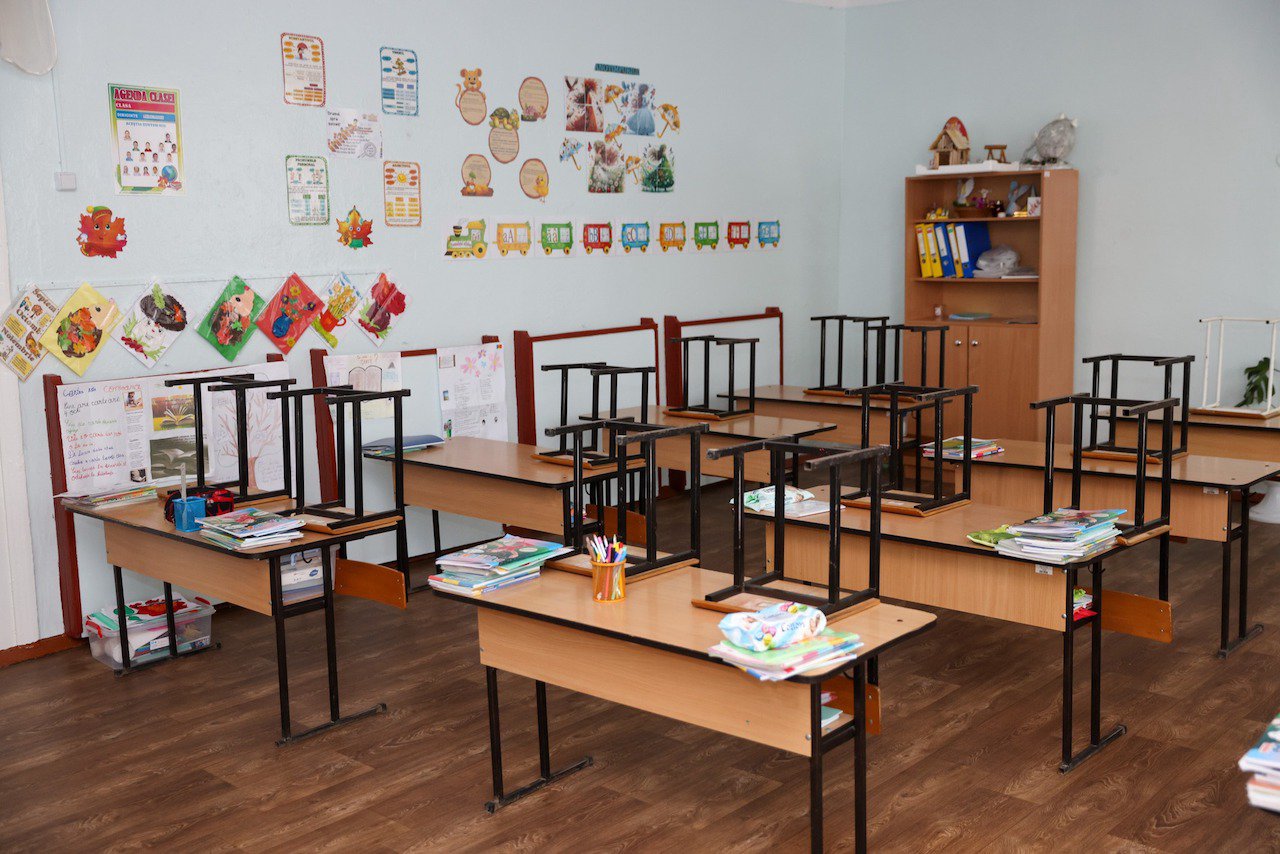
The national exams’ results for the ninth grade in subjects like mathematics, history, and Romanian language and literature have again highlighted significant differences between small and large schools. Authorities are proposing the reorganization of 73 institutions, in order to improve the quality of education. The provisions are included in a draft law for amending the Education Code, currently under public consultation.
The average mark for exams in schools with fewer than 30 pupils in middle school was 5.77, while institutions with over 600 pupils recorded an average above 7.1. Differences stay obvious across all three tested subjects.
The proposed reform targets transforming middle schools with fewer than 35 pupils into primary schools, reorganizing those with fewer than 30 pupils into primary school-kindergartens, and converting primary-kindergarten institutions with fewer than 10 pupils into kindergartens. In total, approximately 1,328 pupils, or less than 0.5 per cent of the total number of pupils in the country, are expected to be affected by the changes.
According to estimates, 76 per cent of these pupils will have to travel less than 10 km to the new institution, and only 7 per cent (87 pupils) might face journeys longer than 15 km.
The project also includes measures for expanding the inclusion of children with severe intellectual disabilities, supporting young specialists in research and academia, and adjusting the educational system to European standards.
Minister Dan Perciun presented the proposals at a news conference and in discussions with the Congress of Local Authorities of Moldova (CALM) and local education authorities.