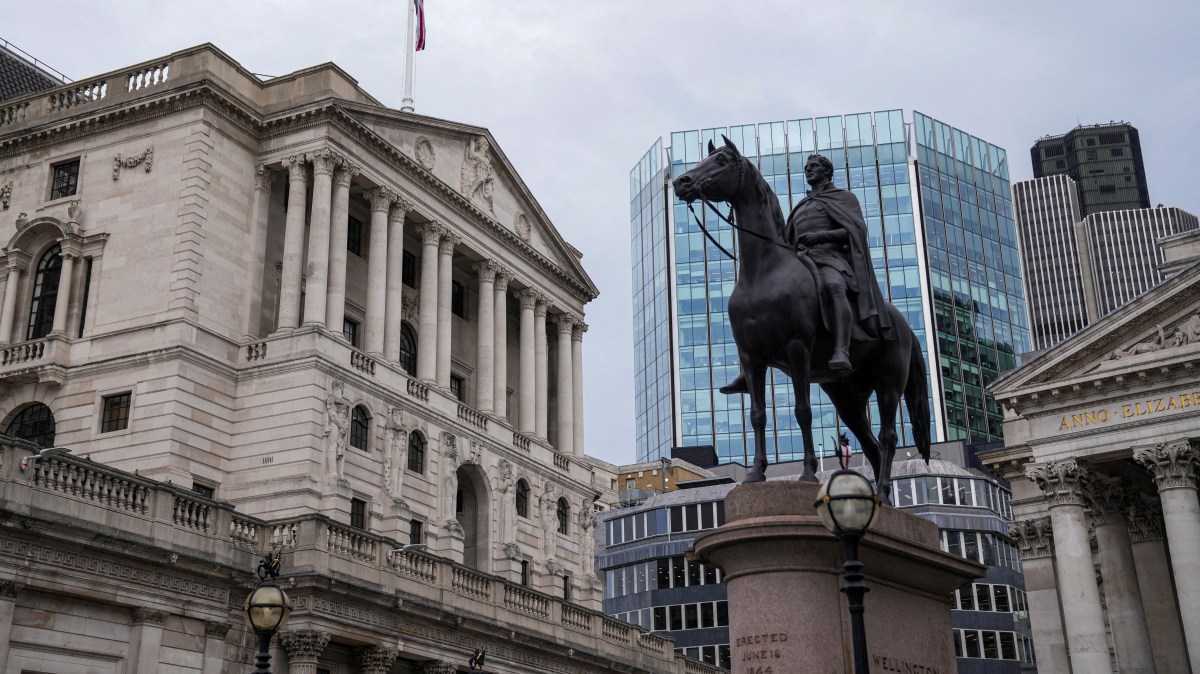
Anyone seeking an inflation-beating home for their savings should grab a 5 per cent deal before the Bank of England’s predicted rate cut next week.
Banks and building societies have launched a pre-Christmas rates battle, with most offering accounts paying interest above 4 per cent.
But analysts warn that these may vanish after the Bank of England’s monetary policy committee meets for the final times this year — it is expected to cut the base rate, which affects high street savings and mortgage rates, from 4 per cent to 3.75 per cent.
The deals
You can get 5 per cent interest fixed for a year on a Sunny Savers account from Cahoot, which is part of Santander, but only on balances of up to £3,000. Its Simple Savers easy access account pays a variable 4.4 per cent rate for 12 months on balances up to £500,000.
• The best savings accounts in 2025 and how to choose one
Investec has a one-year fixed rate of 4.5 per cent on up to £250,000, but you need a minimum £5,000 deposit and cannot make any withdrawals during the year.
DF Capital has a one-year fixed rate of 4.45 per cent rate on up to £250,000 with a minimum deposit of £1,000 and a two-year deal at 4.41 per cent with the same conditions. Neither account allows withdrawals.
The specialist lender GB Bank has a one-year fixed rate at 4.4 per cent on up to £100,000 while the digital bank Chetwood pays the same rate for a year and has no maximum. Both require at least £1,000 deposit and don’t allow withdrawals. Chetwood also has a 4.04 per cent variable easy access rate.
National Savings and Investments, which is backed by the Treasury so all deposits are 100 per cent guaranteed, is still offering a 4.2 per cent one-year fixed rate and has a five-year fixed rate at 4.15 per cent — you need a £500 deposit.
• Named and shamed: The savings accounts paying as little as 0.2%
Somebody with £20,000 in savings could earn as much as £900 in interest in a year from the Investec account. If rates fell in line with a 0.25 percentage point cut to Bank rate, they would earn around £850, and if the rate fell to 3.75 per cent the interest would drop to £750.
The rate on variable easy-access accounts can fall within hours of a change to the Bank rate, but fixed-rate products are secure throughout their term.
Laith Khalaf from the investment platform AJ Bell said: “Markets are almost fully pricing in a rate cut next week, just in time for Christmas. This is likely to push variable savings rates down, although it’s notable that the most competitive easy-access accounts are still beating the Bank rate.”
In August the monetary policy committee held the base rate, which influences mortgage and savings rates, at 4 per cent, having cut it five times in the 12 months before, down from a 15-year high of 5.25 per cent.
• Visit Times Money for personal finance news, guides and expert columnists
Higher rates are intended to rein in inflation by increasing borrowing costs to reduce consumer spending. Lower inflation — the consumer prices index measure was 3.6 per cent for the year to October, down from 3.8 per cent in September — therefore paves the way for rate cuts.
“Gradually slowing inflation — driven by normalising regulated prices and moderated wage growth —gives us confidence that Bank rate will continue easing through 2026, expected to reach 3.25 per cent by mid-year,” said Shaan Raithatha from the investment firm Vanguard.
Clare Lombardelli, the deputy governor of the Bank of England, told parliament’s Treasury committee on Tuesday that the Bank expected last month’s budget to bring down inflation. “We think it will reduce inflation by between 0.4 and 0.5 per cent for a year from the second quarter of 2026.”
Markets have priced the odds of a Bank rate cut at about 90 per cent, with most analysts expecting it to be cut to 3.75 per cent.