Some employers are deliberately leaving large sums of money in plain sight to test whether their carers will take it, a representative of the Filipino community in Malta said.
“There were times when the carer was intentionally tested just to make sure that they were not going to steal something,” Marieta Escaro said on Thursday.
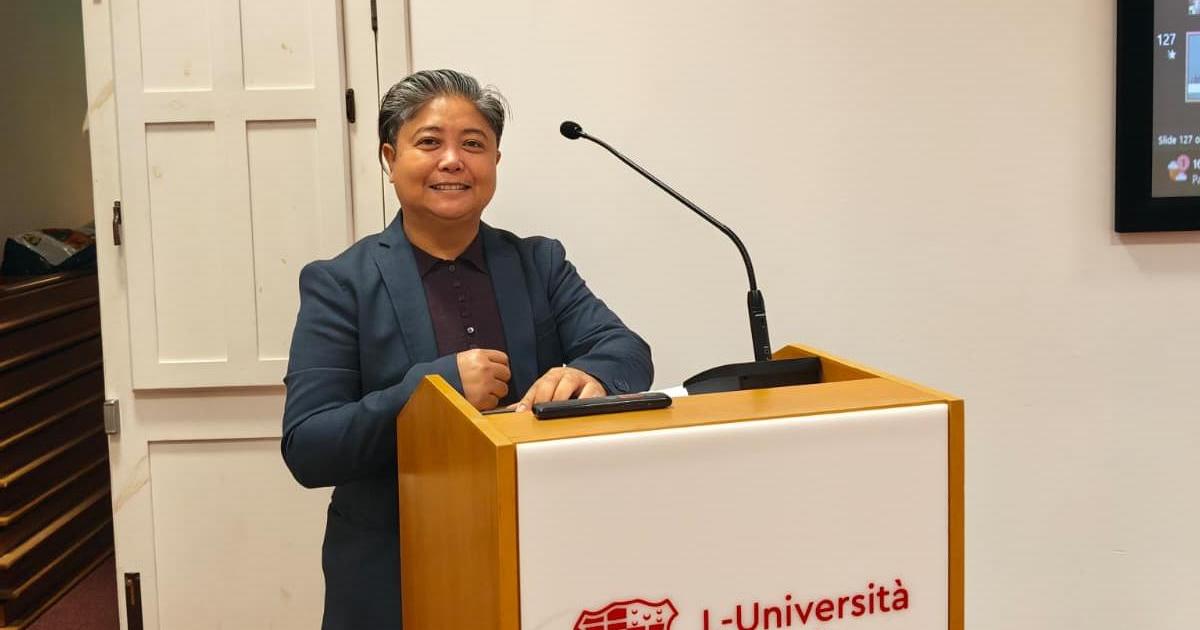
Escaro, the Vice-President of the Filipino Bayanihan sa Malta (FiBaM), was speaking during a panel discussion at the third annual research conference on migration.
The panel was discussing a dissertation by Claire Aquilina Vella, which explored the attitudes that Maltese people have towards non-Maltese live-in carers.
Aquilina Vella carried out a study by conducting interviews with families who employ carers and with carers themselves. She found that, among the people she interviewed, Maltese families prefer to have foreign carers, particularly from the Philippines.
The study concluded that the deeply personal relationship formed between carers and those they care for contributes to the integration of migrant workers into Maltese society.
During the panel discussion, Escaro shared how trust is the main obstacle that carers need to overcome when dealing with their employers.
She described several instances in which carers found large sums of cash, sometimes left on a table, other times tucked into dirty laundry.
Although employers would not explicitly state that this was a test, she found it hard to believe these instances were coincidences, especially when the elderly person would not usually leave cash lying around in such a way.
“I have experienced this myself. Once I was working and I noticed that the safe was open and inside there was a large pile of money. That’s a red flag. Why is it open in the first place?” she said.
Whenever a carer encounters these situations, she suggested that the best thing to do is to report it to someone and not take the money.
Who’s going to take care of the carers?
During the discussion, an audience member asked the question: “Who is responsible for taking care of the carers?”
Escaro said that there is currently a gap in terms of who is responsible for looking after the carers themselves.
“The best thing is for there to be open communication with family members. But there are cases when the elderly person barely has any relatives. In these cases it is very difficult for us to seek support. Who are we going to report to if we collapse on the floor?” she asked.
Apart from this, she highlighted the need for a Filipino embassy in Malta. Currently, she said that any Filipino who wants to visit their home country needs to go to the embassy in Rome first to get a visa.