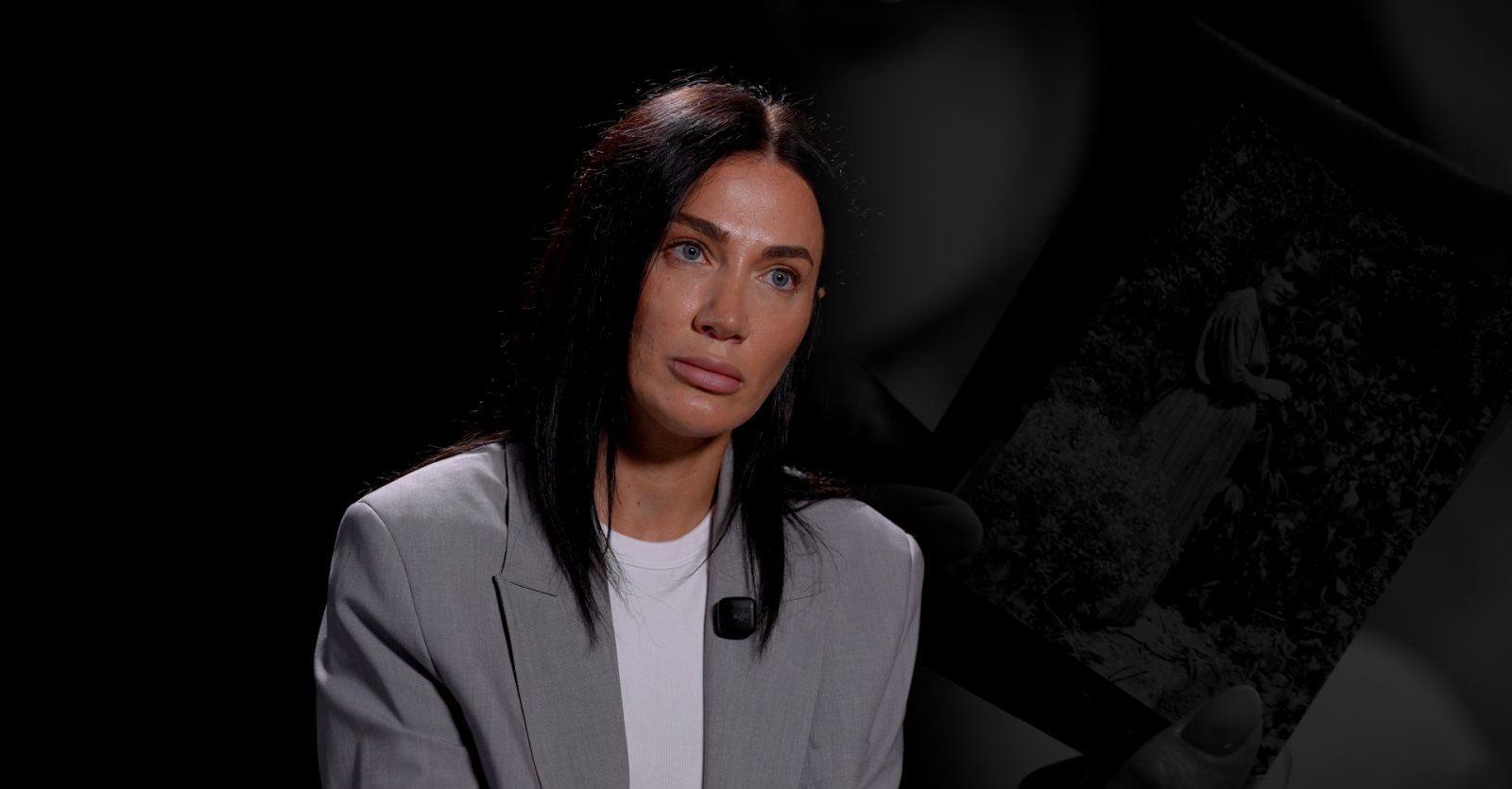
When Sanije disappeared, the rest of the family took to the mountains, and eventually joined almost a million other Kosovo Albanians in refugee camps across the border. They spent weeks in neighbouring North Macedonia, until June 1999, when NATO troops rolled into Kosovo on the heels of withdrawing Serbian forces.
Arbenita hoped her mother might be waiting for them. Instead, she found an indescribable “mess”, the family home having been occupied by Serbian police. They did not dare to take water from the well, fearing it might be poisoned.
Thousands of people were missing and rumours circulated that some were being held in Serbian prisoners. The family waited for word.
“Often I even skipped school, thinking ‘maybe she’ll come today’,” said Arbenita.
Their hopes faded when a local man, who she said had worked with the Serbian authorities, told her father: “They never entered Serbia alive; they were executed in Kosovo.”
Arbenita said they were later contacted by a Serbian police officer, whom her grandfather had spoken to the day after Sanije’s disappearance, telling them that the women might be alive. Her father understood he wanted money and was furious, she said. “It was clear we were being exploited and it was all about money,” she said.
Years later, Arbenita tracked down the officer’s phone number, called him and accused him of responsibility for her mother’s disappearance.
“He told me I was as ‘vile’ as my father, and that my mother was young and beautiful and someone had ‘taken her as a wife.’”
Sanije Selmani-Muhaxheri dreamed of becoming a primary school teacher.
Twenty-six years after her disappearance, Arbenita said she still has some of her mother’s clothes, and wore one of her dresses on her own wedding day.
A mother of two, Arbenita said: “I wish she could see my children, their success in school, the person I’ve become.”
Arbenita said the fate of those still missing from the war remains “the deepest wound” for Kosovar society, “and yet it’s not a priority for anyone”.
“I know she isn’t alive,” she said. “I just want her grave, to know where she rests.”