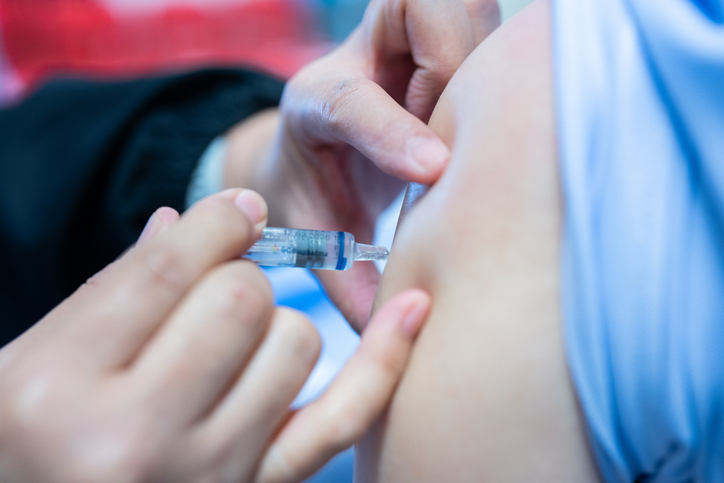
The Irish government has voiced concern over low uptake of flu vaccines as hospitalisations rise sharply, with health officials reporting influenza spreading earlier than in recent years.
The Health Protection Surveillance Centre (HPSC) confirmed 2,944 flu cases in the week starting November 30, a 49 per cent increase on the previous week’s 1,971. Hospital admissions jumped by 58 per cent to 657, while emergency department visits for flu rose 55 per cent to 1,662.
“We’re worried about the amount of people that could still get the flu vaccine. Well over three-quarters of the people in hospital at the moment with the flu aren’t vaccinated, that’s a concern,” Patrick O’Donovan, Minister for Culture, Communications and Sport, told parliament during Leader’s Questions.
Flu levels are now considered high, with the highest rates among children under 15 and adults over 80. Since the start of the season, 42 patients have required intensive care, and 13 deaths have been recorded.
Officials warned that influenza activity is appearing earlier than in previous seasons and urged the public to get vaccinated to reduce severe illness and ease pressure on hospitals.
Sharp increase in children
The latest HPSC bulletin shows influenza driving most respiratory illnesses in Ireland. GP (general practitioner) consultations for respiratory infections rose to 171 per 100,000 people in late November, up from 115 the previous week, with the sharpest increase among young children.
Flu-like illness consultations also exceeded seasonal norms, and nearly half of GP tests for flu came back positive.
Other viruses, including RSV and COVID-19, remain at low levels. COVID-19 cases increased slightly to 132 last week, with hospital admissions up 70 per cent to 56, though intensive care cases and deaths stayed low.
Health authorities said vaccination remains the most effective way to prevent severe illness from flu, RSV and COVID-19. Campaigns are targeting older adults, healthcare workers and vulnerable groups, while hospitals are reinforcing infection-control measures and surge plans.
Officials will monitor whether flu activity peaks quickly or continues into mid-winter, and whether other viruses begin to rise. “Vaccination/immunisation remains one of the most effective ways to reduce severe illness,” the HPSC said in its report.
While a burgeoning flu season is expected during winter, the sharp week‑on‑week increase suggests a level of intensity above typical seasonal patterns. Public health teams are reinforcing vaccination drives and infection-control measures across healthcare settings.
Despite the worsening flu picture, other respiratory viruses – including respiratory syncytial virus (RSV), SARS‑CoV‑2, and rhinoviruses – remained below the 10% positivity threshold, suggesting these pathogens have yet to gain broader traction.
Notwithstanding rising GP out-of-hours call volumes for cough or flu symptoms, the stable prevalence of non-influenza viruses points to influenza as the primary driver of respiratory distress in the community acute care setting.
COVID‑19 trends: cases up, impact contained
COVID‑19 incidence edged up slightly, from 2.3 to 2.6 cases per 100,000 population. Weekly case counts rose from 120 to 132. A 70% jump in hospital admissions – from 33 to 56 cases – was recorded, although ICU admissions for COVID-19 and fatalities stayed low.
Emergency department COVID‑19 attendances remained low, and hospital bed occupancy for the disease showed no signs of strain.
These trends indicate manageable pressure on hospital capacity, but the sharp rise in admissions serves as a reminder that even a mild SARS‑CoV‑2 wave can moderately tip the burden on healthcare services.
Rising flu activity at this stage typically precedes an uptick in hospitalisations and, potentially, ICU admissions. Public health authorities say they will be monitoring evolving trends closely to determine whether seasonal thresholds are surpassed.
(VA)