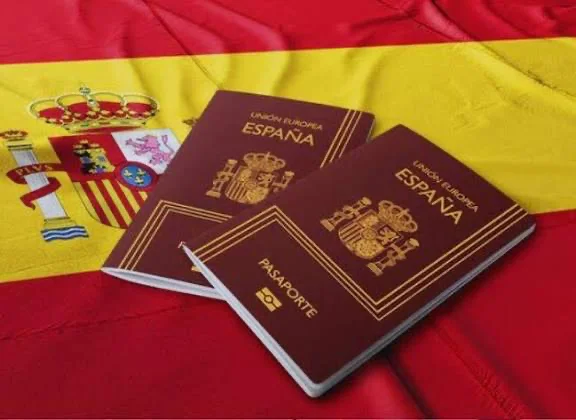
The bill on the naturalization of Sahrawis was placed on the agenda of the plenary session of the Spanish Congress of Deputies on Thursday, December 11. Lawmakers were asked to take a decisive step: whether to accept or reject the examination of this initiative, revived by the far-left Sumar coalition on November 30, 2023.
The outcome was unequivocal: a unanimous vote. Even Socialist Party (PSOE) deputies, often accused by Polisario allies of blocking the proposal, gave their approval for the text to be debated directly in plenary rather than in the Justice Commission. No date has yet been set for its final adoption.
The PSOE’s support marks a significant shift in the party’s position. In 2022, the socialists voted against a similar proposal submitted a year earlier by Unidas Podemos. In February 2023, the far-left coalition reintroduced the text to protest the holding of a new high-level Morocco–Spain meeting in Rabat without its ministers. However, the early legislative elections held on July 23, 2023, delayed the examination of the proposal.
The support expressed on Thursday, December 11, comes six weeks after the UN Security Council adopted Resolution 2797 on October 31, reaffirming the relevance of Morocco’s autonomy plan for Western Sahara.
Granting Spanish nationality could reassure thousands of Sahrawis living in the Tindouf camps, some of whom express reservations, or outright rejection, toward the idea of settling in Morocco under an autonomy arrangement.
However, such naturalization would deliver a serious blow to the Polisario Front, whose authority over a destitute population is key to justifying continued humanitarian aid and maintaining its militias. The separatist leadership has consistently opposed initiatives by its allies to facilitate access to Spanish nationality for camp residents.
It is worth noting that the majority of Polisario’s top officials already hold Spanish citizenship, starting with Brahim Ghali.