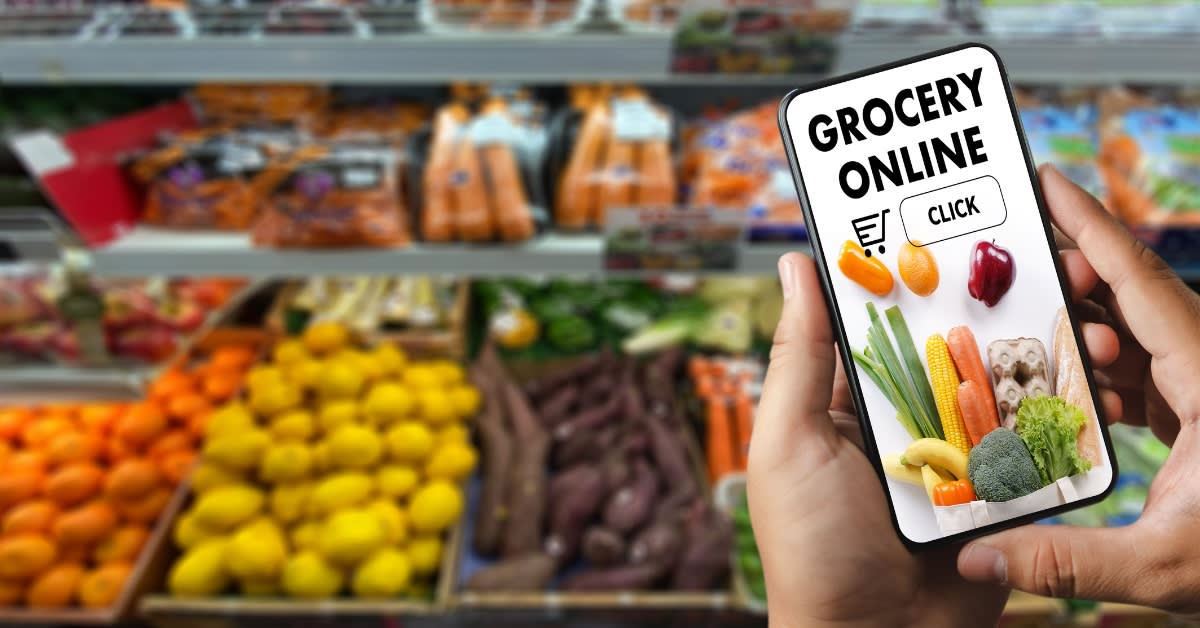
The Europe online grocery market is undergoing a profound transformation, driven by a combination of changing consumer habits, rapid digitization, and advancements in delivery logistics. According to Renub Research, the market stands at approximately US$ 178.51 billion in 2024 and is projected to reach US$ 797.34 billion by 2033, growing at an impressive CAGR of 18.09% from 2025 to 2033. This exponential rise is reshaping how millions across Europe shop for everyday essentials, signaling a shift toward a more digital, responsive, and convenience-driven grocery ecosystem.
With lifestyles becoming increasingly fast-paced—especially in densely populated urban regions—online grocery platforms have emerged as a practical solution for modern-day consumers. These platforms not only deliver convenience but also reflect broader societal shifts such as urbanization, sustainability concerns, and the adoption of smart technologies. From ready-to-eat meals to staples, beverages, meat, seafood, and fresh produce, the online grocery market is now a central pillar of Europe’s evolving retail sector.
Europe Online Grocery Market Outlook
Online grocery refers to the purchase of food, beverages, and other household essentials via digital platforms—primarily mobile apps and websites—without requiring consumers to visit a physical store. Over the past few years, Europe has experienced a rapid acceleration in online grocery adoption due to advancements in digital tools, improved logistics networks, and a rising preference for convenience.
Consumers across Europe now benefit from broad product catalogues, price comparison features, real-time stock visibility, and flexible ordering options. Delivery is typically offered through home drop-offs or click-and-collect services, allowing shoppers to choose their preferred mode based on their schedules. Importantly, online grocery shopping is not just convenient for busy urban households—it is also becoming essential for rural communities, where digital access helps overcome geographical barriers.
During the COVID-19 pandemic, online grocery platforms became indispensable, accelerating long-term adoption trends. What began as a crisis-driven shift has evolved into a normalized behaviour—a sign that digital grocery shopping is now deeply integrated into European lifestyles.
Growth Drivers of the Europe Online Grocery Market
1. Increasing Internet and Smartphone Penetration
Digital connectivity is the backbone of Europe’s expanding online grocery market. Smartphone ownership and high-speed internet have surged across the continent, dramatically widening the pool of online shoppers.
By the end of 2024, 520 million people in Europe (88% of the population) are expected to subscribe to mobile services, while mobile internet adoption will reach 471 million users (79% of the population). The increase of over 150 million new users in just a decade underscores the region’s rapid digital transformation.
User-friendly apps, quick digital payments, personalized recommendations powered by AI, and seamless browsing experiences are turning smartphone screens into busy virtual grocery aisles.
2. Growing Demand for Convenience
European consumers are increasingly prioritizing time-saving, reliability, and ease—making online grocery services a natural fit. Long queues, commuting time, and store crowding often deter in-person shopping. Online platforms eliminate these barriers by bringing groceries directly to the doorstep.
Subscription-based models add another layer of convenience, allowing consumers to automate recurring purchases such as household staples, dairy, snacks, and fresh produce. With time being an ever-scarcer commodity, convenience has shifted from a luxury to an essential driving force behind market expansion.
3. Strengthened E-Commerce Infrastructure
Europe’s e-commerce infrastructure is rapidly evolving thanks to robust investments in logistics, warehousing, cold-chain facilities, and digital technology. The CEF Digital programme—a major EU initiative—has allocated €2 billion through 2027 to strengthen digital infrastructure across member states.
Retailers are implementing real-time inventory tracking, streamlined supply chains, automated fulfilment systems, and sustainable delivery practices. With improved e-commerce architecture, the market is becoming more reliable, scalable, and efficient—encouraging wider adoption across all age groups and demographics.
Challenges Hindering Growth
1. High Operational Costs
Although the market is booming, profitability remains a major challenge. Online grocery logistics require substantial investment in temperature-controlled storage, last-mile delivery, specialized packaging, and fleet management. Since grocery retail operates on narrow margins, maintaining competitive pricing while ensuring fast, high-quality delivery is a delicate balancing act for companies.
2. Consumer Preference for In-Store Shopping
Many European consumers still prefer shopping in person, especially for perishable categories like fruits, vegetables, and fresh seafood where physical inspection matters. The tactile aspect of choosing produce is deeply embedded in European food culture and continues to hinder full-scale digital adoption.
To overcome this, online platforms are investing in stricter quality controls, improved packaging, and the assurance of fresher products—yet the challenge persists.
Key Market Segments and Trends
Online Grocery for Fruits & Vegetables
Fresh produce remains one of the fastest-growing categories in Europe’s online grocery market. Consumers increasingly prioritize healthy eating and are willing to trust digital platforms to deliver fresh, high-quality fruits and vegetables. Retailers are responding with improved sourcing, freshness guarantees, and optimized delivery schedules. Rising customer trust is helping cement fresh produce as a core driver of online grocery growth.
Online Meat & Seafood Grocery Market
Demand for premium, traceable, and sustainably sourced meat and seafood is rising across Europe. Retailers are adopting advanced packaging techniques, such as vacuum sealing and cold storage innovations, which ensure product safety and freshness. Speed and integrity are critical—especially for temperature-sensitive foods—and companies are racing to upgrade their logistics to meet evolving consumer expectations.
Subscription Purchase Market
Subscription services are reshaping grocery buying habits. From weekly meal kits to monthly pantry bundles, these models offer reliability, cost savings, and convenience. They also help retailers foster loyalty in a highly competitive market. Consumers benefit through regular delivery of household essentials and access to personalized product bundles.
Country-Level Insights
Belgium
Belgium’s online grocery market is expanding steadily, driven by rising urbanization and digital adoption. Retail giants like Carrefour and Delhaize are investing heavily in online storefronts and logistics upgrades. Brussels and Antwerp, in particular, are emerging as online grocery hotspots where convenience is deeply embedded in daily routines.
France
France boasts one of Europe’s most advanced online grocery infrastructures. Top retailers such as Leclerc and Intermarché dominate with efficient home delivery and click-and-collect services. French consumers value both convenience and premium-quality products, making online grocery an appealing choice.
In February 2022, Carrefour expanded its partnership with European online marketplace Everli, extending services to ten cities—a strategic move that accelerated nationwide adoption.
Germany
Germany’s online grocery market is rapidly rising due to heavy investments in refrigerated logistics and e-commerce solutions. Major players like REWE and Amazon Fresh are optimizing delivery networks to reach both urban and suburban customers.
In November 2024, online supermarket Knuspr partnered with Amazon to deliver groceries to Amazon Prime members under the initiative “Knuspr on Amazon,” marking a milestone in Germany’s digital grocery landscape.
Italy
Italy is witnessing strong growth as more consumers embrace digital grocery shopping, especially in busy metros such as Milan, Rome, and Naples. Demand for fresh produce, quick delivery, and premium pantry essentials is reshaping Italy’s retail dynamics. Retailers are responding with improved service quality and expanded product assortments catering to Italy’s distinct food culture.
Market Breakdown
By Products (6 categories):
Vegetables & Fruits
Dairy Products
Staples & Cooking Essentials
Snacks
Meat & Seafood
Others
By Purchaser Type (2 categories):
Subscription Purchase
One-Time Purchase
By Delivery Type (2 categories):
Click & Collect
Home Delivery
By Country (12 markets):
Belgium, France, UK, Germany, Spain, Italy, Netherlands, Norway, Sweden, Switzerland, Russia, Turkey.
Companies Analysed
Each company is evaluated by Overview, Recent Developments, and Revenue Analysis:
Tesco Plc
ICA Gruppen AB
Auchan SA
Colruyt Group
Carrefour
Costco Wholesale Corporation
Koninklijke Ahold Delhaize N.V.
Ocado Group plc
Final Thoughts
The Europe online grocery market is no longer an emerging trend—it is an established, fast-growing ecosystem set to transform how millions shop for food and essentials. With a projected value of US$ 797.34 billion by 2033, the sector is primed for enormous technological and operational advancements.
From AI-driven personalization and eco-friendly delivery to smart warehousing and improved fresh-food logistics, Europe’s grocery landscape is becoming smarter, faster, and more consumer-centric. While operational challenges and traditional shopping preferences persist, the long-term trajectory remains firmly upward.
As Europe continues to digitize, innovate, and adapt to evolving lifestyles, online grocery shopping is poised to become not just a convenience—but the default way households stock their kitchens in the decade ahead.