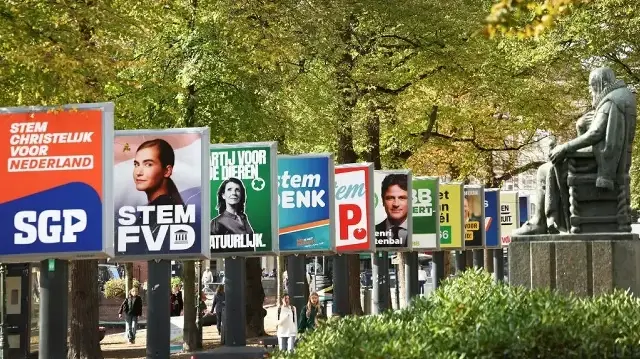
The Netherlands has embarked on a new round of coalition negotiations after a fragmented October election, with talks centering on three center and center-right parties. Political analysts state the formation’s success is pivotal for ending a period of domestic instability and rebuilding the country’s role as a reliable European Union partner.
Negotiations and EU Credibility
The negotiating parties—Democrats 66 (D66), the Christian Democrats (CDA), and the liberal VVD—collectively hold 66 seats, short of a majority in the 150-seat parliament. Elizabeth Kuiper of the European Policy Center in Brussels noted the talks’ significance, stating, “The question now is whether the Netherlands can re-establish itself as a reliable EU partner after years of instability.” The country’s influence in Brussels has been hampered by recent political crises, including four different migration ministers in one year and stalled EU policy negotiations.
Far-Right Growth and Minority Concerns
While the far-right Party for Freedom (PVV) was excluded from initial talks, DENK party lawmaker Dogukan Ergin warned of its enduring influence. He noted that although the PVV lost seats, other parties with similar ideologies gained ground, expanding the overall far-right bloc. “In the short term, the inclusion of far-right parties in government has been avoided. However, in the long term, the far-right and radical-right bloc is growing,” Ergin told Anadolu. He also reported receiving death threats during the campaign, highlighting rising hostility.
Shifting Public Opinion and Future Challenges
Ergin pointed to a significant shift in Dutch public sentiment, particularly regarding foreign policy. “In the latest polls, over 65% now believe the Netherlands should impose sanctions on Israel. This signals a pivotal moment,” he said, arguing that future governments can no longer justify unconditional support. Despite the current attempt to form a centrist coalition, analysts warn that deep political fractures and the need for a fourth coalition partner make achieving lasting stability a formidable challenge for the Netherlands.