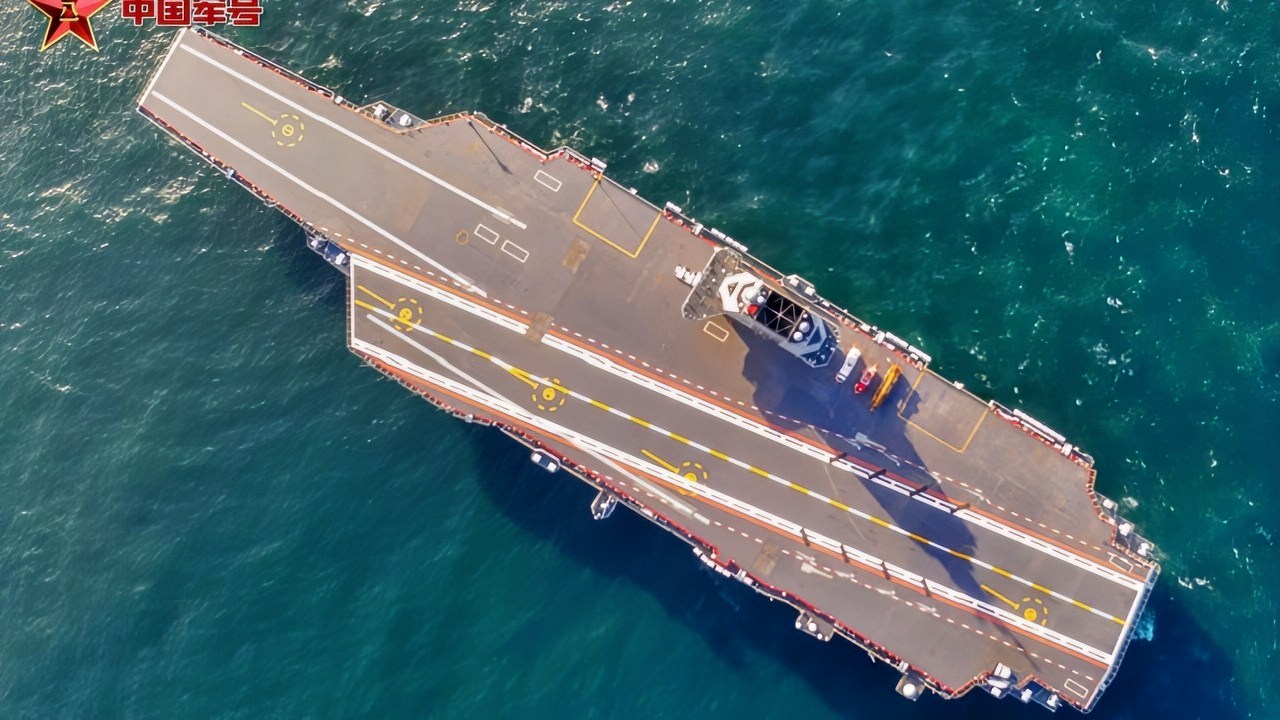
Key Points and Summary – China’s aircraft carrier Liaoning and three destroyers spent nearly a week operating around Japan’s southwestern islands, flying roughly 100 J-15 and helicopter sorties and even allegedly locking fire-control radar on Japanese F-15s.
-The carrier group transited between Okinawa and Miyako, then traced an unusual S-shaped route and circled remote Kitadaito Island, moves Tokyo sees as rehearsals for a Taiwan contingency and efforts to restrict access to the Philippine Sea.
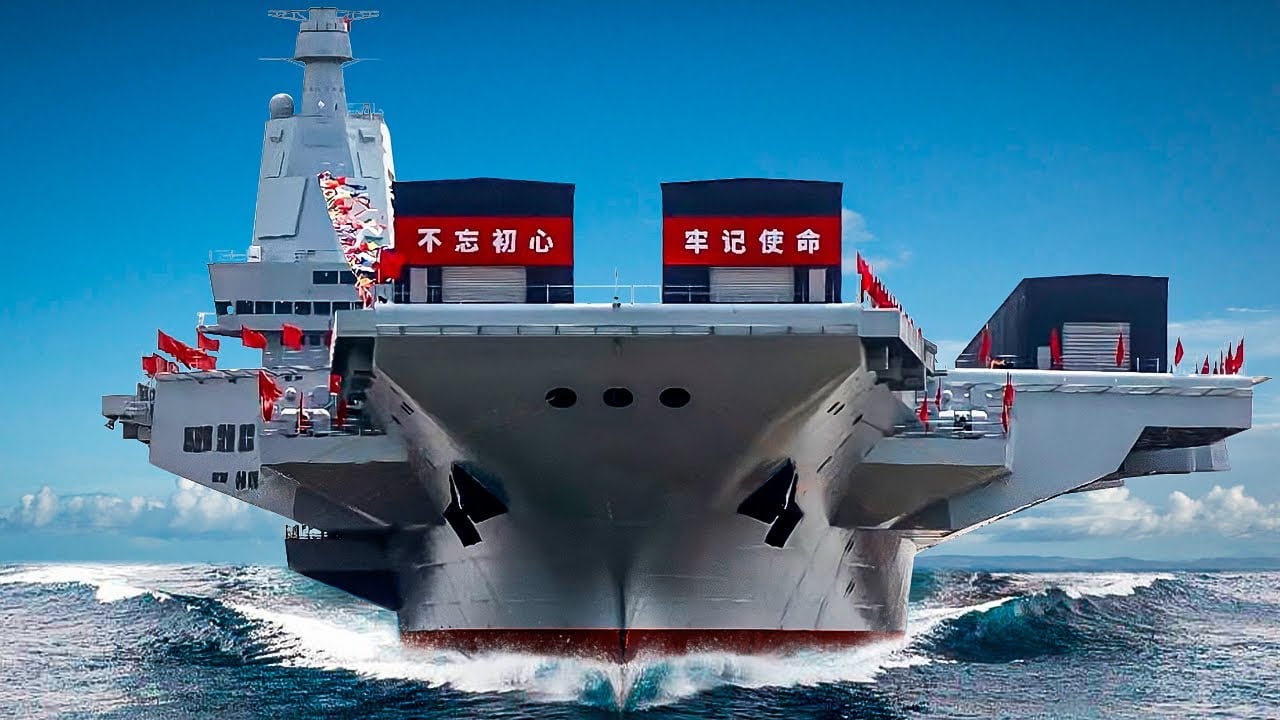
China Aircraft Carrier Creative Commons Image.
-Russia joined in with Tu-95 bombers, prompting Japanese scrambles and a rapid U.S. show of force with B-52s. For Japan, this looks less like a one-off provocation than the new normal.
China’s Aircraft Carrier Ran an ‘S-Shaped’ Drill Near Japan. Tokyo Sees a Taiwan Warning
Chinese aircraft carrier Liaoning just spent nearly a week conducting intensive operations near Japan’s southwestern islands, prompting Japanese forces to scramble jets and a diplomatic clash over radar-locking incidents.
A rapid show of force by the United States also followed the incident, creating what amounted to a multi-day escalation beginning on December 5.
The series of events was one of the most visible demonstrations of Chinese carrier capabilities in Japan’s immediate periphery, and has prompted concerns in Tokyo that these drills may now be becoming routine.
According to the Japanese Ministry of Defense, the Liaoning and three accompanying destroyers left the East China Sea on December 5. They transited between Okinawa and Miyako Island the next day before executing an unusual S-shaped training route that carried the carrier group northeast along the Japanese archipelago.
The formation then reportedly turned clockwise around Japan’s remote Kitadaito Island on December 8-9, effectively circling the territory as Chinese aircraft conducted waves of flight operations. According to Tokyo, roughly 100 takeoffs and landings of J-15 fighters and helicopters were recorded from December 5-9 as Japan tracked the group with the Maritime Self-Defense Force destroyer Teruzuki.
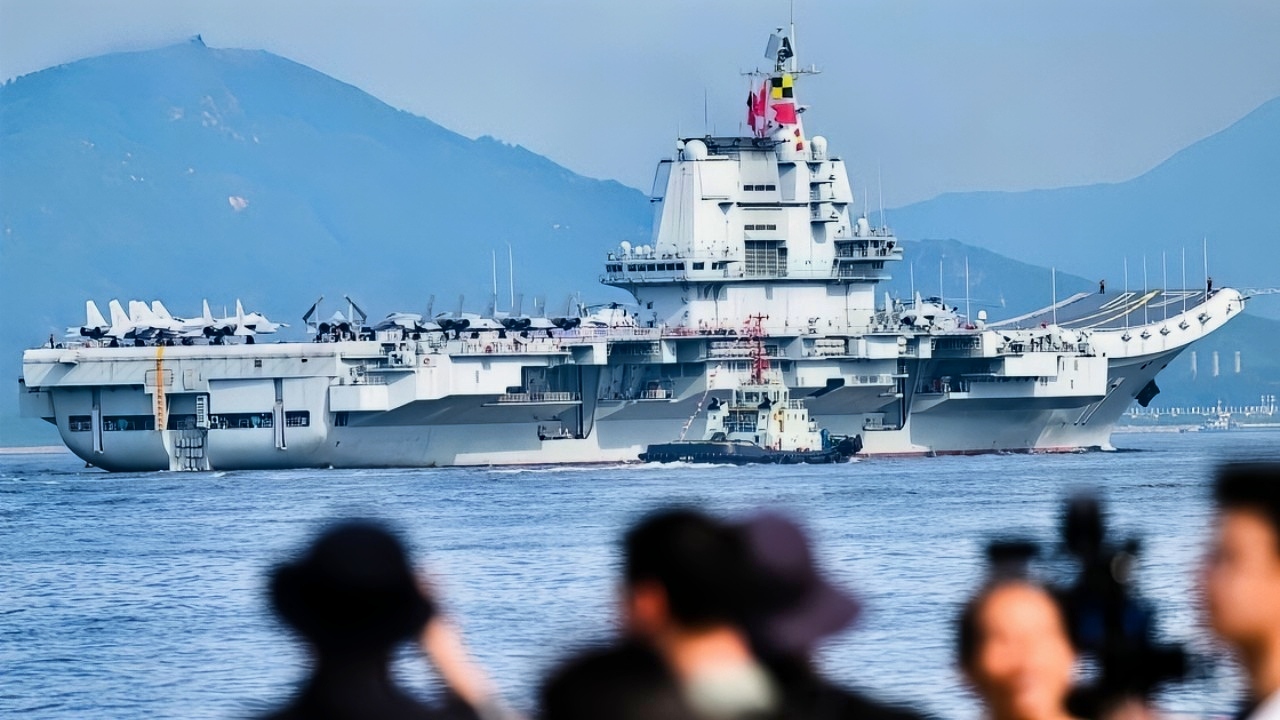
China Aircraft Carrier in Port. Image Credit: Chinese Navy.
The drills were accompanied by long-range activity from both China and Russia.
On December 9, two Russian Tu-95 bombers joined two Chinese H-6 bombers over the East China Sea, then flew between Okinawa and Miyako Island and out toward the Pacific, later returning along the same route. They were joined at one point by four Chinese J-16 fighters.
Japan scrambled fighter jets multiple times over almost a week, including on the weekend of December 7, when Tokyo says Chinese J-15s operating from the Liaoning locked their fire-control radar on Japan Air Self-Defense Force F-15s in two separate incidents southeast of Okinawa.
The Japanese Defense Ministry said one lock-on lasted for several minutes around 4:32 pm, and again for roughly thirty minutes at around 6:37 pm.
Tokyo formally protested the actions, describing them as dangerous and destabilizing, but Chinese officials rejected the allegation, accusing Japanese aircraft of frequent close-in reconnaissance and of disrupting their training area.
A Chinese navy spokesman said that the carrier strike group was conducting flight training and that during the process, Japanese forces repeatedly approached the Chinese navy’s training airspace and posed a threat to flight safety., However, the spokesperson did not respond to accusations about the radar lock-ins.
Beijing also released audio purporting to show a Chinese naval vessel notifying Japanese counterparts of upcoming operations and receiving verbal acknowledgement. Japan denies receiving any formal notice through standard channels, however, and claims that its jets maintained a safe distance throughout the entire exercise.
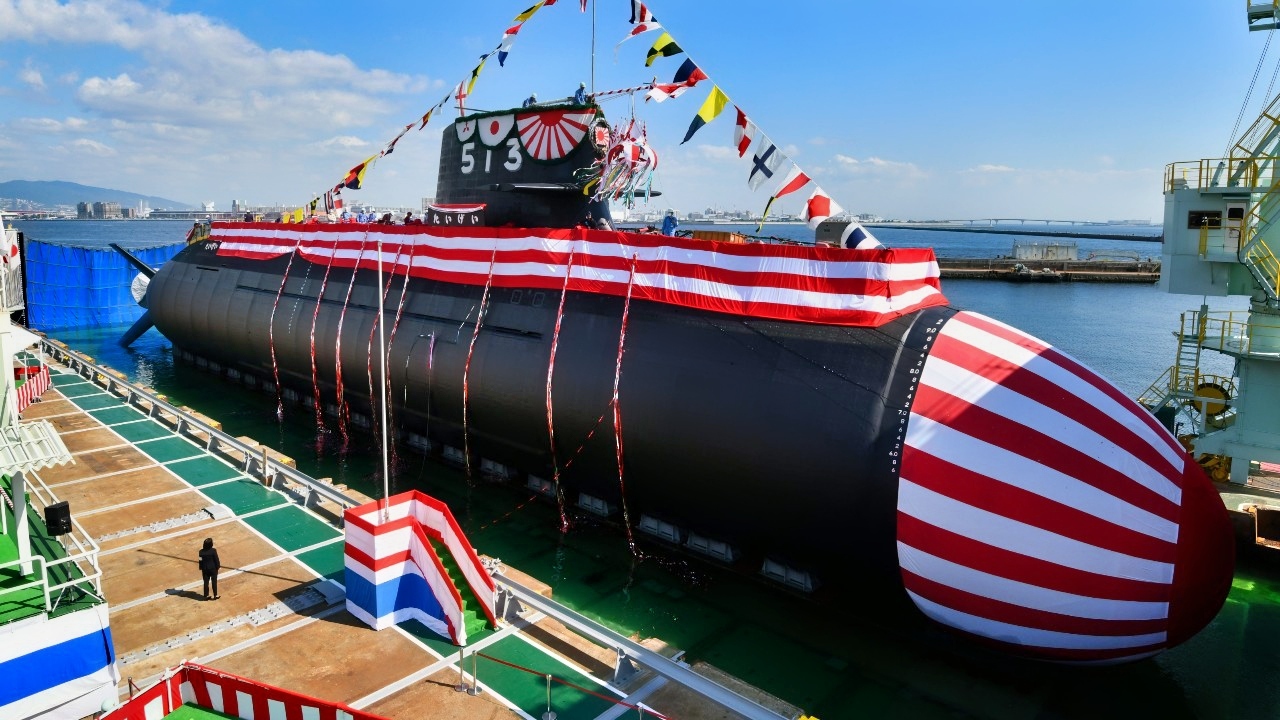
Taigei-Class Submarine from Japan. Image Credit: Creative Commons.
Defense Minister Shinjiro Koizumi insisted that Japanese aircraft did not illuminate Chinese fighters with radar and dismissed China’s account as inaccurate.
The New Regional Reality
The week of activity surrounding the Liaoning reinforces longstanding concerns in Tokyo that Chinese carrier operations near Japan’s southwestern islands are shifting from occasional demonstrations to a more persistent strategic challenge and presence.
Japanese officials are warning that the unusual S-shaped route and its clockwise movement around Kitadaito Island resemble drills intended not only to showcase naval aviation capabilities but also to simulate scenarios relevant to a potential incident in Taiwan.
Under such a contingency, Chinese forces may attempt to restrict Japanese or U.S. access to the Philippine Sea, and these recent incidents could indicate that the naval troops are preparing for such an event.
The U.S. responded quickly to the recent events, conducting joint drills with Japan the day after Chinese and Russian bombers carried out a long-range flight between Okinawa and Miyako Island.
Two U.S. B-52 strategic bombers flew alongside Japanese F-35s and F-15s to demonstrate allied readiness and what Washington has described as its “unwavering” commitment to Japan’s security.
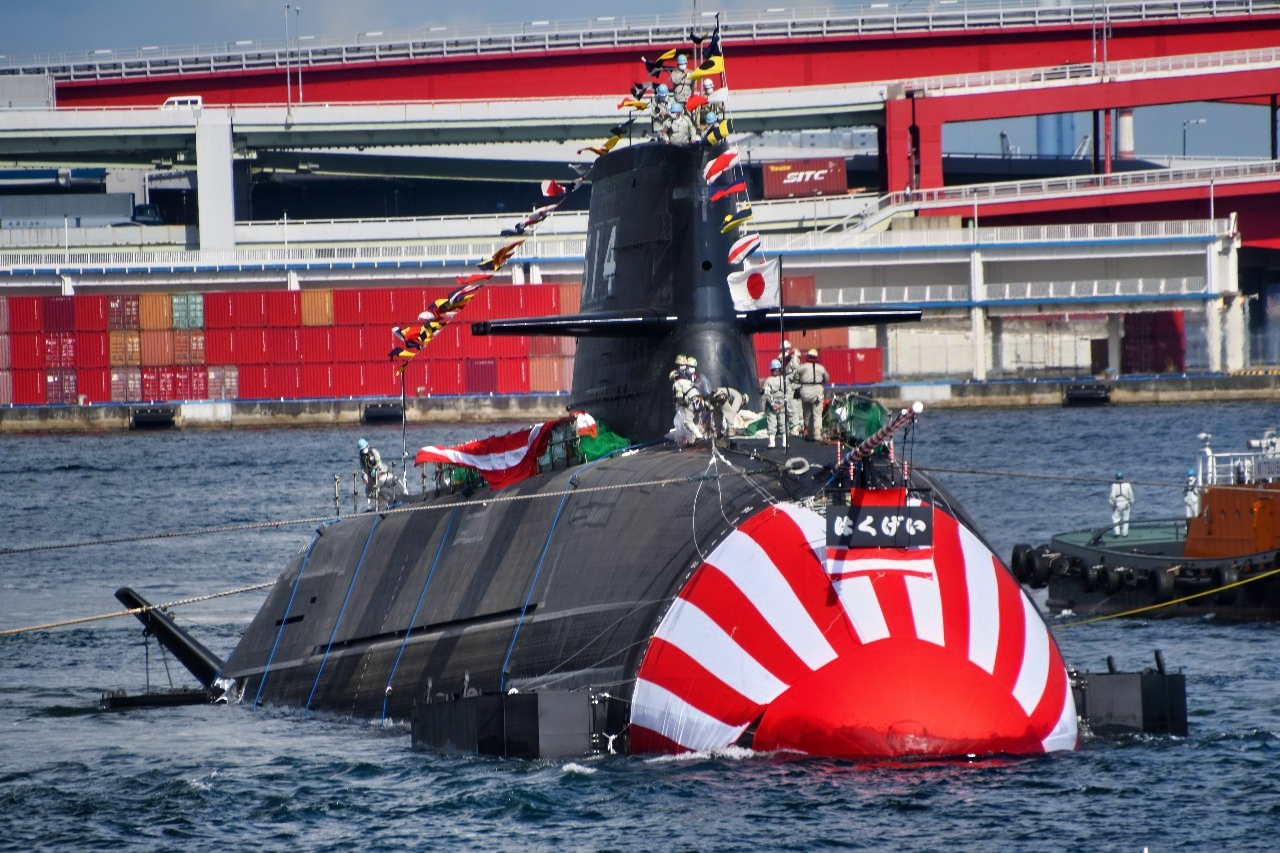
Taigei-Class Submarine from Japan. Image Credit: Creative Commons.
As this kind of activity becomes more commonplace in the region, officials in Tokyo are suggesting that the greater concern lies not in any single incident but in the cumulative effect of the increasingly complex Russian-Chinese operations near Japan’s air and maritime space, The drills have shown how quickly routine activity can escalate into a diplomatic dispute, especially as both sides contest narratives around radar use and airspace behavior.
And, with Washington signaling that these encounters are not conducive to regional peace and stability, Japan now faces a new strategic environment in which heightened vigilance may become the norm.
About the Author:
Jack Buckby is a British author, counter-extremism researcher, and journalist based in New York who writes frequently for National Security Journal. Reporting on the U.K., Europe, and the U.S., he works to analyze and understand left-wing and right-wing radicalization, and reports on Western governments’ approaches to the pressing issues of today. His books and research papers explore these themes and propose pragmatic solutions to our increasingly polarized society. His latest book is The Truth Teller: RFK Jr. and the Case for a Post-Partisan Presidency.