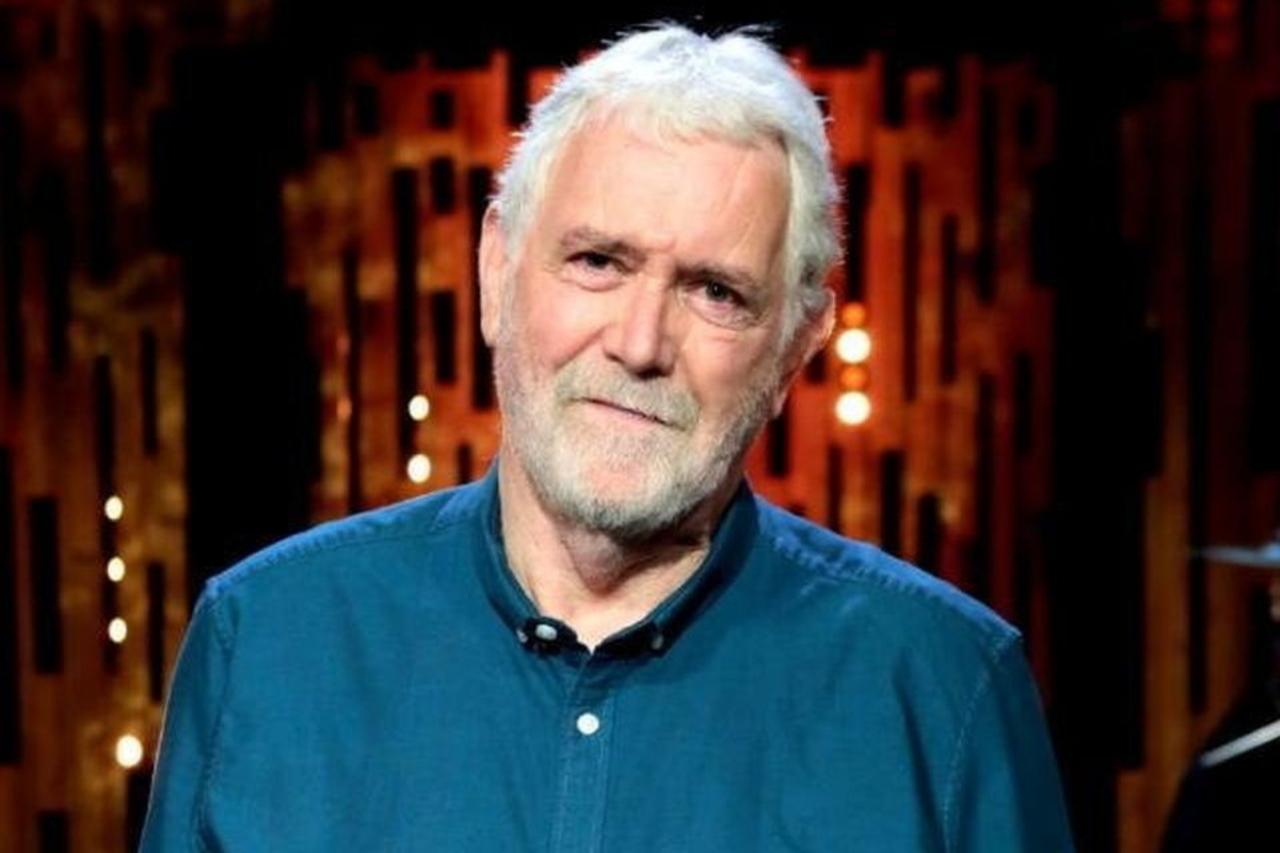
Charlie McGettigan, the Irish singer who won the 1994 Eurovision Song Contest, accessed on Dec. 13, 2025. (Photo via Irish Independent)
December 13, 2025 02:03 AM GMT+03:00

Charlie McGettigan, the Irish singer who won the 1994 Eurovision Song Contest, has announced he will return his award to protest the European Broadcasting Union’s decision to allow Israel to compete in the 2026 competition.
The Ireland Palestine Solidarity Campaign shared McGettigan’s announcement on social media, posting a video in which the veteran performer declared his support for Nemo, the Swiss artist who won the 2024 contest and made a similar pledge one day earlier.
McGettigan stated he wants to send his award back to the EBU in solidarity with Nemo’s protest. “Our victory was in 1994 and unfortunately I cannot find the trophy we received at that time, but if I find it, I will also return my award,” he said in the video.
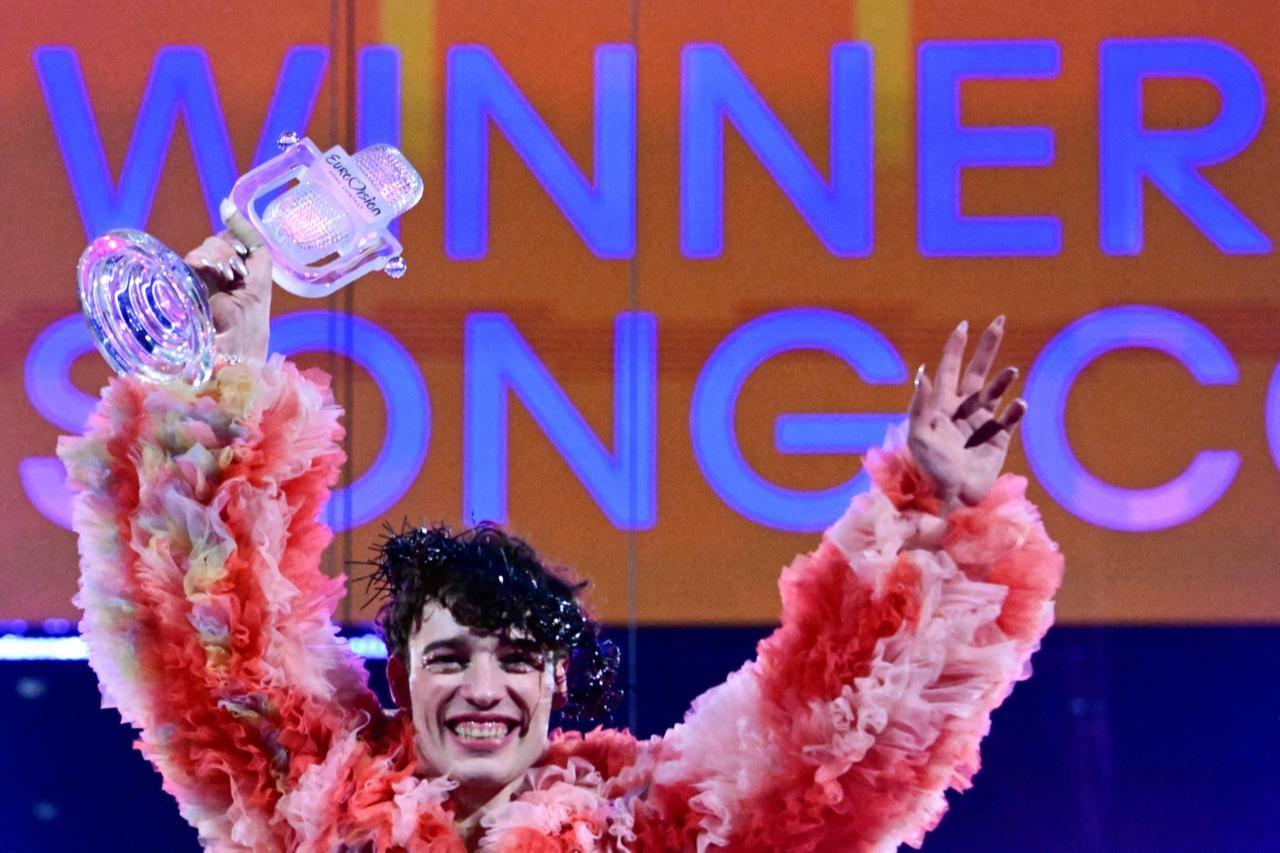

Swiss singer Nemo representing Switzerland with the song The Code celebrates on stage with his trophy after winning the final of the 68th Eurovision Song Contest (ESC) at the Malmo Arena in Malmo, Sweden on May 11, 2024. (AFP File Photo)
Swiss winner sparks wider protest movement
Nemo announced the previous day that they would return their 2024 trophy in response to Israel’s inclusion in the upcoming competition. The decision by the 2024 champion appears to have galvanized support from past winners, with McGettigan becoming the first former contestant to join the protest publicly.
The Eurovision Song Contest, which began in 1956, has long served as Europe’s premier international music competition, bringing together broadcasters from across the continent and beyond. Winners receive a glass microphone trophy, though the contest’s prestige often provides a significant career boost for performers.
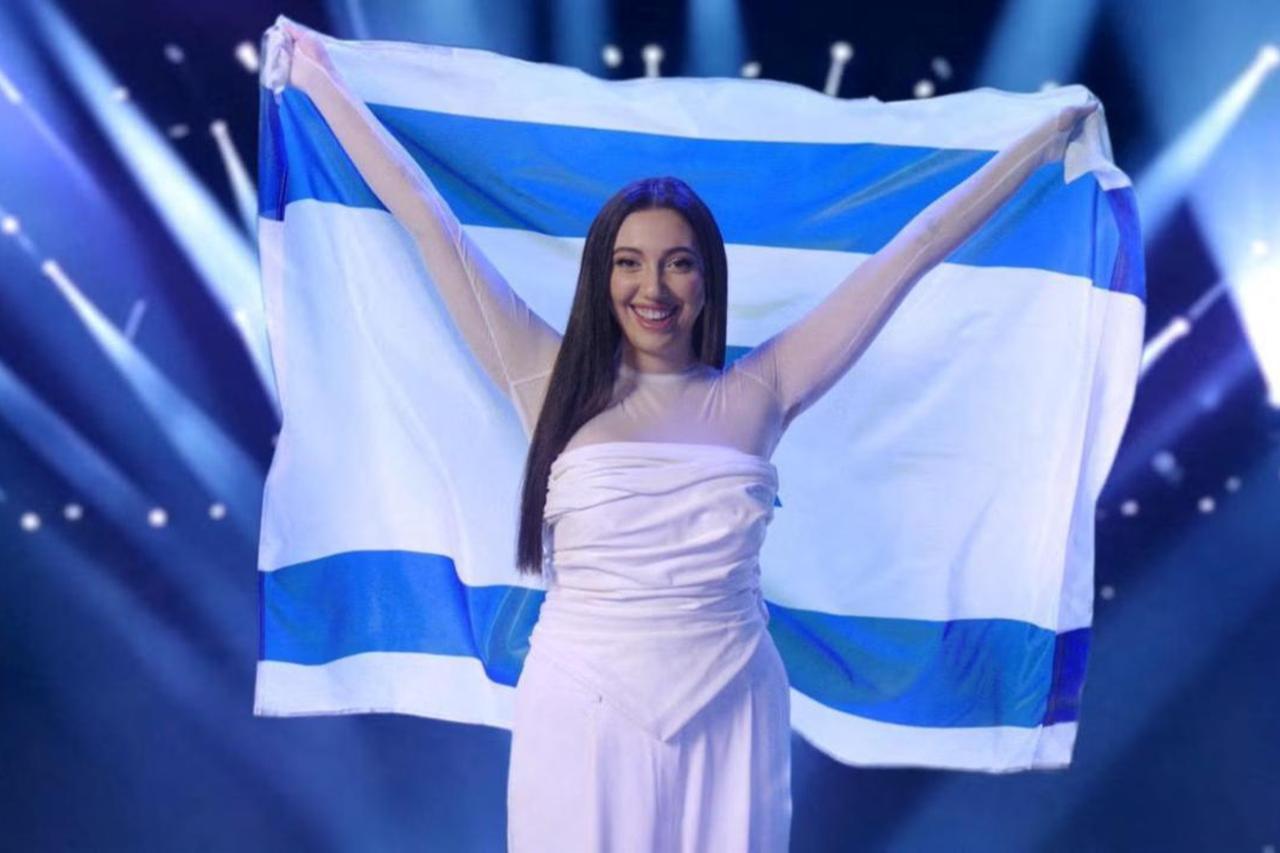
Israel’s Eurovision Song Contest representative Yuval Raphael. (Photo via X/@Sarah_Gary)
Multiple broadcasters withdraw from competition
Five national broadcasters have pulled out of Eurovision following the EBU’s decision at its 95th General Assembly meeting held December 4 in Geneva, Switzerland. State television networks from Spain, the Netherlands, Slovenia, Ireland, and Iceland announced their withdrawal from the 2026 contest to protest Israel’s participation.
The withdrawals represent a significant fracture in the traditionally inclusive competition, which has historically emphasized unity through music despite political tensions. The EBU has not yet publicly responded to either the broadcaster withdrawals or the award returns by contest winners.
Growing pressure on Eurovision organizers
The coordinated response from both past winners and current broadcasting members puts substantial pressure on the EBU as it prepares for the 2026 competition. The organization faces the challenge of mounting the contest without several traditionally strong participants while managing criticism from within its own community of former champions.
McGettigan won Eurovision in 1994 alongside Paul Harrington with the song “Rock ‘n’ Roll Kids,” giving Ireland its sixth victory in the competition. Ireland remains the contest’s most successful country historically, though it has not won since 1996.
December 13, 2025 02:03 AM GMT+03:00