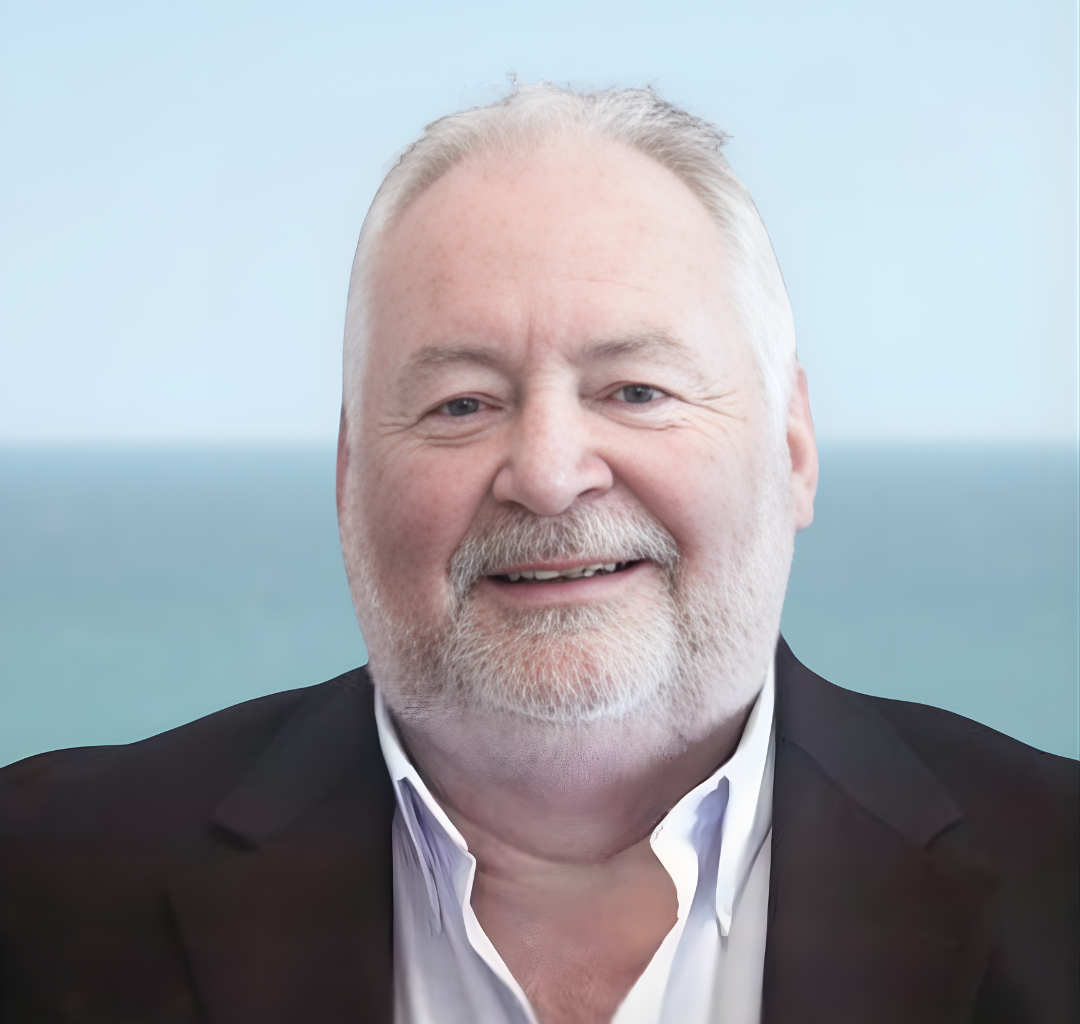
As he and his team bring the final plots at Reserva da Luz to market and prepare for the launch of the Nova Terraces apartments in early 2026, Gerry offers insights shaped by decades of experience in development, investment, and long-term market strategy.
Over the last 25 years, how has the profile of people choosing Portugal changed, particularly in terms of families relocating and creating long-term roots here?
When I look back to the early 2000s, Portugal was already a destination people loved, but their relationship with the country was very different. Most international buyers viewed Portugal as a place for holidays or seasonal living. Families came for the lifestyle, yes, but they weren’t necessarily putting down long-term roots.
Fast forward to 2025, and the shift has been remarkable. Today, we’re seeing people choosing Portugal not just as a retreat, but as their primary home. The age profile has become noticeably younger, and the demographic far more diverse. Families with school-aged children, young professionals, and entrepreneurs are increasingly relocating here with the intention of building a future, not just spending summers.
What’s driven this change is a combination of lifestyle appeal and Portugal’s growing global reputation as a stable, welcoming, and forward-looking country. People feel confident that Portugal offers the right balance of safety, education, community, and opportunity to support long-term living. It’s a major evolution from 25 years ago, and one that has fundamentally reshaped the real estate landscape.
With remote work now the norm, how has Portugal adapted to support people who want to balance career, lifestyle, and wellbeing in ways that weren’t possible decades ago?
One of the defining transformations has been the country’s rapid adaptation to remote and flexible working. Two decades ago, infrastructure simply didn’t support the lifestyle many people enjoy today.
Connectivity was limited, coworking spaces were virtually non-existent, and the idea of digital nomad communities was still emerging globally.
Today, Portugal is exceptionally well-positioned for modern working patterns. High-speed internet is widely available, even in more rural or coastal areas. A strong ecosystem of coworking environments and innovation hubs has taken root. Remote-working communities, from the Algarve to Lisbon, Porto, and island regions, now provide a built-in social and professional structure for newcomers.
Property design has evolved accordingly. Homes aren’t just leisure spaces; they’re multi-use environments designed for everyday life and productivity. A good example is our future Nova Terraces project, where we’ve incorporated flexible layouts and private work areas that support both living and working seamlessly. This level of integration simply wasn’t part of the conversation 20 years ago.
Portugal’s ability to combine professional connectivity with a lifestyle centred around wellbeing – sunlight, nature, safety, and community – is now one of its strongest differentiators.
We’ve seen interest grow across the Algarve and into emerging regions. What changes on the ground – local investment, community development, new services – are driving this wider spread of demand?
In 2000, demand was very concentrated: the central Algarve and major cities were the primary focus for international buyers. Much of the region beyond those pockets felt more remote simply because the infrastructure wasn’t in place. It’s easy to forget that key parts of the Algarve’s highway network didn’t even exist then, meaning accessibility was limited.
Today, the transformation is extraordinary. You can easily reach any part of the Algarve, or indeed any part of Portugal, thanks to national infrastructure investments, improved highways, upgraded airports, and strong regional connectivity. This accessibility has opened up areas that previously felt “too far,” making the entire Algarve not just viable but highly desirable.
We’re also seeing investment in healthcare, education, hospitality, retail, and cultural services across regions that once had fewer amenities. As a result, communities are becoming more vibrant and self-sustaining. Cities and towns are increasingly attractive for people who value proximity to services, while coastal and countryside areas draw those looking for tranquility without sacrificing convenience.
This combination of improved infrastructure, high-quality services, and strong community development has created a more balanced and diversified map of demand, something we simply didn’t see in the early 2000s.
Portugal continues to offer strong rental and resale performance. What gives buyers long-term confidence in the market as it matures?
The confidence people have in Portugal is built on something deeper than short-term trends. Portugal is consistently enjoyed by a wide range of nationalities, and for multiple reasons, whether cultural heritage, gastronomy, climate, sports, wellness, or the country’s reputation for safety and hospitality.
This broad, diversified appeal creates a resilient underlying market. Buyers know that demand isn’t coming from any single group or depending on a single economic cycle. It’s driven by global interest in quality of life, something Portugal excels at delivering.
Additionally, the country’s stability, transparency, and long track record of welcoming international residents contribute to trust. Strong tourism fundamentals support rental markets, while sustained improvements to infrastructure and services continue to underpin long-term value.
Even as the market matures, buyers see Portugal as a place where lifestyle and investment align, where they can enjoy their property while also knowing it holds strong potential for future rental or resale performance.
To learn more about Gerry Fagan and the developments DDM is currently delivering, please visit www.ddm.pt or contact info@ddm.pt / (+351) 967 336 914.