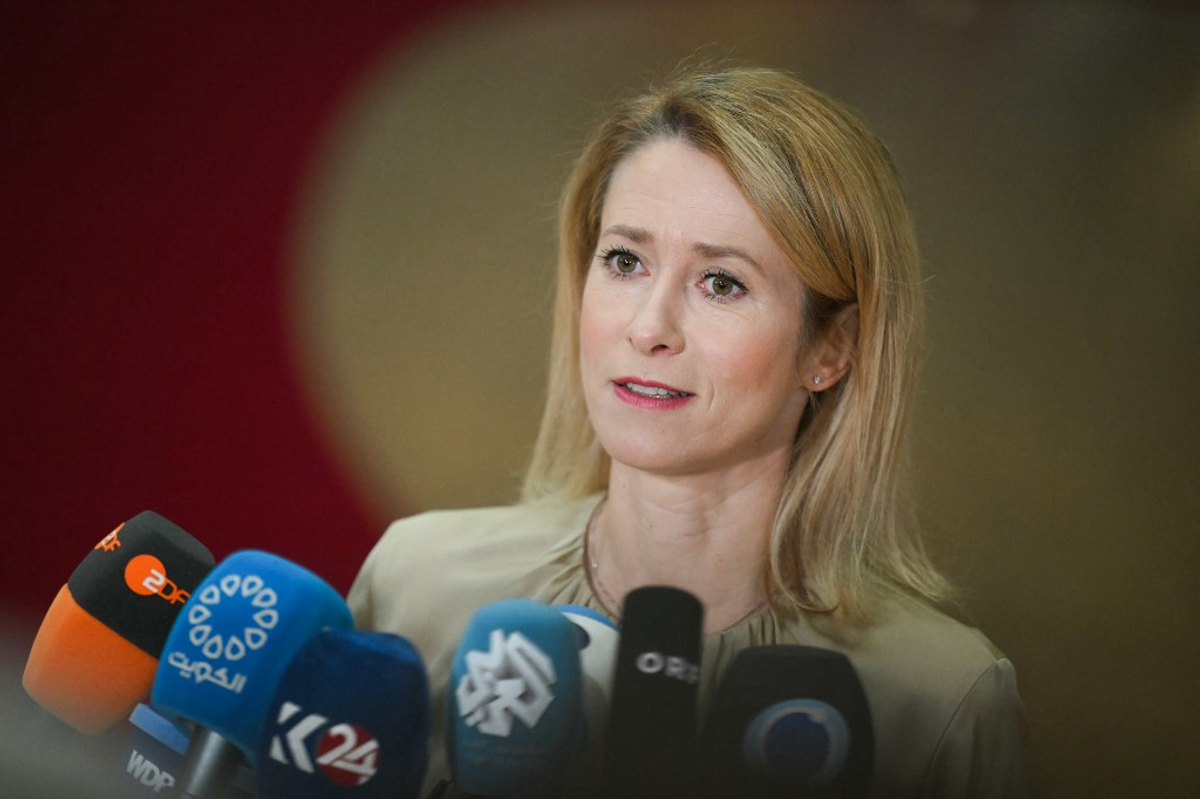
Any peace deal to end Russia’s war in Ukraine will only last if Moscow makes real concessions, including limiting the size of its armed forces and curbing its growing military budget, the EU’s top diplomat has said.
In an interview with the Italian daily Corriere della Sera published on Friday, Kaja Kallas, the EU’s foreign policy chief, warned that without meaningful concessions from Moscow, Europe risks facing new conflicts elsewhere.
Follow our coverage of the war on the @Kyivpost_official.
“The problem for peace is Russia,” Kallas said, adding: “Even if Ukraine received security guarantees, without concessions from the Russian side, we would have other wars, perhaps not in Ukraine but elsewhere.”
Her remarks come as U.S. officials continue shaping a peace proposal aimed at ending Europe’s bloodiest conflict since World War II — one that has to be acceptable to both Kyiv and Moscow.
Russia lacks ‘genuine will for peace’
Kallas said that Kyiv and its allies “certainly welcome the momentum toward peace that the U.S. administration is showing,” but cautioned that Russia lacks a “genuine will for peace.”
“It [Russia] is constantly bombing Ukrainian civilians and civilian infrastructure,” she told Corriere della Sera, stressing that “first we need to see a ceasefire.”
She said that in order to achieve sustainable peace, it is necessary to ensure that “Russia does not attack again”, adding that this requires clear concessions from Moscow.
Other Topics of Interest
Trump Admin Marks International Human Rights Day With Silence
Shift to trade and “unalienable rights” signals retreat from democracy promotion. One Senator stands alone calling out abuses by Russia, Georgia and beyond.
“We need concessions from Russia, whether that means limiting its army or restraining its military budget,” said Kallas, who served as Estonia’s prime minister from 2016 to 2021.
Moscow has significantly increased its military budget in recent years, diverting vast resources toward the defense industry to sustain its war in Ukraine.
In contrast, many European nations have historically maintained smaller defense budgets, relying heavily on Washington under the post–World War II security architecture.
However, the war in Ukraine, now approaching its fourth year, has prompted a sharp shift, pushing EU members to boost military spending and strengthen their own defenses.
Growing pressure from US
Ukraine, meanwhile, is under growing pressure from the White House to move quickly toward a settlement, even as it resists elements of a U.S.-backed proposal unveiled last month that Kyiv and many European capitals viewed as overly favorable to Moscow.
A French presidential official said on Friday that Ukraine, the United States and key European powers are still trying to forge a joint position that would outline the contours of a potential peace deal—including security guarantees for Kyiv—that could ultimately be presented to Russia.
“Our goal is to have a common foundation that is solid for negotiation. This common ground must unite Ukrainians, Americans and Europeans,” the official told reporters, adding that the aim was to craft “a solid, lasting peace offer that respects international law and Ukraine’s sovereign interests” and that U.S. negotiators would be prepared to take to Moscow.
The official said there was no joint document yet, but consultations would continue in the coming days through calls and meetings.