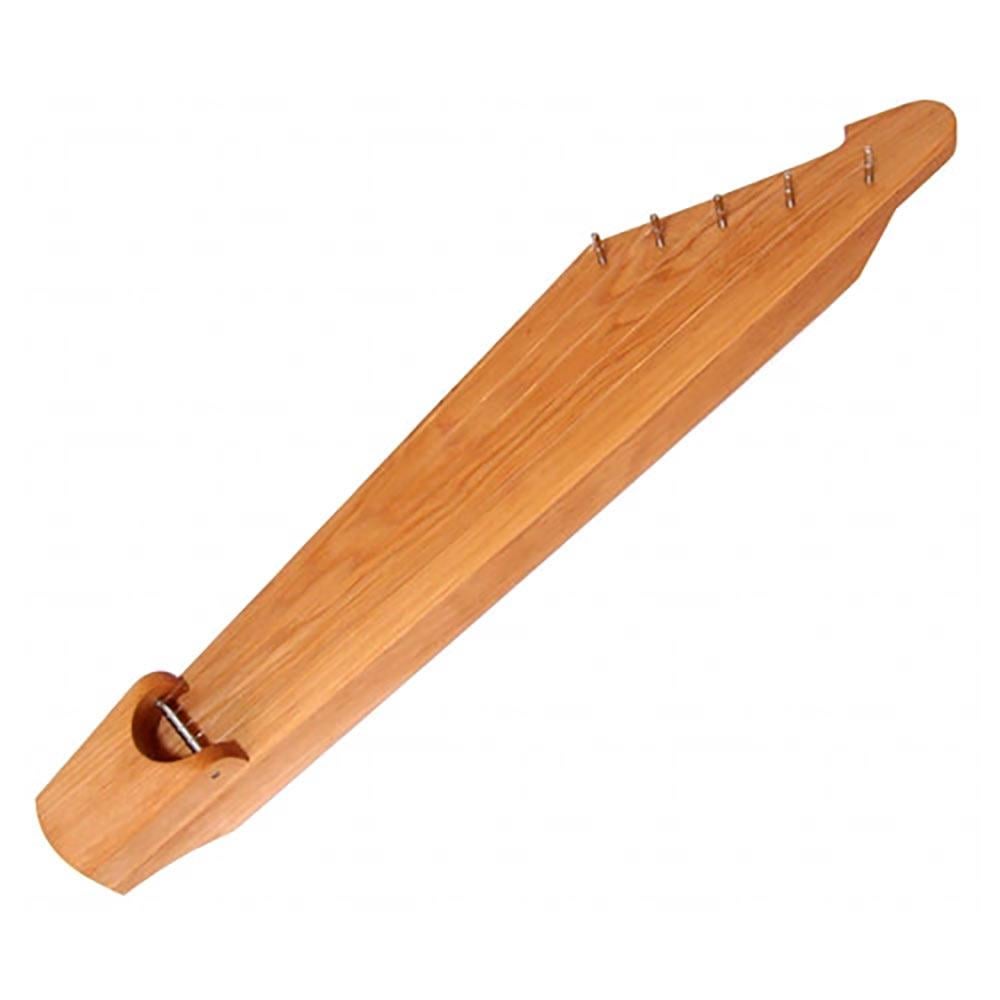
“In the old days, the kantele was always made of one tree, which was carved from above or below. There are a couple of hundred of these old kanteles in the museums. The method of carving sharply divides the kanteles into two regional groups, north and south. The border of these areas runs roughly along the route Kokkola – Jyväskylä – Joensuu, perhaps a little north of it. In the northern area, the tree was carved from the bottom and the kantele was left bottomless. In the southern region, the kantele was curled from above and the sink was covered with a lid, which was attached to the cot with birch bark rods or wood or iron nails.” that’s all i can find on the wiki. But is there any visual descriptors of this difference? Any good articles on it?
the ability to endure hard ripping, earthquake making, sky splitting, soul stealing, heavy metal riffs.
trve kantele, has bass strings, thick as carpenters fingers.
2 comments
“In the old days, the kantele was always made of one tree, which was carved from above or below. There are a couple of hundred of these old kanteles in the museums. The method of carving sharply divides the kanteles into two regional groups, north and south. The border of these areas runs roughly along the route Kokkola – Jyväskylä – Joensuu, perhaps a little north of it. In the northern area, the tree was carved from the bottom and the kantele was left bottomless. In the southern region, the kantele was curled from above and the sink was covered with a lid, which was attached to the cot with birch bark rods or wood or iron nails.” that’s all i can find on the wiki. But is there any visual descriptors of this difference? Any good articles on it?
the ability to endure hard ripping, earthquake making, sky splitting, soul stealing, heavy metal riffs.
trve kantele, has bass strings, thick as carpenters fingers.
Comments are closed.