IN A NUTSHELL
🏛️ The U.S. House passes a bill to expedite federal permitting for interstate natural gas pipelines.
🔄 The Federal Energy Regulatory Commission is designated as the lead agency in the permitting process.
🌱 Critics express concerns about potential impacts on environmental safeguards and local oversight.
🗳️ The Senate is working on separate legislation to reform the National Environmental Policy Act.
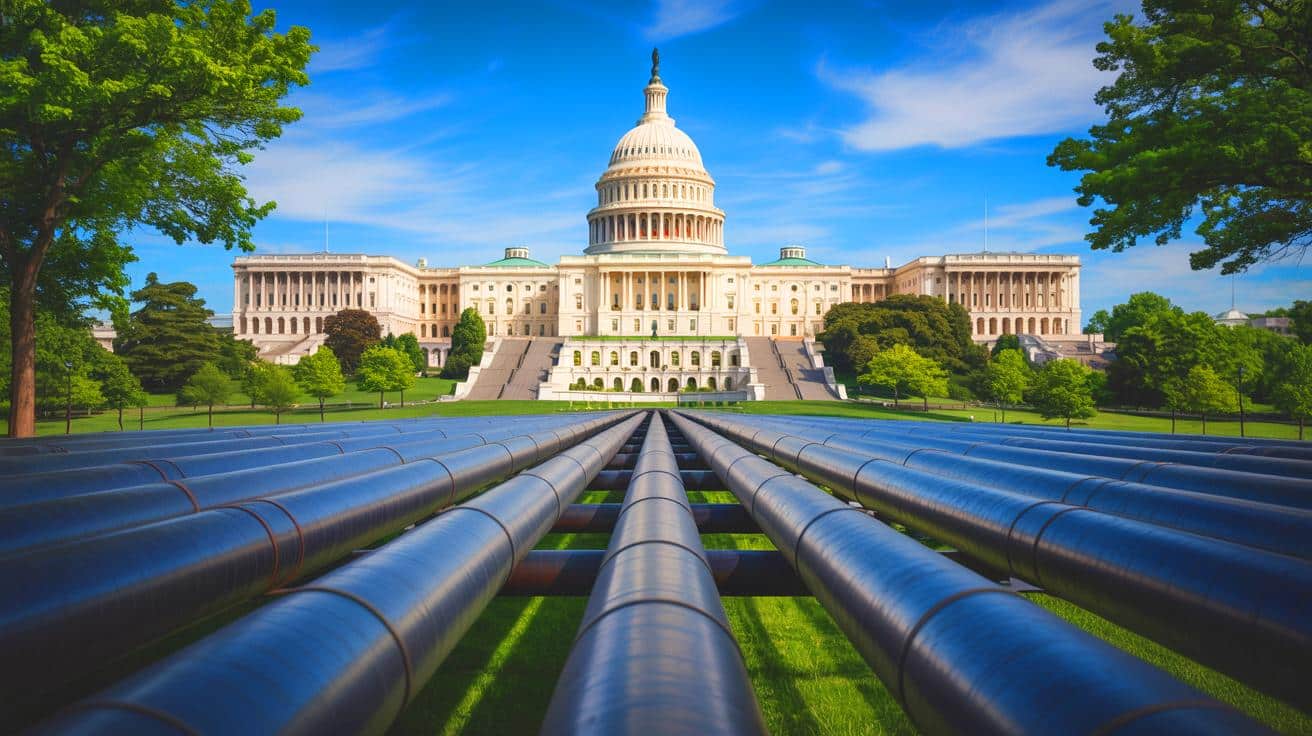
The U.S. House of Representatives has taken a pivotal step in reshaping the permitting process for interstate natural gas pipelines. By passing the Improving Interagency Coordination for Pipeline Reviews Act, the House aims to expedite the federal permitting process, designating the Federal Energy Regulatory Commission (FERC) as the lead agency. This move is expected to streamline the often lengthy and cumbersome approval process, potentially leading to quicker development of energy infrastructure across the country. As energy demands continue to rise, this legislative shift could have significant implications for both energy companies and consumers.
Streamlining the Permitting Process
The passage of the bill by a vote of 213-184 marks a concerted effort by lawmakers to address inefficiencies in the current permitting system. Traditionally, interstate pipeline projects have faced delays due to multiple layers of regulatory oversight, particularly involving water quality certifications under the Clean Water Act. By allowing FERC to include water quality assessments in its environmental review process, the bill seeks to eliminate the need for separate state certifications, which have often been a bottleneck.
This legislative push comes amid growing concerns about the adequacy of existing infrastructure to meet increasing energy demands. With data centers and other high-energy-use facilities proliferating, the need for rapid expansion of the energy grid is more pressing than ever. Moreover, the bill is part of a broader legislative agenda aimed at reducing household energy costs, which have been on the rise. By expediting infrastructure development, the hope is to create a more reliable and affordable energy supply.
US LNG Export Dominance Faces Challenge as Sellers Explore New Markets Beyond Europe’s Energy Demand
Support and Opposition
The bill has garnered support from various stakeholders, including industry groups and some policymakers who view it as a necessary step towards modernizing America’s energy infrastructure. American Petroleum Institute President Mike Sommers emphasized the importance of the legislation, stating,
“These bills help unlock the infrastructure America needs to meet growing demand for affordable, reliable energy.”
However, the bill is not without its critics. Environmental groups and some state governments have expressed concerns about the potential weakening of environmental safeguards. They argue that by reducing state involvement in the permitting process, the bill could lead to insufficient consideration of local environmental impacts. This tension highlights the ongoing debate between advancing infrastructure and preserving environmental integrity.
The Broader Legislative Landscape
The House’s action is part of a larger legislative effort to reform energy permitting processes. Another bill, Promoting Efficient Review for Modern Infrastructure Today, has also passed with bipartisan support, signaling a strong desire across party lines to tackle energy infrastructure challenges. The Senate is concurrently working on its own set of reforms, focusing on amendments to the National Environmental Policy Act (NEPA).
US LNG Exports Surge to Record Highs in November, Driven by Cooler Weather and Robust Production
NEPA, a cornerstone of environmental legislation, mandates rigorous environmental reviews for major infrastructural projects. The Senate’s proposed reforms aim to streamline these reviews, potentially facilitating quicker upgrades to electric transmission lines and other critical infrastructure. As both chambers of Congress work on complementary but distinct legislative paths, the outcome could significantly reshape how energy projects are developed and approved in the United States.
Potential Impacts on Energy Costs and Infrastructure
If successful, these legislative efforts could lead to substantial changes in the energy landscape. By reducing the time and complexity involved in pipeline permitting, companies may be more willing to invest in new projects, potentially increasing the availability of natural gas and other energy resources. This could, in turn, lead to lower energy costs for consumers, who have been bearing the brunt of rising prices.
Moreover, enhanced energy infrastructure could improve reliability and reduce the risk of outages, especially as the country transitions to more renewable energy sources. However, the balance between speed and environmental protection remains a delicate one. Policymakers will need to ensure that the push for efficiency does not come at the expense of environmental standards and public health.
The legislative push to streamline energy infrastructure permitting represents a significant shift in federal policy. As the Senate and House continue to refine and negotiate their respective bills, the coming months will be critical in determining the future of energy development in the United States. How will these changes impact the balance between energy independence and environmental stewardship in the long term?
This article is based on verified sources and supported by editorial technologies.
Did you like it? 4.5/5 (21)