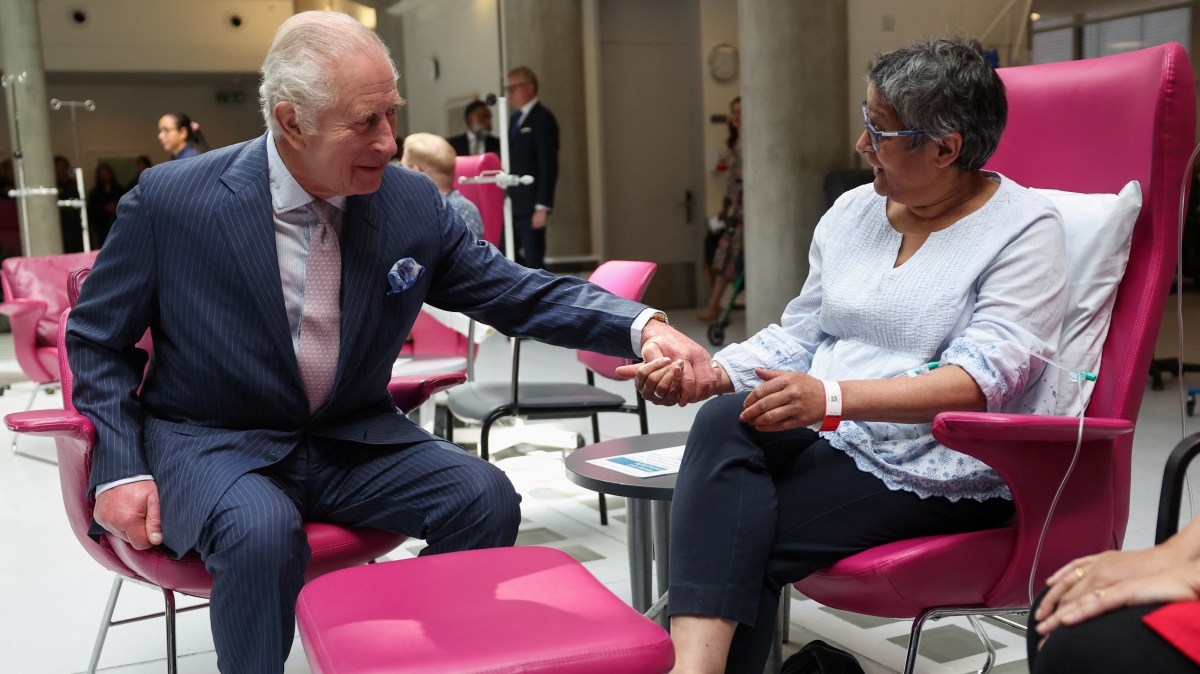
Tens of thousands of people have followed the King’s advice to check their eligibility for cancer screening after his heartfelt speech on Friday about his diagnosis.
Charles, 77, whose cancer diagnosis was made public in February last year, used a speech on Channel 4 to promote a new online screening tool launched by Cancer Research UK this month.
The charity, of which the King is the patron, said that 100,000 people had used the webpage since it was launched on December 5, the majority in the 24 hours after his video was broadcast. The tool allows people to check the different types of cancer screenings that are available to them on the NHS.
“Too often, I am told, people avoid screening because they imagine it may be frightening, embarrassing or uncomfortable,” the King said. “If and when they do finally take up their invitation, they are glad they took part.
“A few moments of minor inconvenience are a small price to pay for the reassurance that comes for most people when they are told either they don’t need further tests or, for some, are given the chance to enable early detection, with the life-saving intervention that can follow.”
• How the King’s cancer message could save lives
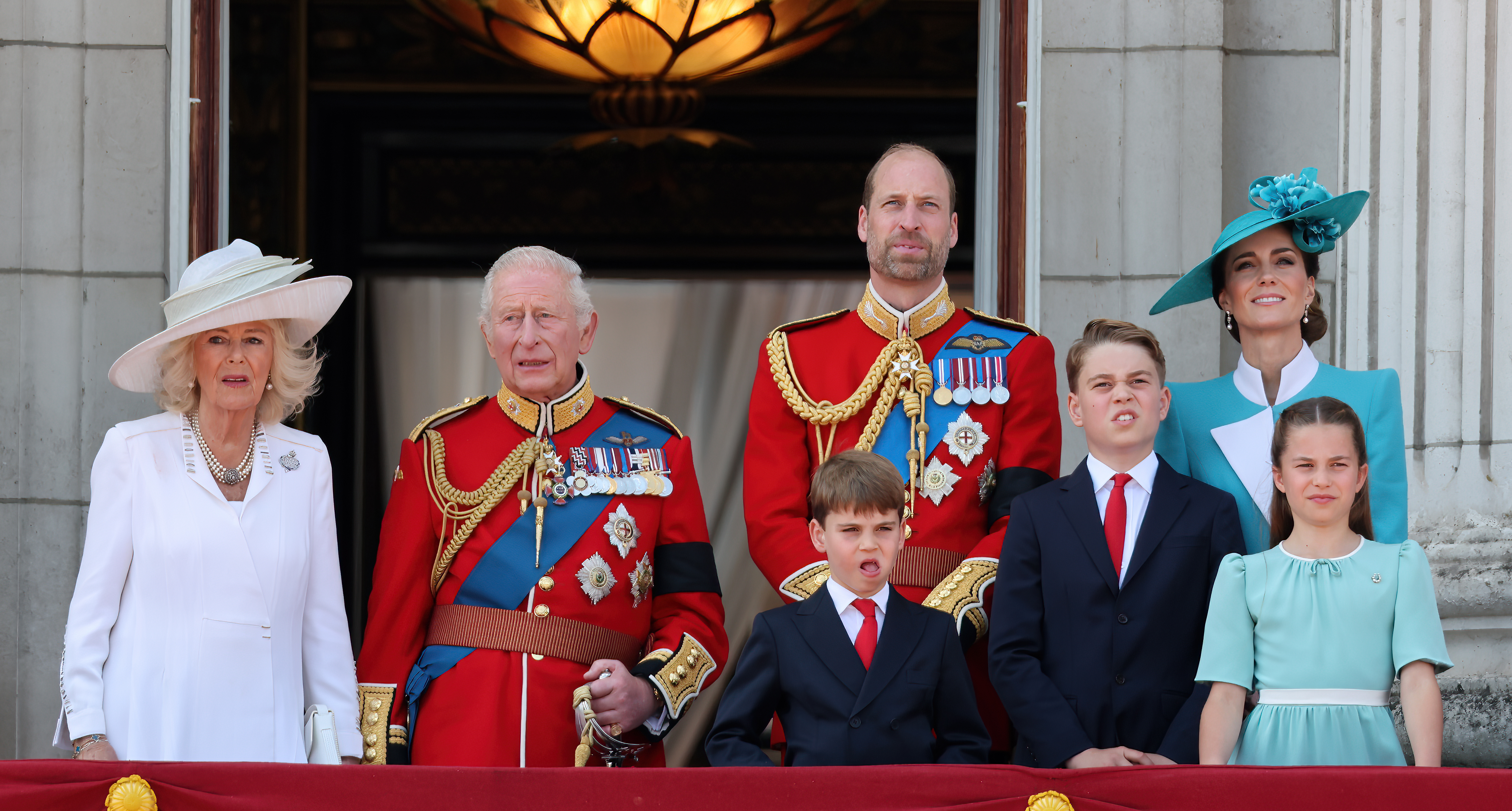
Charles has not allowed cancer to slow his royal duties
SUNDAY TIMES PHOTOGRAPHER RICHARD POHLE
Buckingham Palace said on Saturday that the King “will be greatly encouraged and deeply touched” by the positive response his message generated. It is estimated that up to nine million people in the UK are overdue for a cancer check, such as a mammogram or a bowel screening, leaving them at risk of deadly diseases.
The prime minster said he was “glad” that the King’s cancer treatment had been successful and described Charles’s message as “powerful”. Michelle Mitchell, chief executive of Cancer Research UK, said: “This response shows just how important open conversations about cancer can be … Taking just a few minutes to check what screening you’re eligible for could be an important step towards protecting your health and could ultimately save lives.”
The King gave his backing to the screening tool after his doctors told him that he would be able to scale back treatment in the new year. It can now be revealed that when the King learnt he had cancer nearly two years ago, his wife initially believed his diagnosis should remain private, as she feared the toll public scrutiny of his health might take on his recovery.
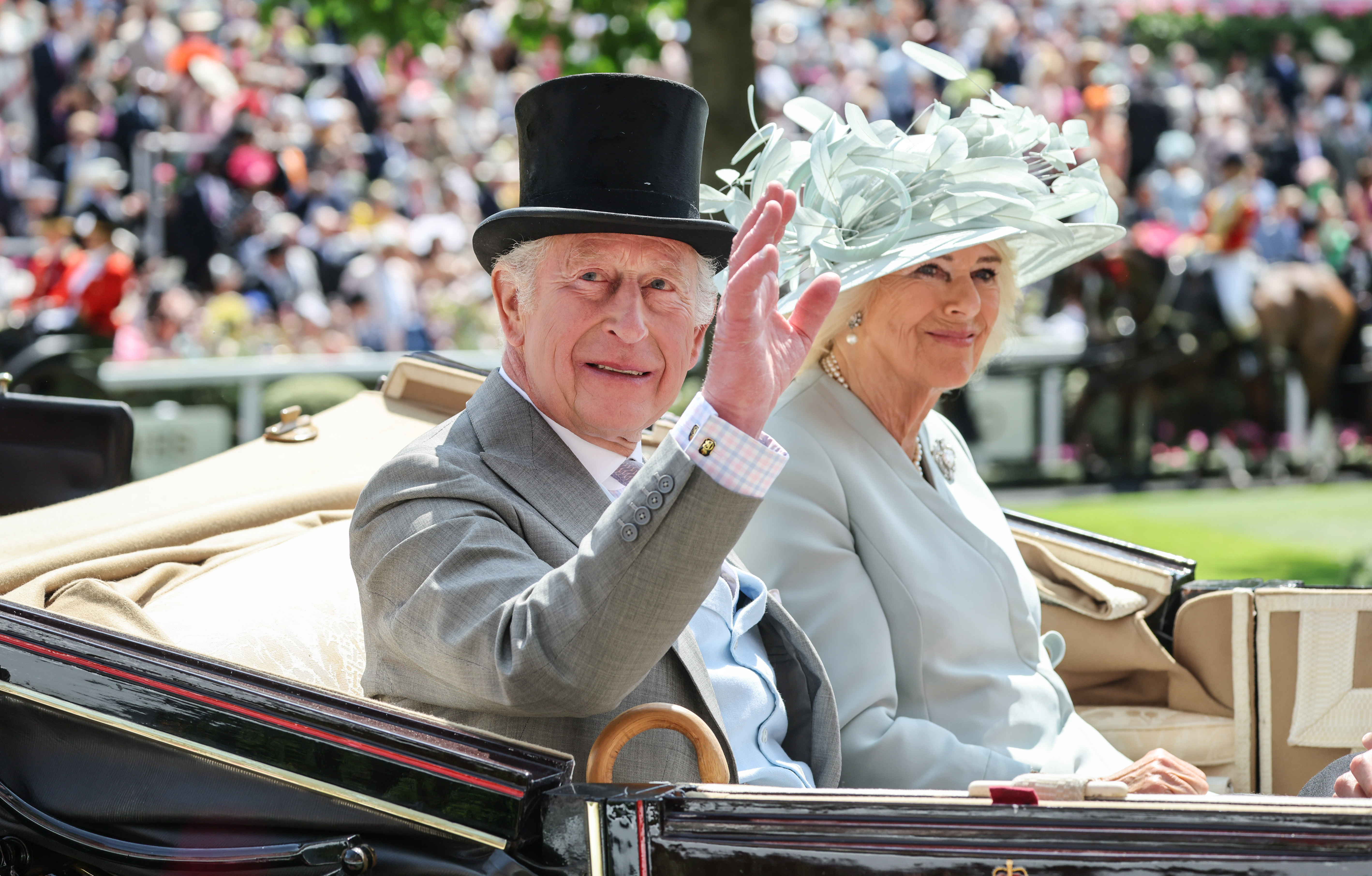
The King and Queen have continued to enjoy events such as Royal Ascot
SUNDAY TIMES PHOTOGRAPHER RICHARD POHLE
His hesitancy stemmed from a concern for her husband’s privacy, fearing that “once the door on it had been opened, it could never be closed”. But a source close to the couple said: “Both of them now unequivocally think that being so open has been hugely positive — positive for public engagement with raising awareness around cancer and also personally for him in terms of how public good has come from personal misfortune.”
Charles was determined from the outset to pursue “openness and transparency” and Camilla, 78, has taken comfort in how buoyed her husband has been by the public response to his candour about his illness.
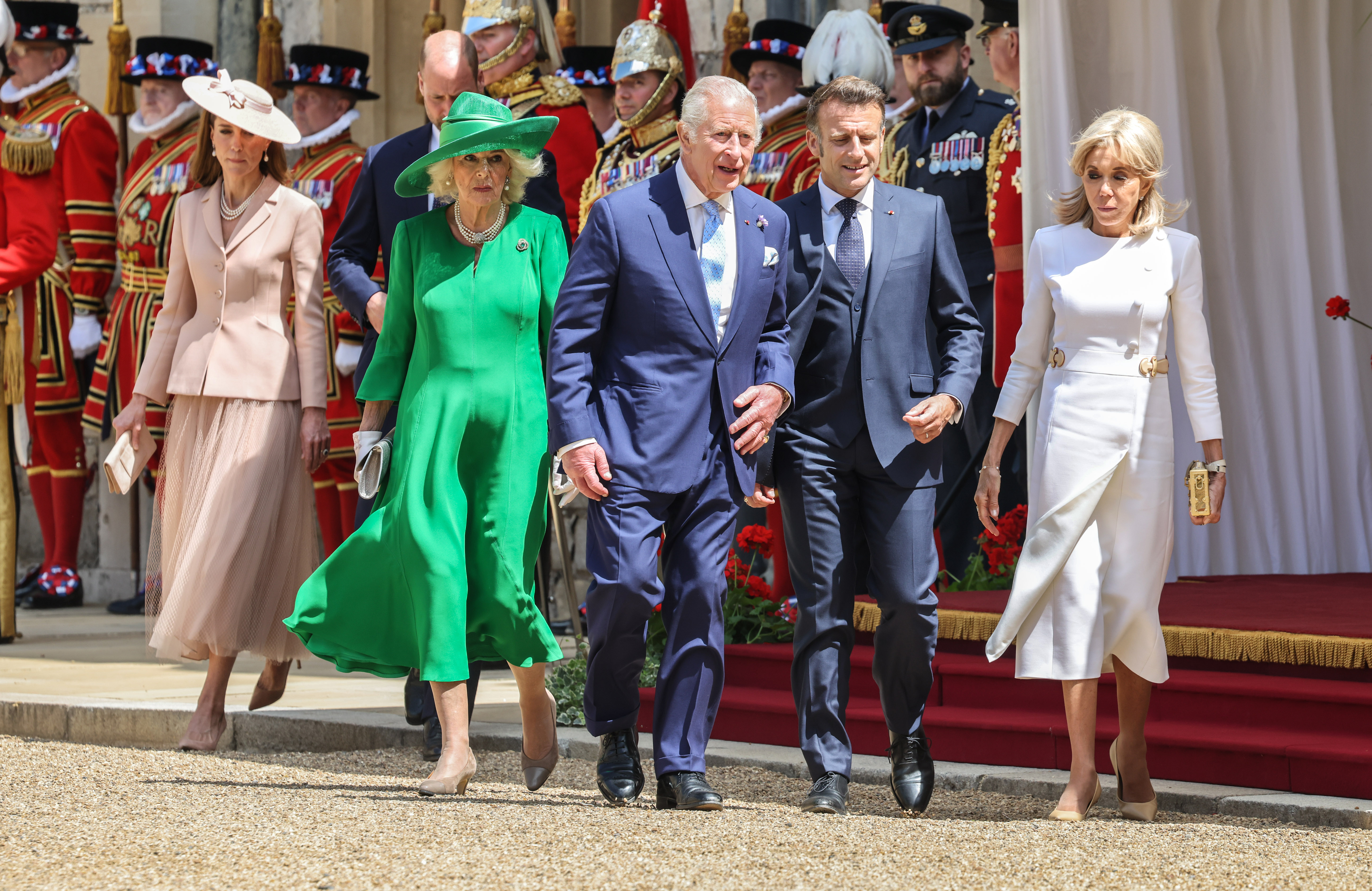
The King hosting President Macron at Windsor Castle
SUNDAY TIMES PHOTOGRAPHER RICHARD POHLE
After his diagnosis, Charles discussed how to approach the news with his closest confidants. Some in royal circles were unconvinced that such transparency was wise, feeling that it was “not very dignified” to speak about the monarch’s health.
Charles disagreed. When his treatment began at the private London Clinic, he insisted he be driven to and from hospital in the state Bentley for the first few weeks, its unusually large windows ensuring he was visible to the public as he left Clarence House or Buckingham Palace.
Aides had suggested a more discreet option — a “low-key” BMW official car or a vehicle with blacked-out windows from the royal fleet — but the King was adamant that even if he looked under par some days, he would not hide away from public view.
In doing so, Charles has charted new territory for a reigning monarch. His grandfather King George VI was not originally told by his doctors that he had cancer and then the diagnosis was concealed from the public, while the late Queen’s illness in her final years was described by the palace as “episodic mobility issues”.
The King’s transparency was mirrored by that of his daughter-in-law, the Princess of Wales. It was revealed the month after the King’s diagnosis that Kate, 43, was undergoing preventative chemotherapy for an undisclosed type of cancer.
Cancer has not slowed the King down. He returned to public duties last April and quickly resumed a full programme of engagements and state visits.
He has since undertaken almost 600 public engagements, hosted five state visits and made five of his own. The King has visited seven countries, including Australia and Samoa last October and Canada in May, and travelled almost 40,000 miles by air.

The King and Queen visited Samoa last year
AARON CHOWN/PA
A friend of the King said of his work: “Even at his worst times, it has been an anchor for him.” After Charles and Camilla’s tour of Australia and Samoa, during which the King at times understandably appeared exhausted, aides said he had in fact found the trip a “perfect tonic”. Another friend previously said he was like “a caged lion” when he was unable to work.
Buckingham Palace has never disclosed the precise nature of the King’s illness — beyond confirming that it is not prostate cancer — but he has nonetheless wanted to be as transparent as he feels able. Speaking in a pre-recorded video that was broadcast on Channel 4 on Friday night as part of its Stand Up To Cancer campaign, Charles said that hearing you have cancer could feel “overwhelming” but that early diagnosis had enabled him “to continue leading a full and active life, even while undergoing treatment”.
Each year, more than 400,000 people are diagnosed with cancer in the UK and about 170,000 die from the disease. Medical advances, from improved screening to new treatments such as gene therapy and stem-cell immunotherapy, mean there are now far more ways to tackle it.
More than half of cancer patients — 58 per cent — diagnosed in 2018 were still alive five years later, with just under half expected to survive for at least a decade, according to data from Cancer Research UK.
Earlier diagnosis has been crucial to improving survival rates: the sooner a cancer is detected, the greater the chance it can be treated successfully. NHS England has made earlier diagnosis a priority, aiming to identify tumours at stages one and two, before the disease metastasises, spreading to other organs. Nearly three in five cancers were diagnosed early in 2024, the highest rate on record, and the NHS is aiming to raise that figure to 75 per cent by 2028.

The King played a key role in President Trump’s second state visit
PA
The King being so public about his health has already encouraged people to come forward for testing. When the Palace said in January 2024 that the King was being treated for a benign prostate enlargement, the NHS webpage offering advice on the condition saw more than 11 times the usual number of visitors.
It will also help tackle stigma. Speaking to Times Radio on Saturday, Jonathan Dimbleby, a friend of Charles, spoke about the difference the King had made.
Dimbleby’s father, the broadcaster Richard, died in 1965 at the age of 52 from testicular cancer.
“He’d been too embarrassed by the symptoms of testicular cancer and he didn’t go until it was late in the day when he reported it,” said Dimbleby. “When he, through David, my brother, said ‘I have got cancer’, it had a huge impact at that stage 60 years ago, because what he was doing was to say, ‘Look, people don’t like the term, they call it the big C — it’s perfectly OK to say cancer’.
“We’ve advanced so far from that, but we need to go further.”