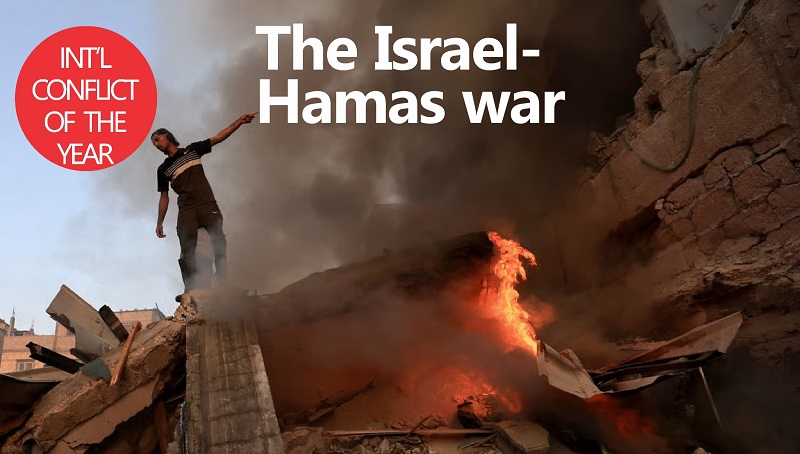
Chilean poet laureate, Pablo Neruda, articulated the horrors of the Spanish Civil War in his poem, “ I’m Explaining a Few Things,” with the repetitive climax: “Come and see the blood in the streets/Come and see/The blood in the streets/Come and see the blood/In the streets!” If he were alive today, he would find resonation of that horror in the two-year old conflict between the State of Israel and Palestinian militant group, Hamas, also known as the Gaza War.
The conflict was ignited on October 7, 2023, when Palestinian militants launched a surprise attack on Israel – killing 1,195 Israelis and foreign nationals, among them 815 civilians, and taking 251 persons hostage. It is part of the long-running Israeli-Palestinian conflict over territory since the Jewish state was created in 1948 in the area that had been regarded as Mandatory Palestine, forcing the expulsion of hundreds of thousands of Palestinians except in two separated territories that became known as the West Bank and the Gaza Strip.
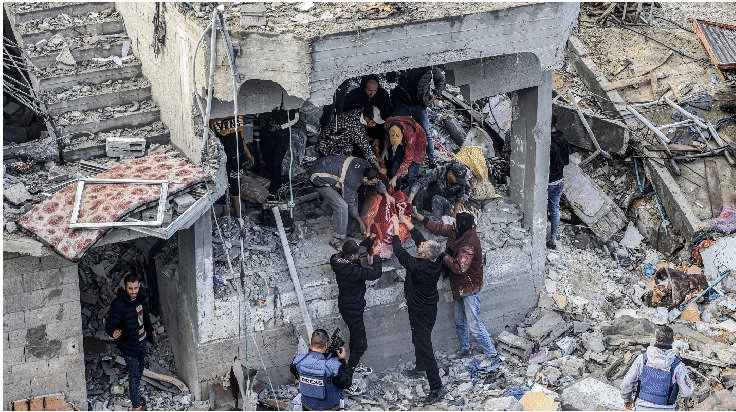
Following the 1967 Six-Day War, Israel occupied both Palestinian territories and has contended with relentless resistance against that occupation. Since 2007, Gaza Strip has been governed by Hamas, which is militant in disposition unlike the Fatah Palestinian Authority in the West Bank.
The October 7 Hamas attack was an extension of its militant resistance, which incurred a heavy-handed response from Israel. By recent counts, the conflict has led to the death of some 70,000 Palestinians in Gaza – nearly half of them women and children – and more than 170,000 persons injured.
Reports say these stats are indeed conservative estimations, and that is not counting collateral fatalities among foreign aid workers and journalists, as well as “indirect” deaths from the conflict.
Israel launched a bombing campaign and invasion of Gaza on October 27, 2023, and has since then staged numerous offensives in Palestinian territories and spillover wars against Axis of Resistance groups in Iran, Lebanon, Yemen, Syria and Qatar. A year of strikes between Israel and Hezbollah led to the Jewish state’s invasion of Lebanon and ongoing Israeli operations in Syria, which aided the fall of Bashar Al-Assad in 2024. In June, this year, Israel fought a 12-day war with Iran.
The conflict convulses the Middle-East and reverberates across the world. It has triggered massive protests in many countries where protesters called for urgent ceasefire, and a surge of anti-Semitism as well as anti-Palestinian sentiments.
Within Gaza itself, the war has created a monumental humanitarian crisis as Israel’s tightened blockade cut off basic necessities, causing severe hunger crisis for Gazans and a near-famine situation as of October, this year.
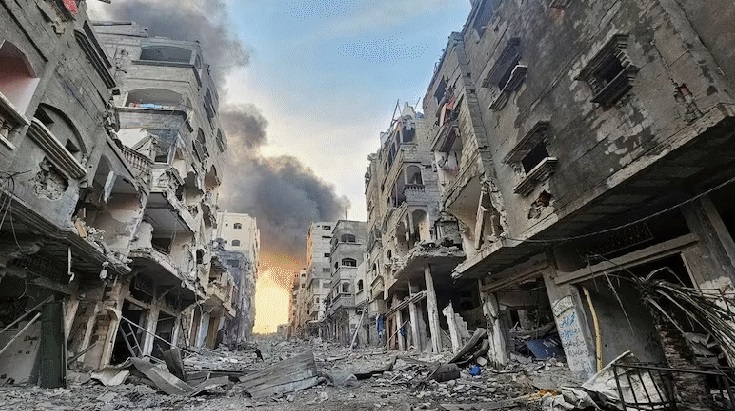
By early 2025, Israel had enacted unprecedented destruction in Gaza and made large parts uninhabitable, leveling entire cities and destroying hospitals, religious and cultural landmarks, educational facilities, agricultural land and cemeteries. Gazan journalists, health workers, aid personnel and other members of civil society were detained and reportedly tortured.
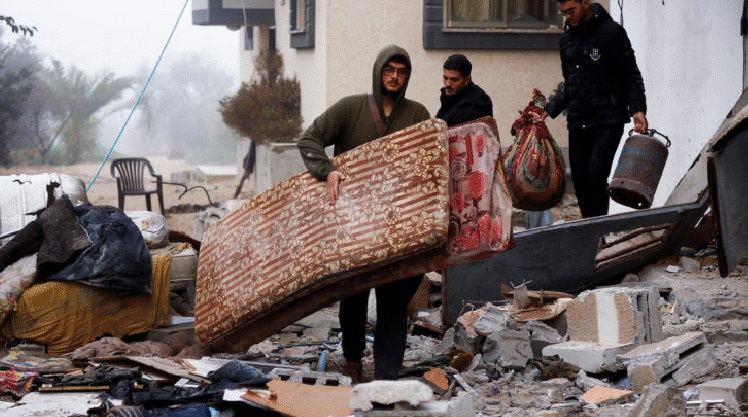
Israel has detained thousands of Palestinians from Gaza and the West Bank since the start of the war, with nearly all of the strip’s 2.3million Palestinian population forcibly displaced. But it’s not that there has been no toll on the part of the Jewish state itself, as more than 100,000 Israelis were internally displaced at the height of the conflict.
Following the October 7 attack, Israeli war cabinet led by Prime Minister Benjamin Netanyahu outlined four central goals for the Gaza War namely toppling the Hamas regime and dismantling its capabilities, eliminating terrorist threat from the territory, retrieving hostages seized by Hamas and reinforcing security at Israel’s borders.
More than two years on, those objectives remain mere aspirations amid resistance by Hamas that’s been accused of using the Palestinian populace as human shield. Resulting collateral harm at Israel’s instance is heavy and unhelpful for its image.
Israel enjoys robust military and diplomatic support from the United States, which is about the only country left on its side. In world opinion, however, the Jewish state attracts odium and there is broad consensus it is committing genocide in Gaza. Even the United Nations (UN) has pushed such view. Its Commission of Inquiry on the Occupied Palestinian Territory concluded that four of five acts characterising genocide have been committed, with a case citing Israel for genocide pending before the International Court of Justice (ICJ).
Human rights experts accused both Israel and Hamas of having committed war crimes including torture of prisoners and sexual violence, and the ICJ issued arrest warrants against Netanyahu, Israeli Defence Minister Yoav Gallant and Hamas chieftain Mohammed Deif. The warrant against Deif was later withdrawn after he was killed by an Israeli airstrike.
Heady hostility by the combatants has not foreclosed attempts at striking a truce. A temporary ceasefire in November 2023, not long after the war erupted, quickly ran aground. Another ceasefire deal was struck in January, this year. But it collapsed with a surprise attack by Israel in March following mutual accusation of bad faith by both sides. Lately, there’s been another ceasefire deal that may pull the brakes effectively on the carnage.
The UN Security Council, on November 17, approved a 20-point peace plan put forward by US President Donald Trump that mandates the release of all hostages, an end to hostilities, and withdrawal of Israel from Gaza, disarmament and displacement of Hamas from governing the strip, and its replacement with a temporary transitional government, among other things.
The plan provides for an International Stabilisation Force to be stationed in Gaza, and for the territory to be administered by an international Board of Peace for some time. Israel signed up to the peace deal, as did Arab nations that urged Hamas to also sign up. But will Hamas agree to finally disarm and relinquish control in Gaza?
If the two parties uphold the terms of Trump’s proposals, the world could be singing ‘peace at last!’ in the troubled region.