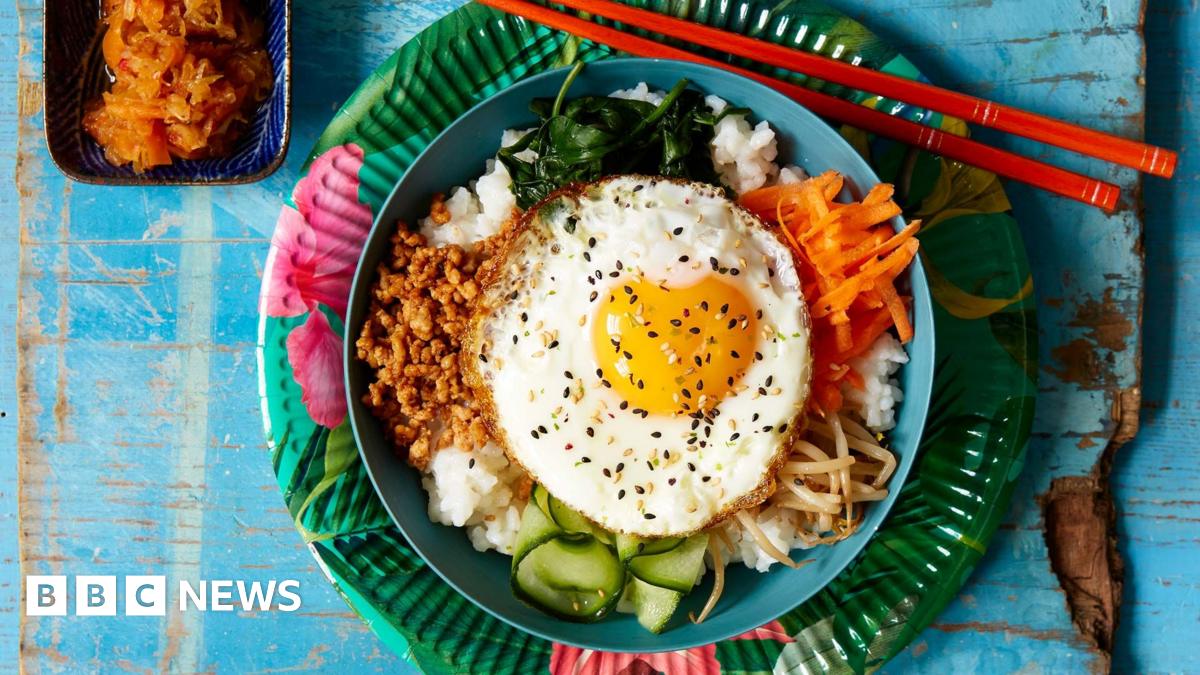
Back in 2009, the South Korean government launched a “Global Hansik” campaign to raise the profile of Korean food abroad, putting public money into restaurant promotion, chef training and overseas marketing. The programme drew criticism at the time for lacking clear results but, later, government studies suggested awareness of Korean food in major overseas cities rose over the first half of the 2010s.
Since then, Korean food has increasingly travelled alongside the broader “K-wave” of pop culture. Food-centred drama Bon Appétit, Your Majesty has showcased Korean fusion dishes, while South Korean competition show Culinary Class Wars returns for a second season on Netflix this month after topping the platform’s global non-English TV chart in its first run.
The shift is also visible on UK shelves. Searches for “Korean BBQ” on Waitrose’s website are up more than 60% year on year, and sales of its gochujang paste have risen more than 70%. Kimchi is among its fastest-growing international products.
“Fermented foods, such as kimchi, have become mainstream,” explains nutritionist Emer Lowry. “They enhance flavour and texture, but also offer benefits including improved digestion and a diverse, healthier gut microbiome.”
And the interest in Korean food didn’t just happen overnight – it’s driven by curiosity. Analysis by Bibigo, part of food giant CJ, suggests TikTok posts by UK users mentioning Korean food have risen from just under 10,000 in 2023 to more than 17,000 in 2025.