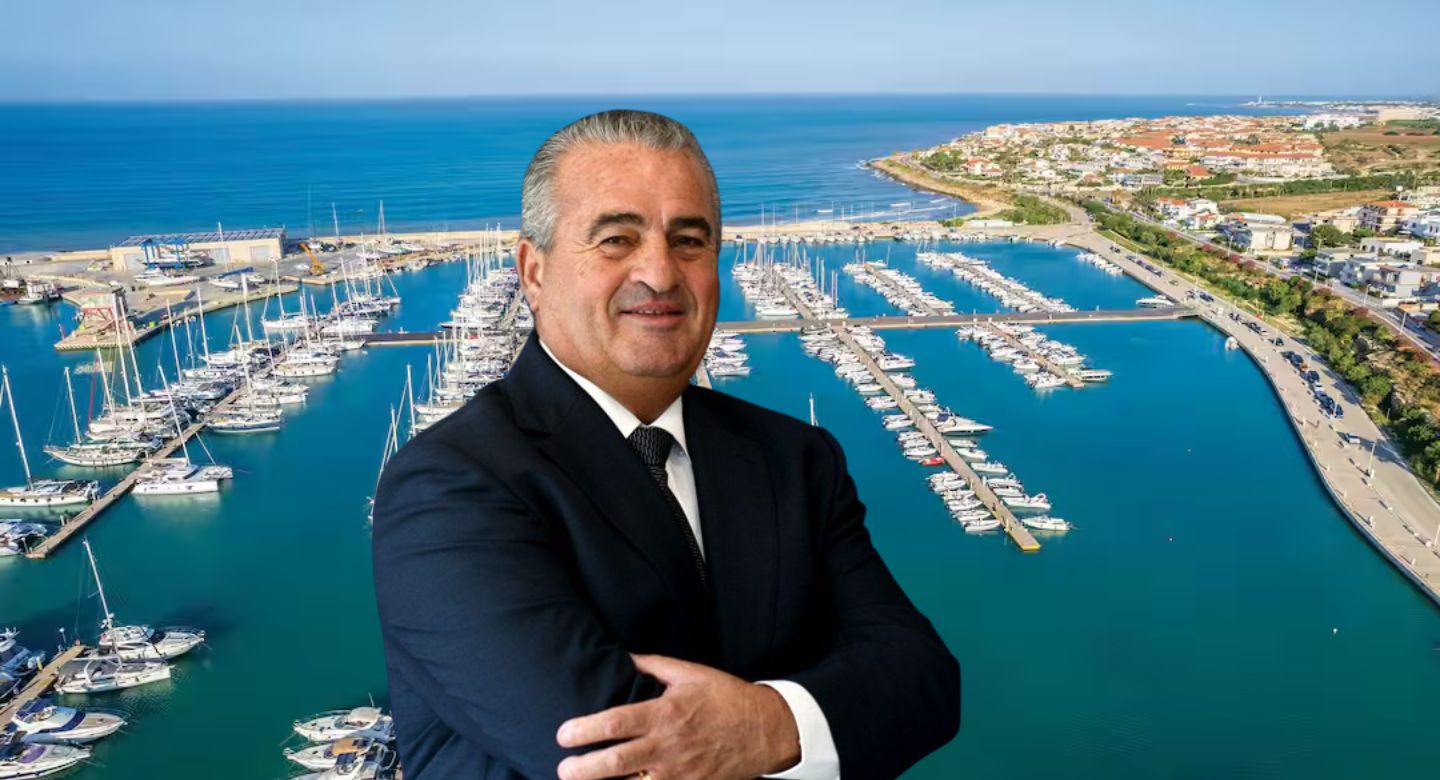
For the first time in its long and complex history, Malta is being cast not as a conqueror but as a potential influencer over foreign territory. In Ragusa, Sicily, a new polemic has emerged over the perceived growing sway of Maltese interests in local politics.
The city’s Democratic Party opposition has accused Mayor Peppe Cassì of allowing Malta to assert control over Ragusa, effectively turning the municipality, which has a territory bigger than Malta’s, into a colony of its island neighbour. The controversy follows a multi-million-euro deal in which Maltese businessman Paul Gauci acquired the beleaguered 30-year concession of the Ragusa Yacht Marina (Porto Turistico di Ragusa).
Opposition figures argue that the controversy has deepened with the approval of a second electricity interconnector passing through Ragusa’s territory. Photos circulated by the opposition show newly excavated roads—ironically reminiscent of Malta’s own infrastructure projects—where underground cables are being installed to carry power to Malta’s Magħtab station.
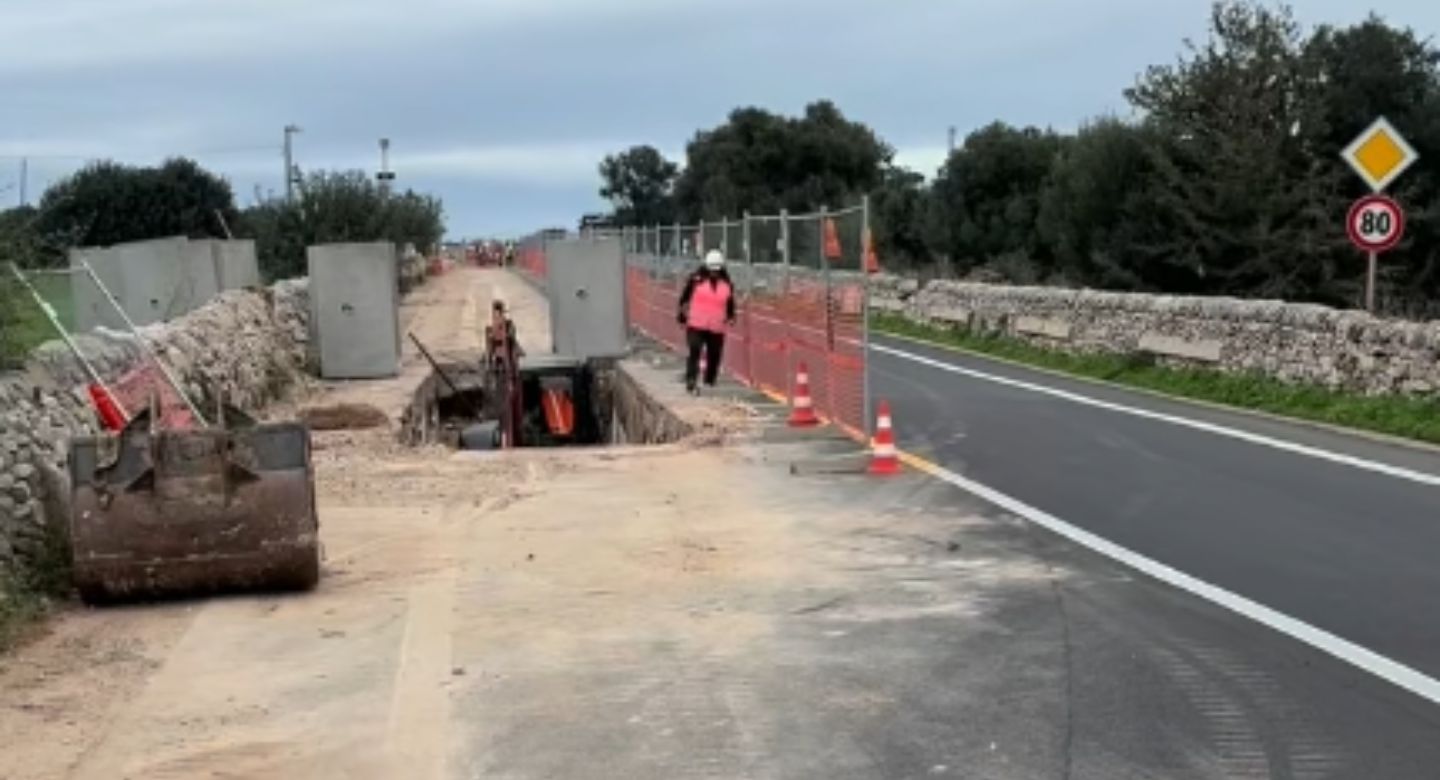 Ongoing works in Ragusa related to the Maltese second interconnector
“The mayor has failed to defend Ragusa’s interests,” said a spokesperson for the Democratic Party. “He should have either blocked the cable or at least negotiated a more substantial compensation. One interconnector was already enough.”
In response, Mayor Cassì stressed that the permit for the cable lay outside his jurisdiction, under the authority of the Sicilian regional government and Rome. He added that his intervention had secured €5 million in compensation from Malta, up from the €1 million initially offered.
The opposition also criticised the mayor over persistent electricity blackouts at the Marina, arguing that the sale of the facility to foreign investors had left residents at the mercy of unstable power supplies. “After selling the Marina to foreigners, the mayor is now letting Malta take our electricity,” they said, citing repeated outages even at peak summer periods.
City authorities, by contrast, view the developments at the Marina—particularly the launch of a new daily catamaran service to Malta, Ragusa Xpress—as a boost to the local economy. Nevertheless, scepticism remains. Critics warn that Gauci’s growing influence over municipal affairs could accelerate large-scale real estate developments in areas surrounding the Marina, potentially driving up prices and straining the local community.
Gauci reportedly faced significant hurdles in securing permission to operate the commercial catamaran service, as the port’s licence previously permitted only yacht activities. After years of negotiation, authorities finally authorised the daily link to Malta, cementing the city’s direct maritime connection to the island.
As Ragusa navigates this mix of economic opportunity and local unrest, the debate underscores broader questions about foreign investment, municipal authority, and the balance of regional power in Sicily.