WANA (Dec 16) – According to many experts, the attack on Jews in Sydney has many ambiguous aspects, and the unified stance of the media and Israel in accusing Iran indicates Israel’s plan to exploit this incident.
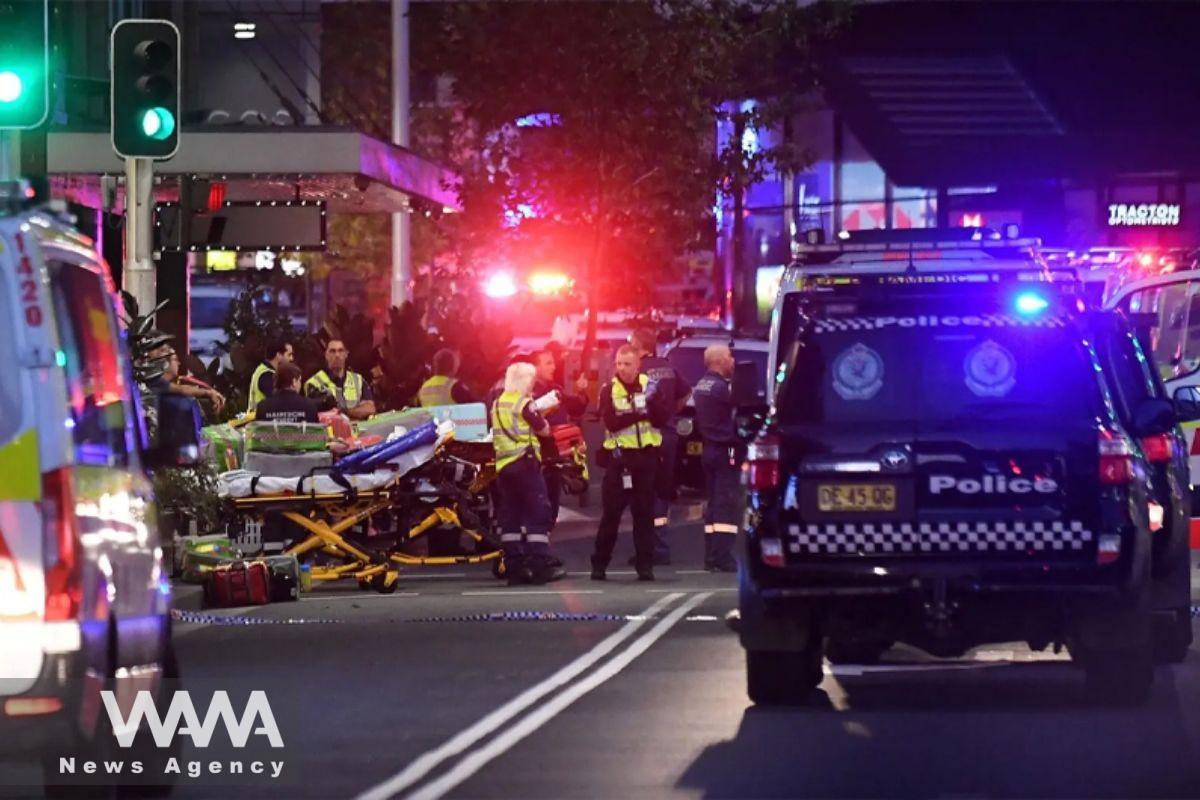
On December 14, 2025, a shooting attack occurred at Bondi Beach in Sydney, during which at least 15 people were killed, and more than 40 were injured. The attack took place during a Hanukkah celebration (a Jewish festival), and Australian police have described it as a terrorist act.
The attackers have been identified as a father and son named Sajed Akram (50 years old) and Navid Akram (24 years old), one of whom was killed at the scene, while the other is in critical condition.
This incident, which is one of the deadliest attacks against the Jewish community outside Israel in recent years, plunged the Australian Jewish community into shock and prompted widespread international reactions. However, what makes this event more complex is Israel’s rapid exploitation of it to advance its geopolitical objectives, particularly increasing tensions with Iran.

WANA (Dec 14) – Only hours after a deadly shooting at Sydney’s Bondi Beach—an armed attack targeting Jews that took place during a Hanukkah celebration—the first wave of political and media accusations had already begun to take shape. According to initial reports, more than 60 people were killed or injured. Australian police described the […]
In recent years, and especially following its actions in Gaza, Australia has witnessed an increase in numerous incidents against individuals linked to Israel. In August 2025, the Australian government accused Iran of involvement in two arson attacks and pressured the country’s government to expel the ambassador.
According to experts, these accusations were based on fabricated information provided by Mossad and ultimately led to the severing of diplomatic relations. However, opposition figures and foreign activists view these Mossad allegations as part of Israel’s campaign to portray Iran as a threat, using false and manufactured issues to shape reactions against Iran.
The Sydney incident also occurred in this context, although the attackers reportedly pledged allegiance to ISIS, Israel quickly blamed Iran and Hezbollah. Within hours, Hebrew-language media such as Haaretz and Yedioth Ahronoth, without credible independent evidence, accused Iran of organizing the attack.
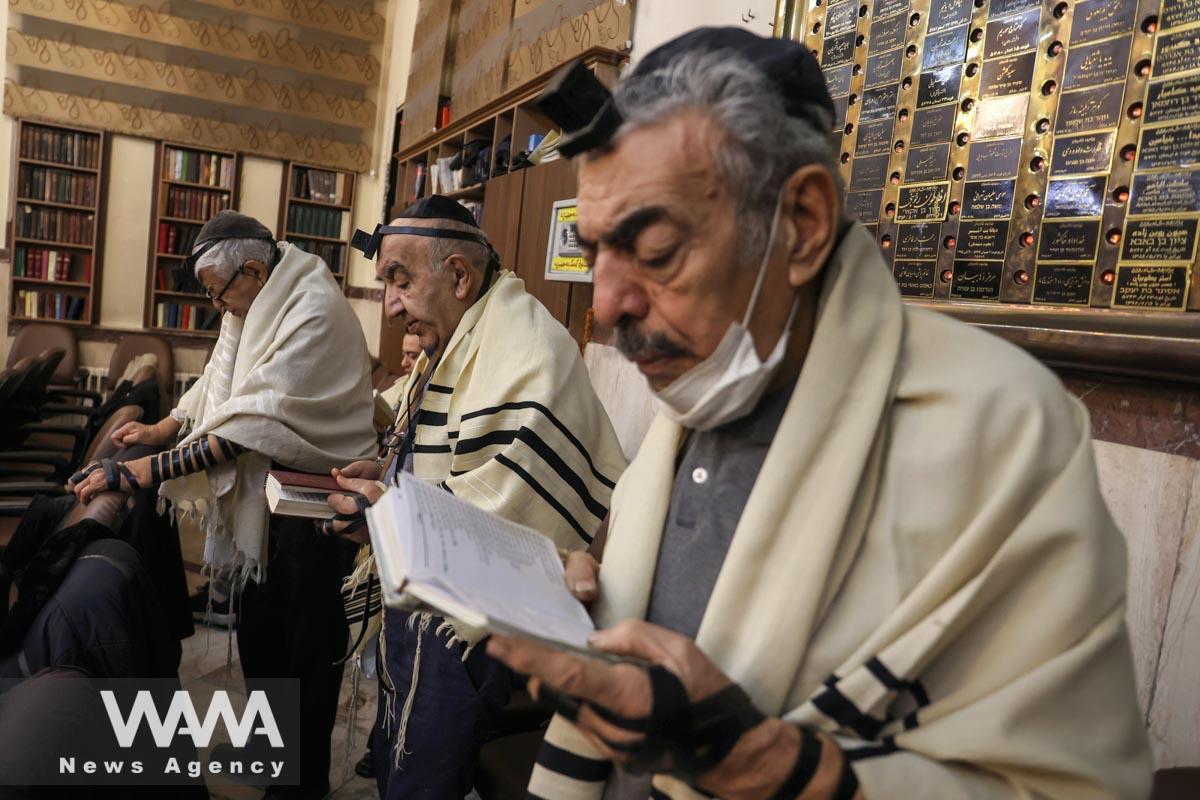
WANA (Jun 16) – After the October 7, 2023, attack and Israel’s bloody response in Gaza, tensions spread beyond the Middle East, and a new wave of anti-Semitism and anti-Zionism swept through the streets and universities of both the West and the East. Protests that began with the slogan “Ceasefire” soon took on a […]
An Israeli security source claimed that “Iranian activity targeting Jewish sites in Australia has increased,” suggesting the attack may have been retaliation for Israeli actions against Hezbollah.
Critics argue this reflects a familiar pattern in which Israel links incidents to an anti-Iran narrative to gain international support and justify military actions.
Similar claims in recent months, coupled with pressure on the Australian government, led to the expulsion of Iran’s ambassador—hailed by opponents of Israel as a victory for Mossad’s Iranophobia campaign.
Some raise conspiracy theories describing the attack as an Israeli false-flag operation designed to boost support for Israel and blame Iran internationally.
WANA (Jan 01) – Everything begins with a whisper in the corridors of power, a silent campaign of destruction. But when it reaches the masses, it transforms into a loud and pervasive narrative: Islam is dangerous. Iran is a threat. The same familiar tale of Islamophobia and Iranophobia. But why? What drives this endless negative […]
Others argue that despite prior warnings about potential attacks on Jewish gatherings, the incident occurred, suggesting deliberate failure to prevent it. Some foreign experts label Israel’s claims “hypocrisy,” asserting that Netanyahu is pleased with this attack and will use it for his own interests.
In fact, after examining all aspects, this possibility is not far-fetched, as the Mossad’s history includes similar operations—such as various forms of image-making—used for political or military purposes.
Moreover, Israel’s claims regarding Iran’s involvement in attacks carried out against Jewish communities have often been raised without independent evidence and have led to serious diplomatic actions by foreign governments against Tehran.
According to Israeli officials’ own claims, if the Mossad was truly aware of the threat, why were no preventive measures taken through available channels? Some analysts view this as a strategy of “letting it happen” for political gain, similar to historical claims surrounding Pearl Harbor or 9/11.
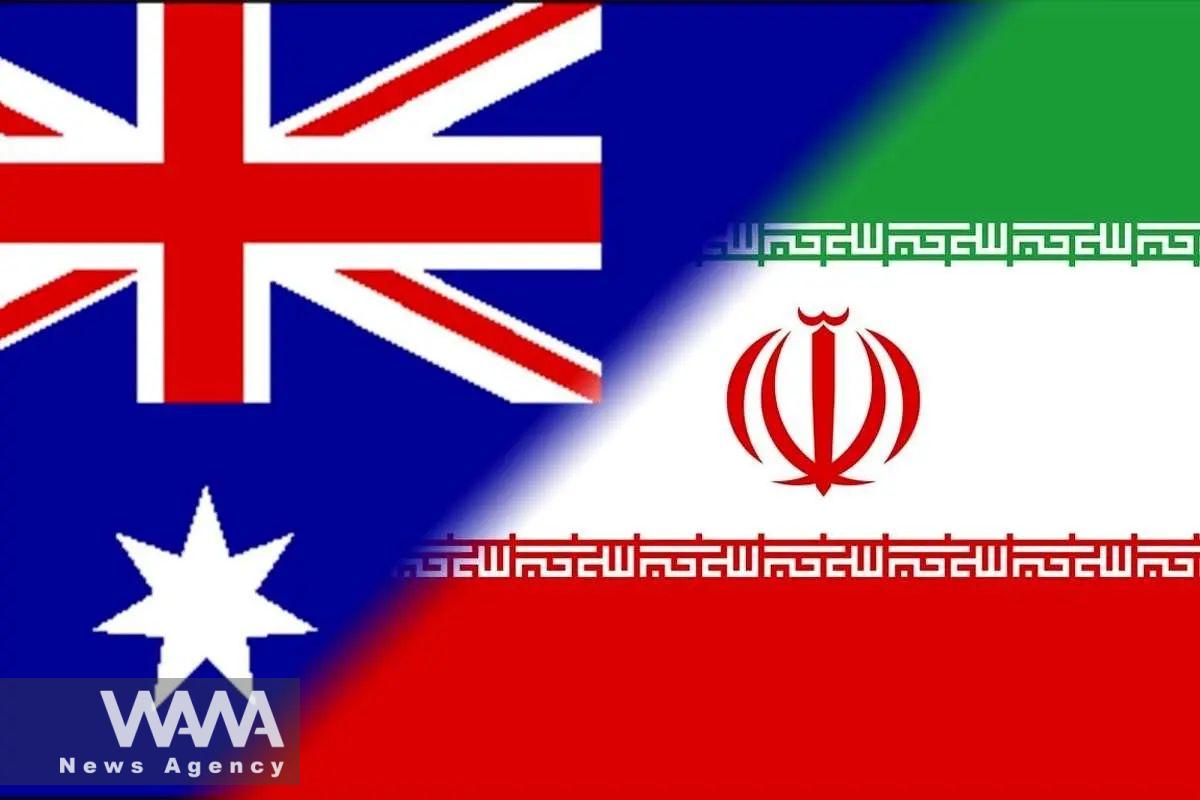
WANA (Nov 27) – Australia has placed Iran’s Islamic Revolutionary Guard Corps (IRGC) on its list of so-called “state supporters of terrorism.” The decision was announced by the Australian government on Thursday. Australian Foreign Minister Penny Wong stated that the move was based on assessments indicating, according to the Australian government, that the IRGC […]
In Hebrew-language media and promotional videos, the Sydney attack has been combined with the October 7 attack in order to draw international support toward themselves. This exploitation indicates Tel Aviv’s planning to turn tragedy into a geopolitical tool.
As stated, Israel has a long history of using incidents as a prelude to launching attacks. After the Sydney attack, some Israel-linked sources claimed that “if Iran was involved, we have a green light to strike Iranian territory.”
This issue, alongside ongoing tensions such as the Gaza war and the continual assassinations of Hezbollah fighters, could serve as a prelude to renewed military confrontation.
Separately, regardless of whether such incidents are intentional, another way Israeli leaders exploit these and similar events is by trying to reinforce their image as victims, while the regime’s military operations in Gaza continue, and tens of thousands of Palestinian civilians, including women and children, have been killed.
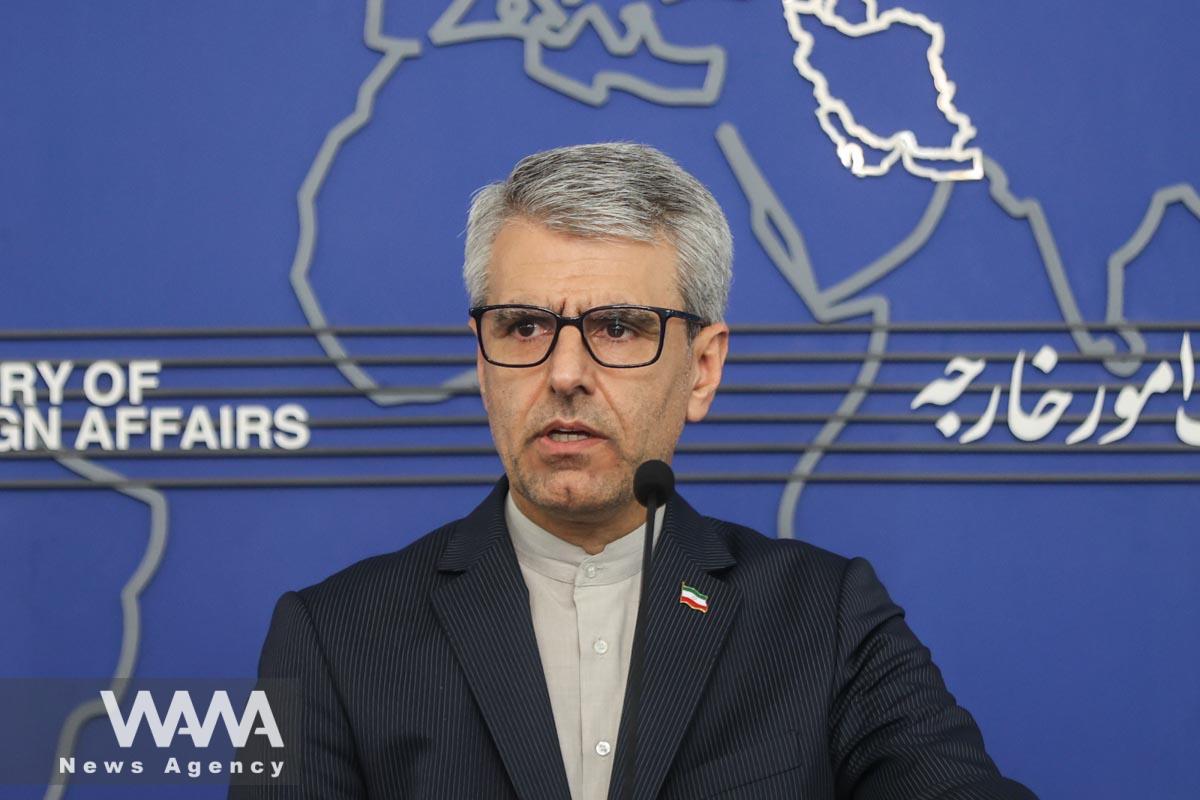
WANA (Sep 04) – The spokesperson for Iran’s Ministry of Foreign Affairs announced the departure of Australia’s ambassador from Iran and confirmed that, in accordance with diplomatic norms and international law, the Islamic Republic of Iran has reciprocally reduced the level of Australia’s diplomatic presence in the country. In an interview, Foreign Ministry spokesperson […]
According to media outlets and anti-Israel activists, the regime is using the Sydney attack to “divert public attention” from crimes in Palestine.
By emphasizing and highlighting antisemitism, Netanyahu seeks to marginalize international debates on Gaza and exert diplomatic pressure on governments that support the establishment of a Palestinian state.
In practice, Israeli politicians link the Sydney attack to Australia’s policies, condemning Gaza crimes and supporting Palestine, aiming to reduce support for Palestine not only in Australia but also in other countries, including Europe.
Through this, Israelis believe they can both weaken support for an independent Palestinian state and partially repair their damaged image due to genocide and historical crimes in Gaza, thereby preventing further escalation of global public anger toward Zionism and Israel.