The global race for critical minerals like cobalt and copper is intensifying as the world pivots toward green energy, electric mobility, and digitalization. Demand for these minerals is surging, driven by the rapid expansion of electric vehicles, renewable energy infrastructure, and digital technologies. This demand is reshaping the mining industry, especially in the Global South, where countries such as the Democratic Republic of Congo (DRC), Zambia, and Angola hold vast reserves of these resources. The economic stakes are high, as these minerals are essential for the batteries and components that power the green transition and digital economy.
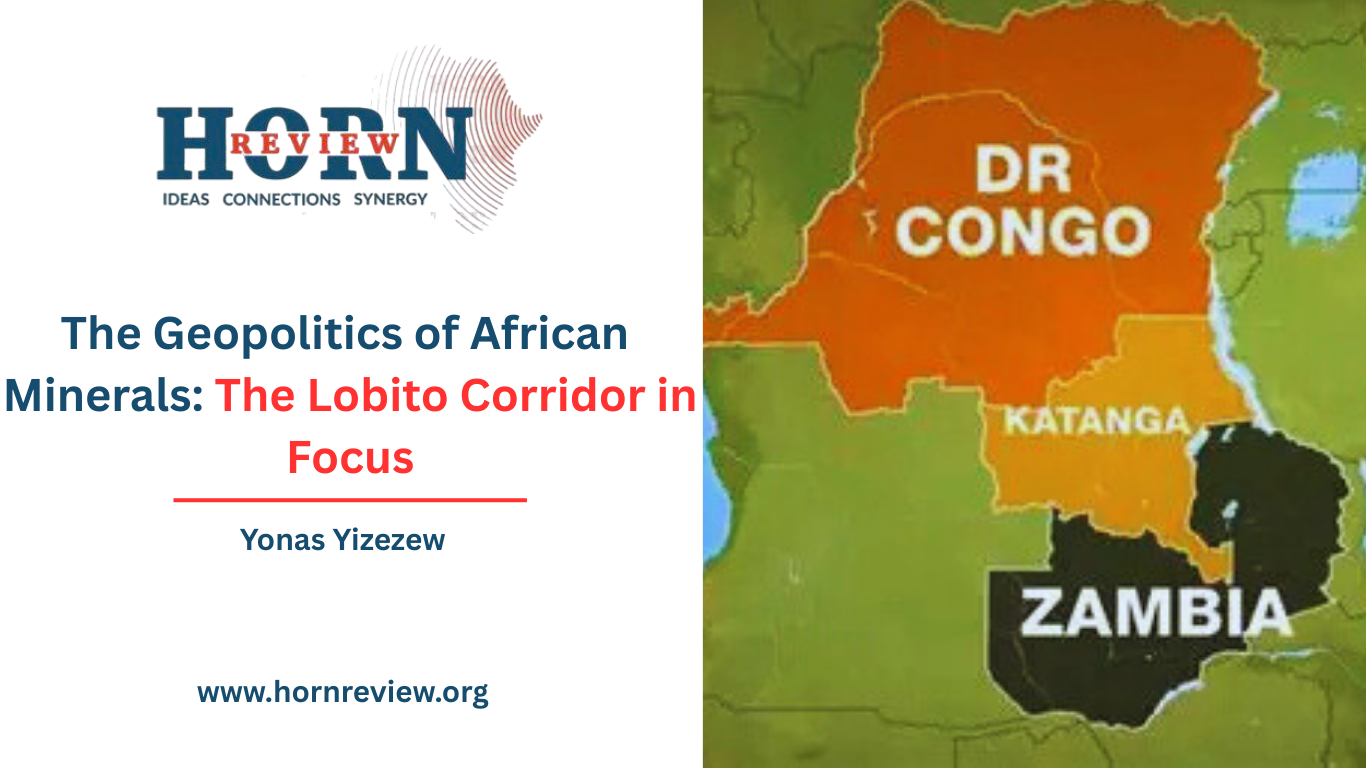
The Lobito Corridor, a rail and port infrastructure project linking the mineral-rich Copper-belt of Zambia and the DRC to the Atlantic port of Lobito in Angola, has become a focal point in Western efforts to reduce dependence on China-dominated supply chains. China’s dominance is not limited to mining but extends across the entire value chain, from processing to manufacturing battery components, giving it significant leverage over global supply. Western governments, particularly the US and EU, have responded by investing in alternative corridors and forging new alliances, aiming to diversify sources and routes for critical minerals.
Africa sits at the center of a rapidly intensifying contest among major powers over critical minerals. The EU, which under the Critical Raw Materials Act aims to reduce its dependence on Chinese-controlled supply chains, is pushing to diversify its sourcing of rare-earth and battery-related minerals. This policy is driven by Europe’s green energy and industrial strategies and the need for supply-chain resilience. Europe has opened partnerships with mineral-rich African states to secure a more stable supply of cobalt, copper, lithium, and other strategic raw materials. At the same time, Chinese companies continue to consolidate mining operations across Africa, particularly in the DRC, Zambia, Zimbabwe, and other states. China also dominates refining and processing, which gives it structural leverage over global green-tech and defense supply chains. In response, the US has stepped up engagement in Africa’s mineral sectors through infrastructure-backed corridors, cooperative deals, and trade frameworks aimed at de-risking supply chains and reducing dependence on China. Projects such as alternative export corridors linking mining regions to Atlantic ports demonstrate efforts to create diversified routes outside Chinese-dominated networks. This triangulation of Europe seeking supply-chain resilience, China controlling extraction and processing, and the US mobilizing strategic partnerships has placed African producers at the center of a new geopolitical contest.
This strategic realignment is not just about logistics. It reflects the need to reduce vulnerabilities created by highly concentrated supply chains and to manage the risks that arise when access to critical minerals depends on a limited number of suppliers. The Lobito Corridor is thus both a symbol and a tool of Western efforts to “de-risk” and “friend-shore” supply chains, seeking to secure access to minerals while promoting infrastructure and industrial development in Africa.
For Angola, the DRC, and Zambia, the Lobito Corridor represents both opportunity and challenge. These countries are now at the center of a new global competition, with Western and Chinese interests vying for influence and access. This dynamic has significant implications for their foreign policy, autonomy, and bargaining power. On one hand, the surge in foreign investment and infrastructure development offers a chance to leverage resources for national development. On the other, it risks perpetuating patterns of dependency and external control, especially if local participation and value addition remain limited.
The recent EU-Africa summit demonstrated the need to move beyond a ‘colonial extractive mindset,’ emphasizing partnership, local processing, and value-chain development. Yet, the reality on the ground often falls short. Foreign-owned entities still dominate the upstream sector, and the enabling environment for local companies to participate in downstream activities remains weak. The rush for minerals has also produced adverse socio-ecological impacts, including displacement, biodiversity loss, and new forms of illegality.
There is a growing recognition among African policymakers that resource sovereignty, industrialization, and regional value-chain development must be prioritized. The DRC and Zambia, for example, have signed agreements with the US and EU to develop integrated battery value chains, aiming to move beyond raw material exports to local processing and manufacturing. However, challenges persist. The dominance of foreign capital, lack of technical capacity, and weak regulatory environments often limit the benefits for local economies.
African states are increasingly aware that the current geopolitical moment offers a window of opportunity. By strengthening regional integration, developing industrial strategies, and insisting on sustainability and good governance, they can enhance their bargaining power and shape the terms of engagement with external partners. The push for local processing and value addition is gaining traction, but it requires coordinated policy action, investment in skills and infrastructure, and a clear vision for long-term development. This requires that African states assert ownership over their resources in ways aligned with national interests. Contracts should mandate value addition, technology transfer, and local content, while regional cooperation and pooled bargaining platforms increase leverage against external partners. Sovereign funds and investment vehicles can finance downstream projects, and robust transparency and environmental safeguards ensure mineral wealth serves public priorities. Pragmatic diversification of partners, rather than alignment with a single power bloc, will allow African states to extract economic benefits while preserving strategic autonomy.
This starts with negotiating contracts that move beyond simple export of raw materials and instead commit investors to building local processing and refining facilities. When coupled with clear requirements for technology transfer, skills development and local content, these agreements can help build domestic industries that anchor long term growth. Regional cooperation is essential since it enhances collective leverage, strengthens bargaining power, and enables African states to negotiate more favorable terms with external partners. Joint bargaining platforms and shared infrastructure can shift power back toward African capitals. At the same time, governments must strengthen transparency and anti-corruption mechanisms so that mineral revenues serve public priorities rather than private networks. Finally, national planning should integrate strong environmental and social safeguards to protect communities and ecosystems from the side effects of mining and large infrastructure projects. This combination of industrial policy, regional coordination and rigorous governance is the foundation needed to convert the mineral rush into sustainable development.
The Lobito Corridor is a test case for whether Africa can turn its mineral wealth into broad-based development or whether it will remain entangled in the new geopolitics of critical minerals. The outcome will depend on the ability of African states to assert agency, build capacity, and demand a fair share of the value created from their resources.
By Yonas Yizezew, Researcher, Horn Review