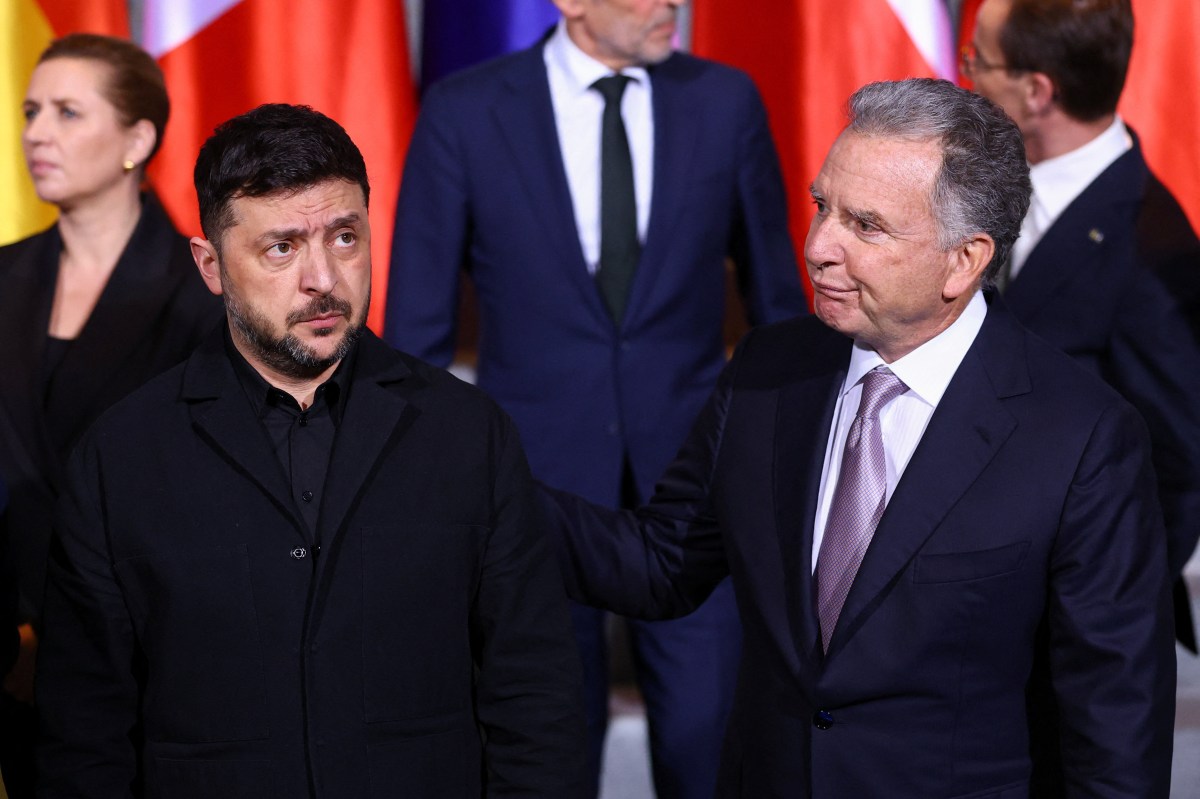
European leaders are racing to finalize a high-stakes proposal to finance Ukraine’s war effort, a move seen as pivotal for both Kyiv’s survival and the European Union’s credibility on the global stage. The plan, set to be debated Thursday, would use hundreds of billions of euros in frozen Russian assets to back loans for Ukraine over the next two years.
The proposal comes as the United States accelerates its own diplomatic push to end the war, now approaching its fourth year. European officials hope the funding package will secure their influence in peace talks and strengthen Ukraine’s negotiating position. Analysts say it is also a chance for the EU to counter President Trump’s portrayal of the bloc as indecisive.
At stake is a loan program worth €90 billion, underwritten by roughly €210 billion in immobilized Russian state assets held in Europe. Ukraine would only be required to repay if Russia eventually pays reparations. Supporters argue the plan offers Kyiv critical resources without straining Europe’s budgets, but skeptics warn it could unsettle global investors wary of Europe’s financial stability.
Belgium, which hosts the depository holding most of the frozen funds, has voiced strong reservations. Brussels fears legal challenges and economic fallout, pressing other nations to share the risks. Several EU members, including Italy and Malta, have also expressed reluctance, underscoring divisions that could derail the initiative.
The urgency is heightened by parallel negotiations in Berlin, where Ukrainian President Volodymyr Zelensky met with U.S. envoys to narrow differences between Washington’s peace proposal and Kyiv’s demands. European leaders from France, Germany, and Finland joined discussions, signaling their determination to remain central players in shaping the postwar order.
EU Commission President Ursula von der Leyen has called Thursday’s meeting “decisive,” stressing that Ukraine’s needs are “immense and urgent.” Yet diplomats caution that failure to reach consensus would not only weaken Ukraine but also expose Europe to charges of political paralysis at a moment of maximum danger.
As António Costa, president of the European Council, prepares to preside over the summit, the outcome will determine whether Europe can turn frozen Russian wealth into a tool of geopolitical strength—or whether hesitation will leave Ukraine vulnerable and Europe sidelined.