
The Bank of England should keep interest rates on hold at the end of the year to contain the risk of sticky inflation and financial instability threats, The Times shadow monetary policy committee has said.
A narrow majority of 5-4 said interest rates should remain at 4 per cent in December — mirroring the Bank’s last close call decision in November. The shadow MPC votes were made before data this week showing a rise in the unemployment rate to 5.1 per cent and before official numbers on consumer price inflation released on Wednesday morning. The Bank makes its decision at noon on Thursday.
Andrew Sentance, a former external member of the Bank’s nine-strong committee, said another interest rate cut — the sixth since last summer — “when inflation is still nearly double the target undermines the credibility of the Bank’s commitment to achieving and sustaining low and stable inflation”.
The nine-strong MPC has been split over the direction of interest rates this year, and is divided between voters who are worried that inflation will remain stuck above the Bank’s 2 per cent target, and others who expect price growth to slow and want to support the slowing economy. Andrew Bailey, Bank governor, is likely to cast the decisive vote this week.
Karen Ward, chief market strategist at JP Morgan Asset Management and former adviser to Philip Hammond when he was chancellor, said rates should be kept at 4 per cent before wage negotiations in the first three months of next year.
“The first quarter is a key period for wage negotiations and early indicators point to continued upward pressure at a level that remains inconsistent with the inflation target. For that reason the Bank should hold firm signalling a commitment to return inflation to target,” Ward said.
Sir Steve Robson, a former senior Treasury official, said another interest rate cut would be inconsistent with the Bank’s warnings about growing financial stability risks.
• What’s next for interest rates after this year’s sticky inflation?
“[The Bank’s] financial stability report earlier this month identified some real and present threats, but it chose to top up the punch bowl, not take it away,” Sir Steve said.
“Central banks seem to prefer cleaning up after the party rather than spoiling the fun. I would hold rates this month to signal that the Bank recognises that there are serious risks to financial stability. It could give a timely jolt to markets.”
Sir John Gieve, a former deputy governor at the Bank in charge of financial stability, said: “There remains a significant risk of high inflation lingering on beyond [18 months] and the Bank should be cautious in reducing rates until that has been substantially reduced. I don’t think we have got there yet.”
Anne Sibert, an economist and monetary policy expert also supported no change to the base rate.
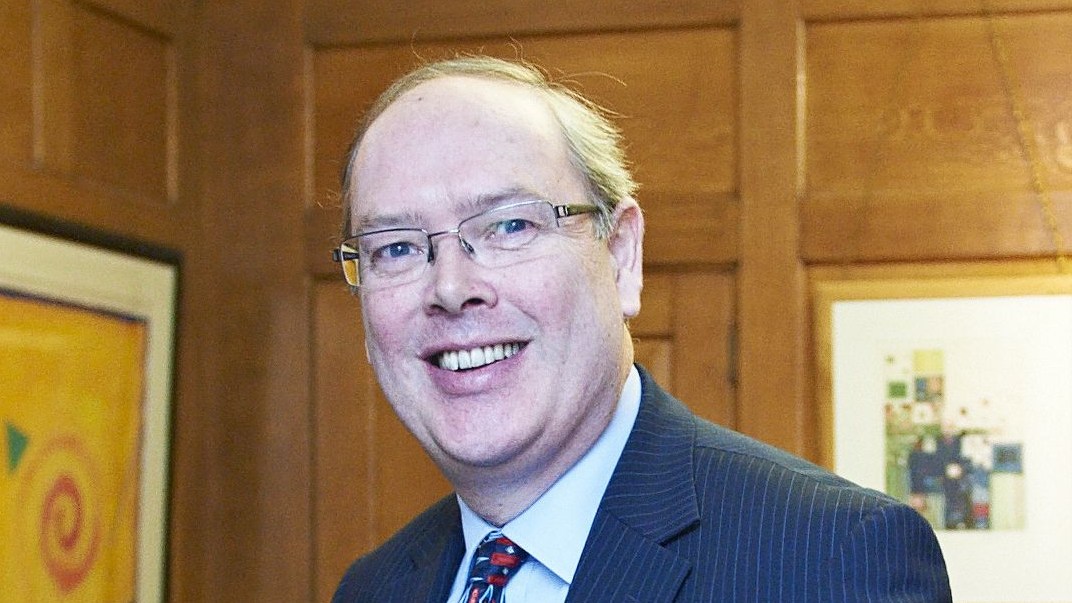
Andrew Sentance, a member of the MPC, said a rate cut would “undermine the Bank’s credibility” on tackling inflation
MICHA THEINER/CITYAM/SHUTTERSTOCK
Inflation peaked at 3.8 per cent in September and is likely to fall to about 3.4 per cent when official figures for November are released. The Bank’s forecast, which was made before the budget, sees inflation falling to its target at the start of 2027.
The committee will have to consider government measures to reduce taxes on energy bills and freeze fuel duty next year, policies which could reduce consumer price inflation by 0.5 percentage points next year, Clare Lombardelli, the Bank’s deputy governor has said.
Bronwyn Curtis and Kitty Ussher, economists on the shadow MPC, said the Bank should reduce the base rate to 3.75 per cent before the end of the year as inflation risks are receding and households have shown spending caution in the second half of the year. Martin Weale, a former Bank rate-setter also recommended a cut.
“Recent data suggests the risk of [inflation] undershooting is rising fast,” Ussher said. “With GDP contracting in October, and likely also November given budget fears, the Bank’s latest forecast of 0.3 per cent GDP growth for the fourth quarter looks elusive.”
Charles Goodhart, emeritus professor at the London School of Economics and a founding member of the MPC in 1997, said he would narrowly support an interest rate reduction.
“I doubt if I have ever seen people in general more depressed about the state of the UK economy than now. That depression will, of itself, have an adverse effect on economic developments. So, just as I narrowly advocated a cut of 0.25 percentage point cut last month, so I would make the same call again now, though it is a very narrow judgment.
‘The fact that the Fed has cut rates gives a slight extra nudge towards a similar cut here. The last thing that UK manufacturers, or as many of them as are left, need now is a higher exchange rate.”