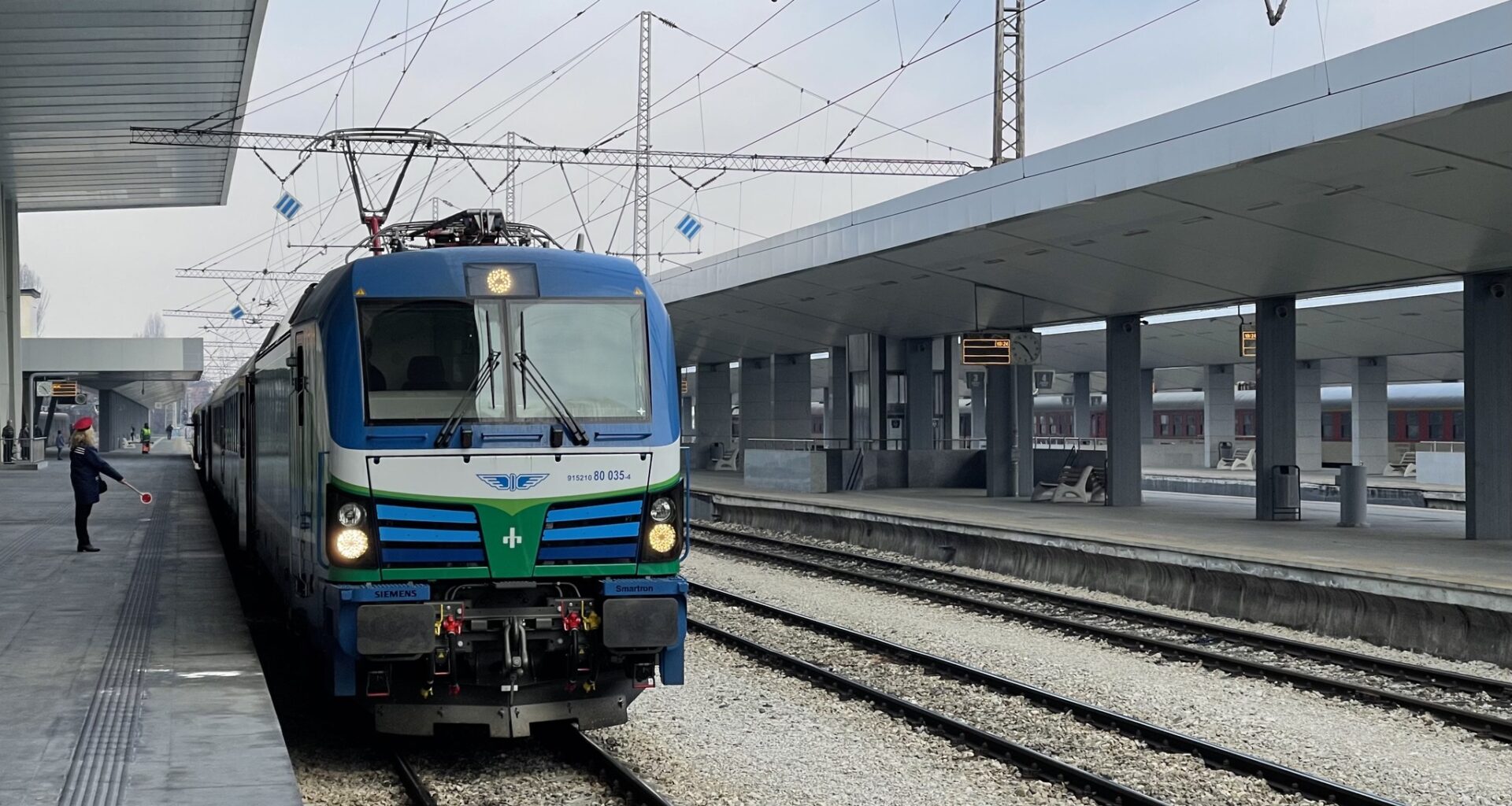
 Through its Integrated Transport Strategy 2030, Bulgaria wants rail transport to develop and offer all the advantages that will make passengers prefer this mode of transport, for which the liberalization of passenger rail transport becomes an essential factor in providing quality services.
From modernizing infrastructure and creating easy connections, both nationally and internationally, to purchasing new trains, Bulgaria aims to create a fast, safe, and comfortable passenger rail transport system capable of competing with road and air transport.
The priority is for every passenger to find the train a convenient option for daily commutes, interregional or international travel, through regular, reliable services that are well integrated with other modes of transport.
According to the National Institute of Statistics, last year, passenger rail transport in Bulgaria recorded a slight decrease compared to 2023, against a European backdrop of increased overall demand for train travel. In terms of performance, Bulgaria reported approximately 1.5 million passenger-km in 2024, an indicator of the total volume of journeys made, reflecting a downward trend in train use compared to previous years. Eurostat data also show that the decline in the number of passengers carried in Bulgaria was around 3.1%, placing the country among the EU countries with the lowest frequency of train users, with a level of around 3.6 train journeys per capita, below the European average.
 From a market perspective and in terms of the importance of passenger rail transport, Bulgaria’s rail network plays a strategic role in national and international connectivity, including through links to European transport networks. Although train use in Bulgaria is lower than in many other EU Member States, investments in modernizing rail infrastructure, services, and passenger comfort are crucial to revitalizing this sector. Efficient and competitive rail transport can boost tourism, support regional development, and offer a sustainable alternative to heavily used road transport.
An important step in the market liberalization process
An important point in the 2030 transport strategy is the liberalization of passenger rail transport by improving the conditions for implementing the principles of this process and facilitating the entry of more operators into the market.
In June, the Ministry of Transport launched a public consultation to establish the criteria for awarding passenger rail service contracts. In the initial phase, this process focuses on three regions, where candidates can compete to become regional rail operators. The proposed contracts have a duration of 12 years, and the existing rolling stock—including carriages, locomotives, and railcars purchased before 2009—will be allocated to operators according to the level of service they intend to provide.
Share on: 


