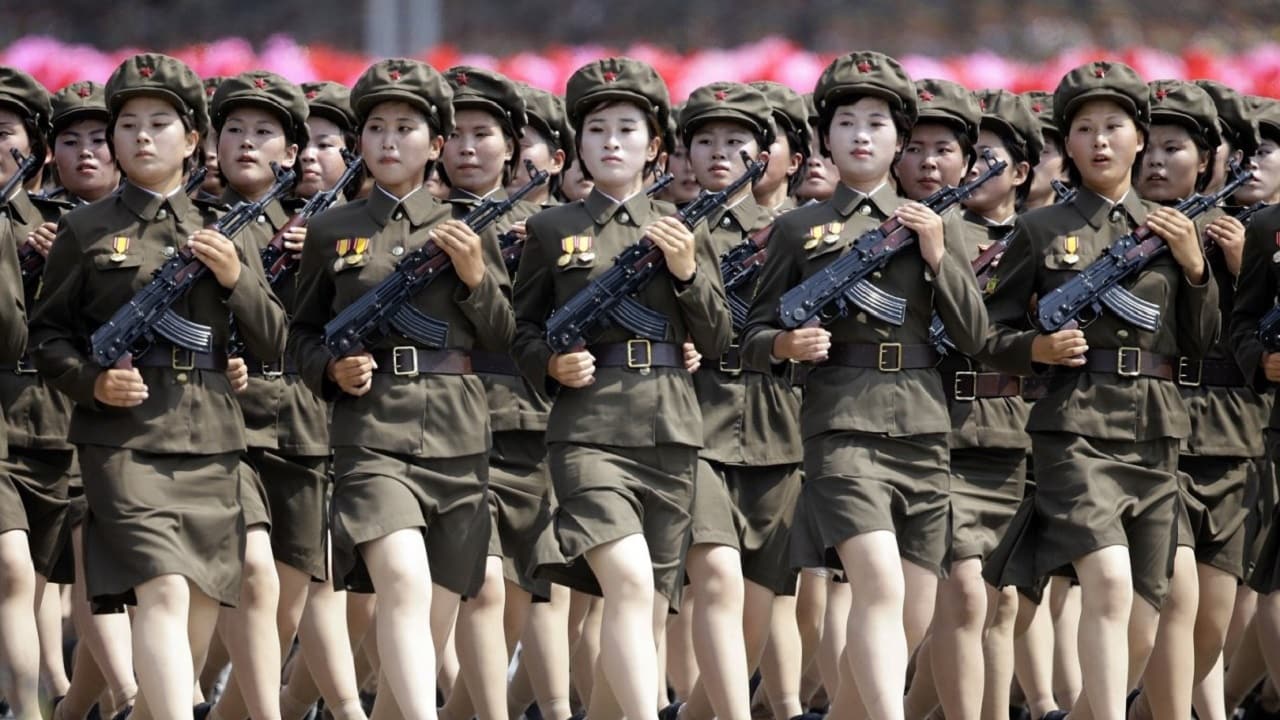
Key Points and Summary – North Korea’s most underrated weapon isn’t its nukes or artillery, but its vast tunnel network under and around the DMZ.
-The infamous Third Tunnel alone could move an estimated 30,000 troops per hour toward Seoul, giving Pyongyang a powerful logistical and surprise-attack tool in any renewed Korean War.
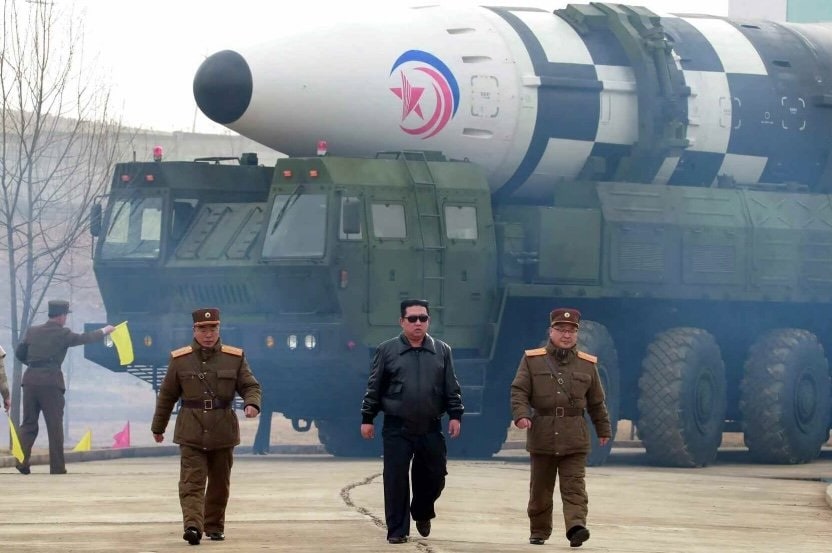
North Korea wheeling out new Hwasong-17 ICBM. Image Credit: Creative Commons.
-Drawing comparisons to Hamas tunnels in Gaza and Viet Cong tunnel complexes in Vietnam, the piece shows how underground networks let weaker forces offset U.S. and allied technological advantages.
-Any future conflict on the peninsula would demand enormous effort—and risk—to find, clear, or neutralize these hidden invasion routes.
Inside North Korea’s Secret War Plan: Tunnels, Not Nukes
In addition to its Great Power near-peer rivalries with the People’s Republic of China and the revanchist Russian Federation, the United States of America must also contend with the menace of “rogue nation” states such as the Islamic Republic of Iran and the Democratic People’s Republic of Korea (DPRK), i.e., North Korea, AKA the “Hermit Kingdom.”
Regarding North Korea, much has been said about its 1.3 million-strong Korean People’s Army, its 200,000-strong Special Operations Forces (SOFs), their massive artillery numbers, their submarine fleet, and so forth.
But, in the immortal words of US Marine Corps Gen. Robert H. Barrow, “Amateurs talk about tactics, but professionals study logistics.” North Korea’s best weapon system is arguably a non-kinetic one: its vast tunnel system.
DPRK/NK Tunnels: Some Hard Fast Numbers
There are a total of four *known* tunnels* under the border between North Korea and South Korea (officially the Republic of Korea [ROK]), extending south of Panmunjom.
The most infamous of the bunch is the so-called 3rd Tunnel.
As noted by the VisitKorea website, “The 3rd Tunnel is the third of its kind built by North Korea for the purpose of invading South Korea. It was discovered in 1978. Among the four tunnels located so far, it is the closest to Seoul (about 52 km). It has a total length of 1.6 km and a width of 2 m. It is estimated that **nearly 30,000 personnel** can move through the tunnel every hour. Visitors to the 3rd Tunnel must reserve the tour in advance. The tour starts from the Imjingak Pavilion. All visitors are required to bring their identification, such as passports or Alien Registration Card (ARC).” [emphasis added]
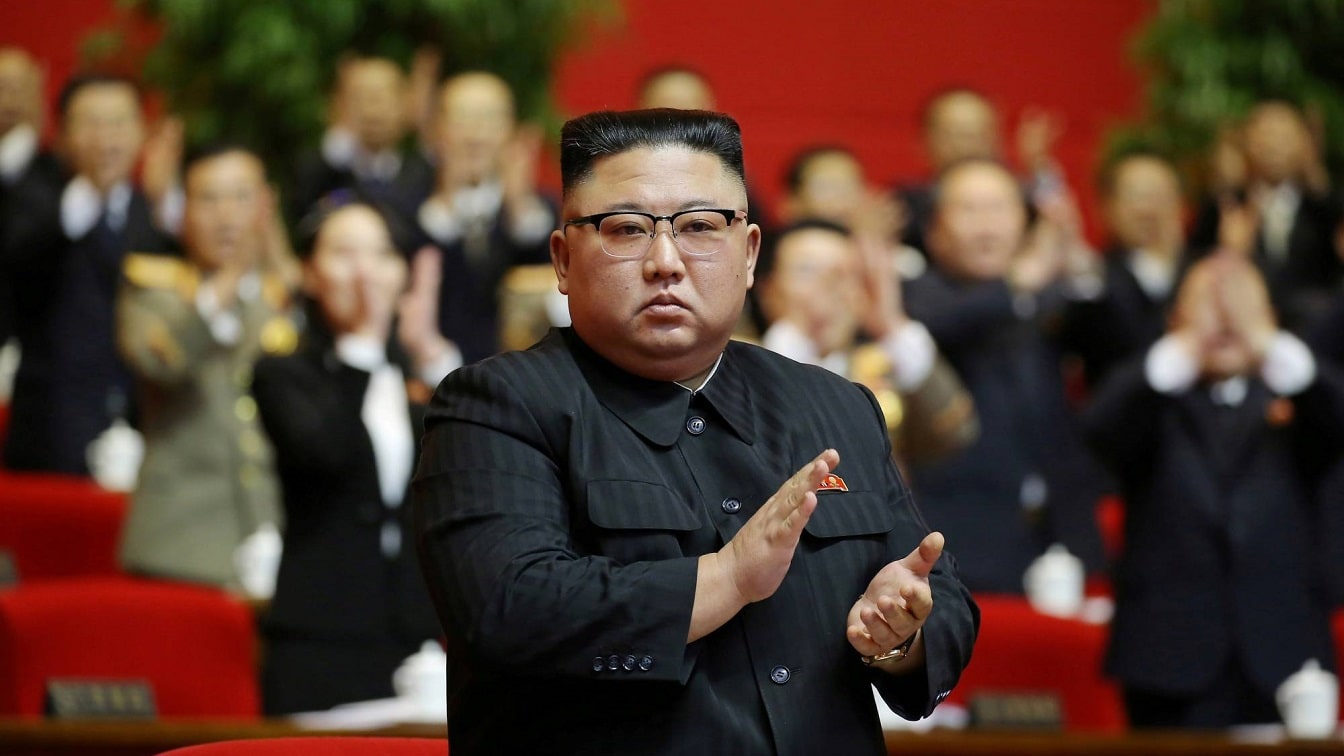
Image of North Korean Leader Kim Jong Un. Image Credit: North Korean State Media.
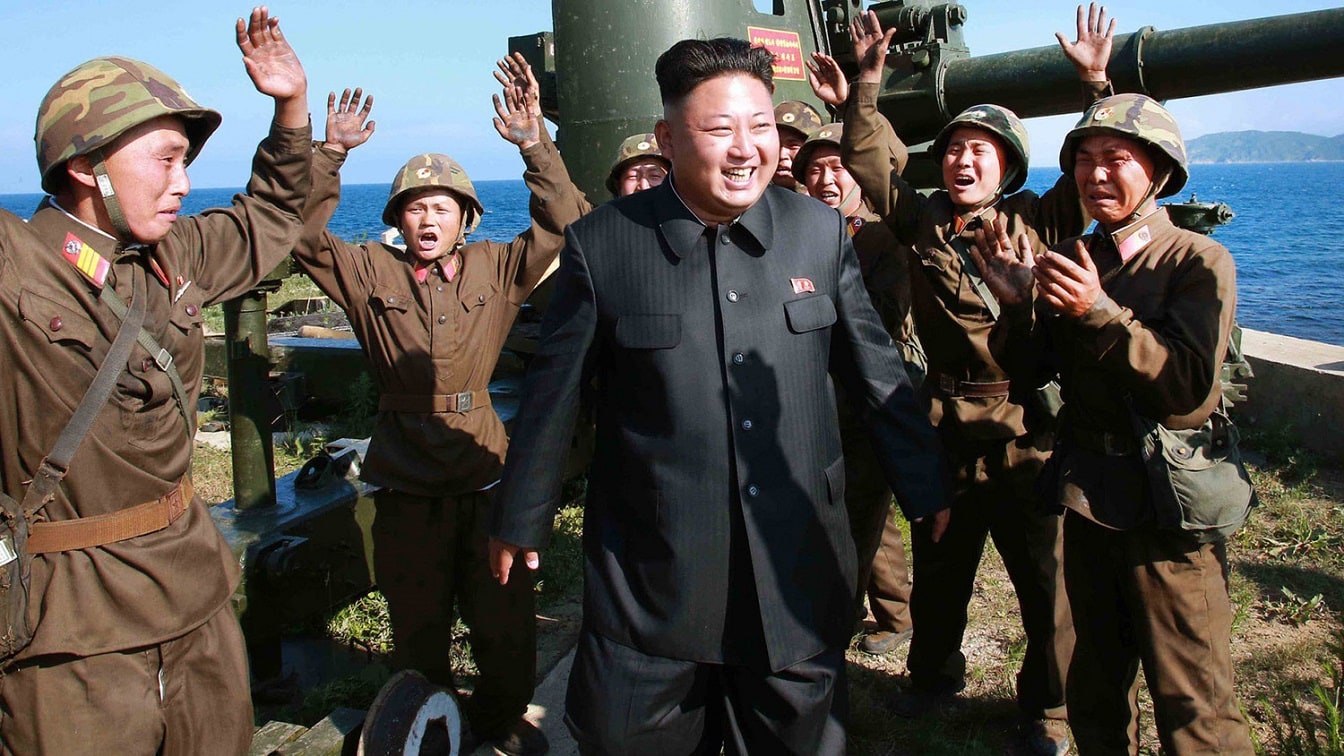
Image of Kim Jong Un. Image Credit: North Korean State Media.
It was in 1975 that a North Korean defector named Kim Bu-seong tipped off the Americans and South Koreans to the existence of the 3rd Tunnel.
What really makes one shudder is the thought of how many unknown North Korean tunnels are lurking underneath the topsoil of the Korean Peninsula and how many fanatical Communist troops they could accommodate.
For a fictitious but still reasonably realistic depiction of North Korean tunnels, read the bestselling novel “Red Phoenix” by Larry Bond and Pat Larkin. (Before writing “Red Phoenix,” Larry had already gained some fame as the late great Tom Clancy’s co-author on the WWIII novel “Red Storm Rising.”)
For Basis of Comparison: Hamas Tunnels
The Korean War is on an extended pregnant pause via the 1953 Armistice (which was most certainly not a true peace treaty, ergo the war hasn’t officially ended yet), which means the North Korean tunnels aren’t currently being used to launch an invasion force.
However, one need not travel far back in time to see a prime example of the nefarious use of tunnels in warfare; one only needs to travel roughly halfway around the globe to examine the tunnels used by the Hamas terrorist group against Israel in the Gaza War.
As noted by the Israel Defense Forces (IDF) official info page, “Since the beginning of Operation Protective Edge, the IDF has uncovered dozens of terror tunnels in Gaza. Any other nation would not tolerate the threat that these tunnels pose to Israel’s civilian population.”
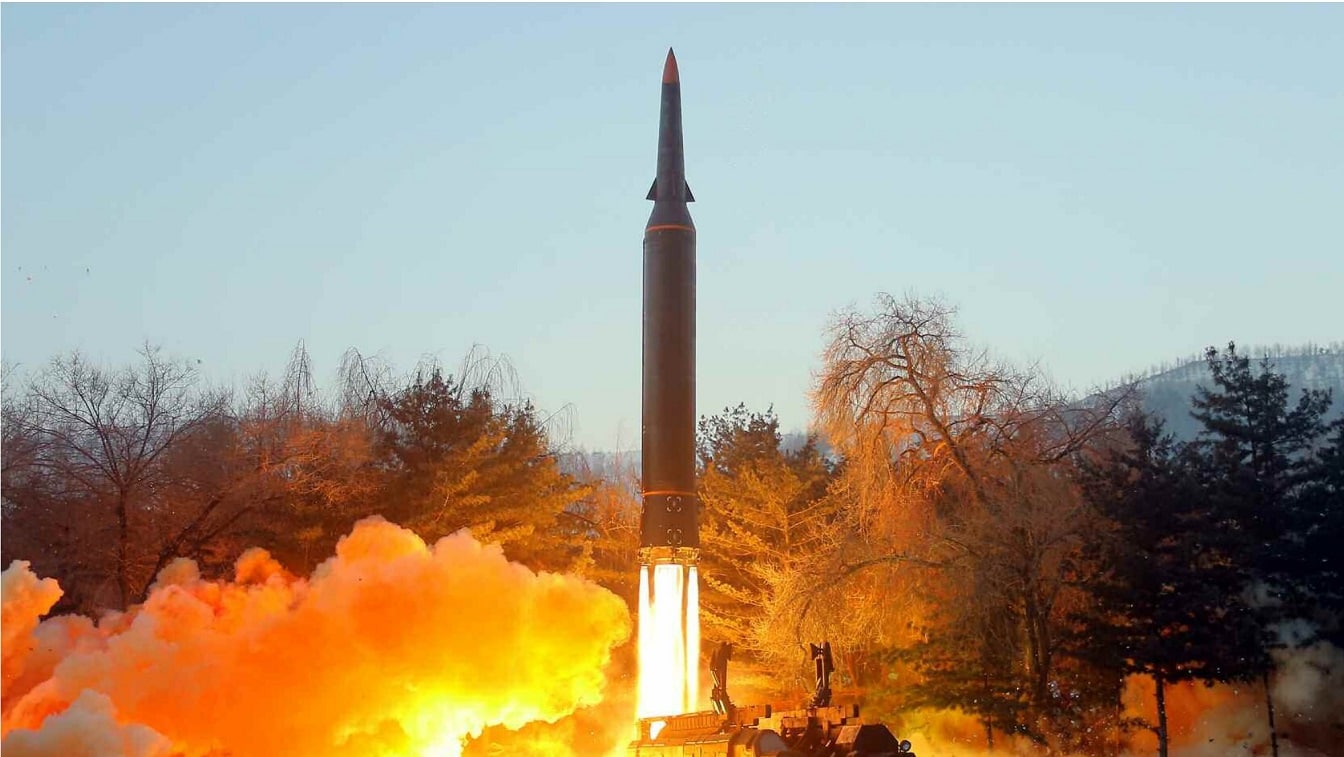
North Korea’s New Hypersonic Missile. Image Credit: KCNA/North Korean State Media.
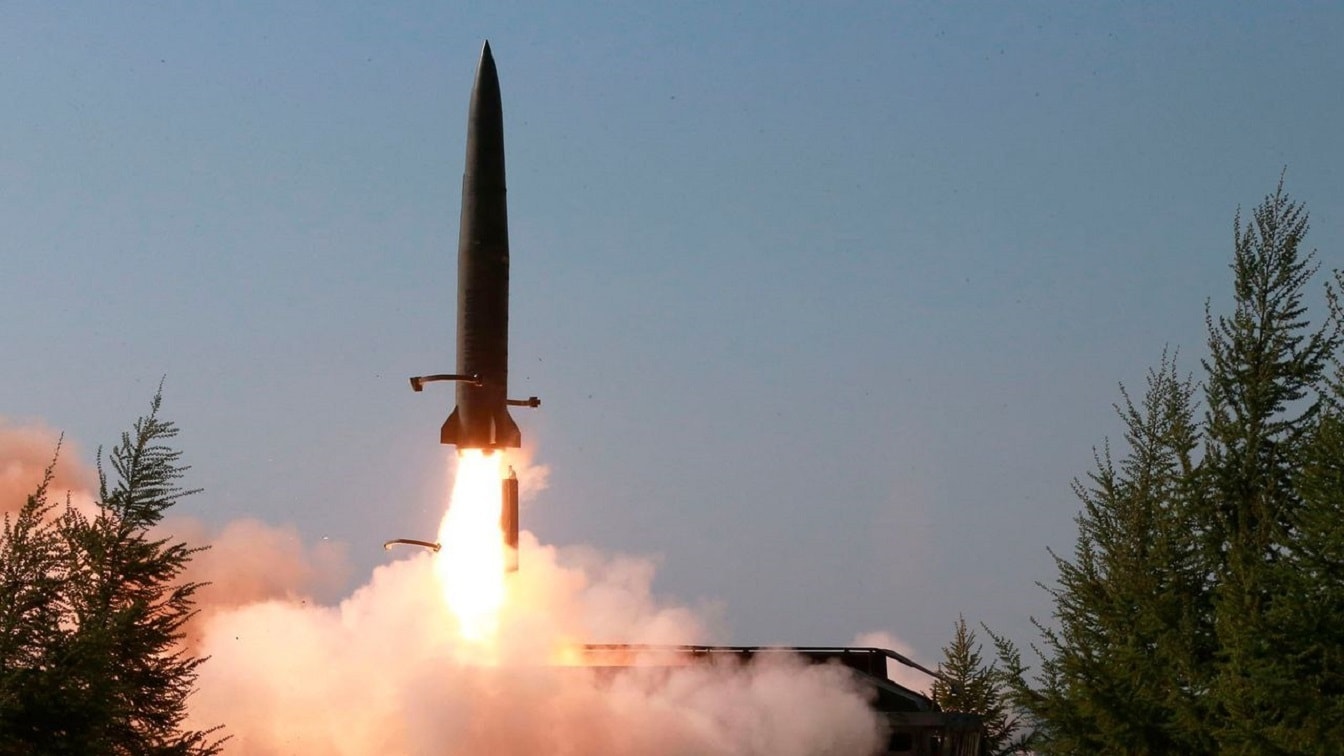
North Korea Ballistic Missile Test. Image Credit: Creative Commons.
The IDF page adds that “Hamas exploits the Palestinian population of Gaza by building tunnels beneath densely populated areas. Often, the tunnels’ access points are hidden between schools, mosques, hospitals, and other civilian buildings. The terrorist organization deliberately embeds its terrorist infrastructure inside civilian neighbourhoods, knowing that the IDF is reluctant to strike civilian areas.”
And of course, Hamas used these tunnels to imprison the hostages from the October 7, 2023, attacks under utterly barbaric conditions.
For Basis of Comparison Part Deux: Viet Cong (VC) Tunnels
We can also look at another Cold War conflict fought on Asian soil to gain additional appreciation for how challenging it would be to contend with DPRK tunnels in the case of a Korean War renewal.
VC tunnels were a significant (if not even bigger) thorn in the side of American GIs fighting in the Vietnam War, as Hamas tunnels are to the IDF. The tunnels of the Communist “Victor Charlies” in turn necessitated the “Tunnel Rats” (of whom Forrest Gump was arguably cinematic fiction’s most famous example).
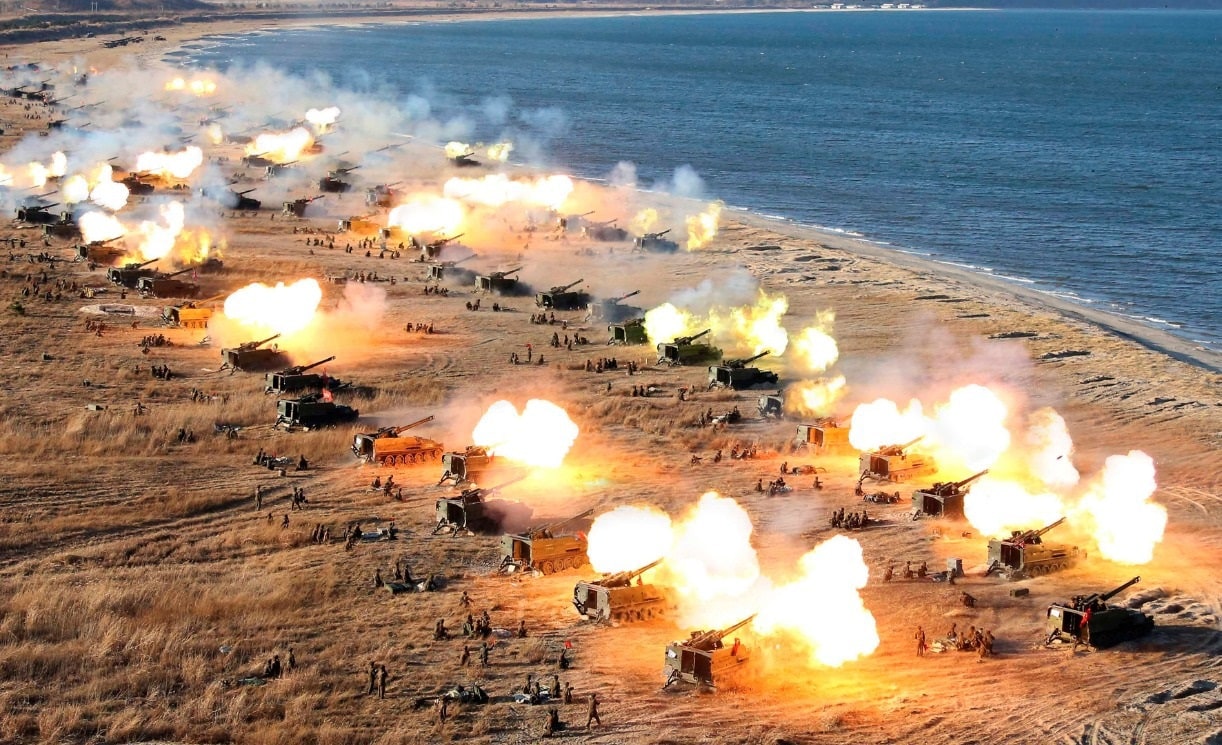
Image: KCNA/North Korean State Media.
According to the National Museum of the United States Army, “The tunnel rats were an eclectic group selected for unique characteristics. Most were short (most were less than 5 feet 5 inches tall) with a slight, wiry build. The job also required a special kind of mental toughness: crawling for hours in claustrophobic darkness, expecting mortal danger could break down even the bravest men.”
The extremely tightly confined close quarters battle (CQB) in these VC tunnels rendered the standard full-sized M16 infantry rifle too impractical. Ergo, the .45 ACP caliber M1911 pistol was the go-to gun for the Tunnel Rats.
About the Author: Christian D. Orr, Defense Expert
Christian D. Orr is a Senior Defense Editor. He is a former Air Force Security Forces officer, Federal law enforcement officer, and private military contractor (with assignments worked in Iraq, the United Arab Emirates, Kosovo, Japan, Germany, and the Pentagon). Chris holds a B.A. in International Relations from the University of Southern California (USC) and an M.A. in Intelligence Studies (concentration in Terrorism Studies) from American Military University (AMU). He is also the author of the newly published book “Five Decades of a Fabulous Firearm: Celebrating the 50th Anniversary of the Beretta 92 Pistol Series.”