Kaleigh Harrison
As climate change disrupts ecosystems at an accelerating pace, a new study suggests that some of the most valuable insights into long-term resilience may come not from infrastructure or innovation—but from bears.
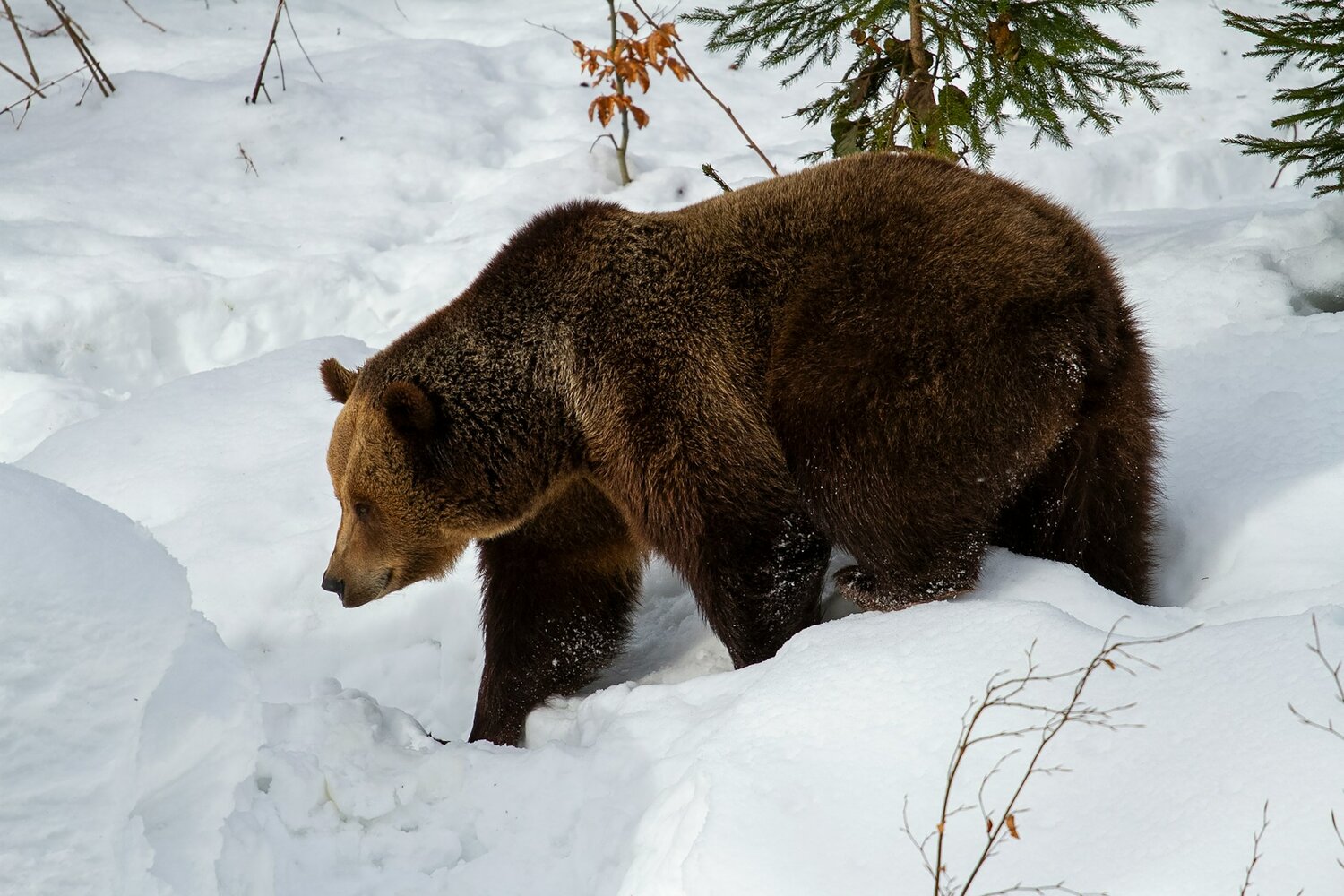
Research led by Germany’s Senckenberg Biodiversity and Climate Research Center analyzed both modern ecological data and fossil records to show how bear species have historically adapted their diets in response to shifting environmental conditions. By flexibly altering their role in the food web, bears have managed to persist through millennia of climate volatility—offering a timely model for organizations navigating today’s uncertain landscapes.
In essence, bears act as dynamic players in their ecosystems. While they’re classified as carnivores, most species consume a high proportion of plant-based food, supplementing their intake with meat, fish, or insects when necessary. The specific mix depends on regional productivity and season length: short growing seasons push them toward animal protein, while longer seasons support a more herbivorous diet.
This ability to switch ecological roles—predator, scavenger, seed disperser, nutrient recycler—does more than just keep bear populations stable. It also helps buffer the ecosystems they inhabit. From a systems perspective, the implication is that adaptability at the top of the food chain can help stabilize conditions below it, rather than exacerbate disruption.
Trophic Rewiring: Why It Matters for Climate Strategy
The study introduces the concept of “trophic rewiring,” referring to how large omnivores like bears change their interactions within food webs based on available resources. This reshuffling isn’t just about survival—it actively alters how energy, nutrients, and biological functions flow through an ecosystem.
By analyzing isotope data from fossilized bear bones—collected from 14 European museum and paleontology collections—researchers traced shifts in diet over thousands of years. In post-Ice Age Europe, for example, as temperatures rose and vegetation expanded, brown bears gradually leaned into more plant-based diets. In contrast, strict herbivores like red deer showed little change, offering a stable benchmark for comparison.
What’s striking is that bears weren’t just surviving—they were recalibrating their ecological role in response to environmental change. And in doing so, they contributed to the long-term stability of their ecosystems.
For sustainability leaders, policymakers, and B2B decision-makers, this concept of trophic flexibility offers a powerful metaphor. In any complex system—whether ecological, economic, or organizational—resilience hinges on the capacity to adjust roles, functions, and inputs when external conditions shift. Locked-in systems, by contrast, are far more vulnerable to shocks.
The urgency is clear: today’s environmental shifts are happening at a pace far faster than the transitions seen in the fossil record. Learning from species that have withstood centuries of climate pressure could help inform strategies for navigating rapid change today. For organizations managing supply chains, natural capital, or energy transitions, the lesson is simple: the ability to pivot may prove just as valuable as the strength to endure.