Published on
December 18, 2025
By: Paramita Sarkar

As we approach 2026, the tourism landscape across Italy, Spain, France, and other European destinations is undergoing a significant transformation. The traditional model of travel is evolving into one that places greater emphasis on personalized experiences and sustainable practices, driven largely by artificial intelligence (AI) tools. According to the latest Travel Megatrends 2026 report, released by Data Appeal Company and Mabrian, both part of Almawave Group, the future of travel is being shaped by seven major trends, with experience-led and agentic destination management emerging as key focus areas.
The rapid adoption of AI and smart technologies is not just changing how destinations attract visitors but also how they engage with them throughout their journey. In 2026, travelers are no longer looking for generic itineraries or traditional tourist hotspots. Instead, they seek deeper connections, tailored experiences, and opportunities for personal growth and wellness. This shift toward experience-driven tourism is making destination management more dynamic and responsive than ever before.
What Are the Key Trends Shaping Travel in 2026?
The Travel Megatrends 2026 report identifies seven core trends that will define the tourism industry next year, all of which are powered by AI, data intelligence, and a deeper understanding of traveler preferences.
The Intentional Traveler: Personalization Takes Center Stage
In 2026, personalizing the travel experience will no longer be a luxury; it will be a necessity. Travelers will look for journeys with clear purposes—whether to reconnect with nature, recharge, explore new cultures, or spend quality time with family. AI-powered tools will provide personalized recommendations, offering real-time suggestions and supporting decisions throughout the trip.Story-Led Journeys: Travel as a Narrative
Destinations are becoming stages for immersive, story-driven experiences. From visiting iconic cinematic locations to creating bespoke itineraries inspired by films and media, narrative tourism is on the rise. This trend is being amplified by AI, which helps travelers discover and create unique, meaningful stories during their travels.Event Tourism: Managing Legacy and Impact
Major events, from sports tournaments to festivals and exhibitions, are becoming increasingly significant for European destinations. AI tools are helping cities plan and manage these events more effectively, maximizing their economic impact while ensuring sustainability and minimizing overcrowding.The Wellbeing Reset: Wellness Tourism Expands
With an increased focus on mental, physical, and emotional health, wellness tourism is a key driver of travel decisions in 2026. From wellness retreats in the mountains of Spain to regenerative experiences in Italy’s countryside, travelers are prioritizing health and wellbeing alongside leisure and adventure.Back to Belonging: Reconnecting with Roots
Rooted in nostalgia and identity, this trend focuses on revisiting family heritage or connecting with cultural roots. Italy, for example, has seen significant growth in this segment, especially in regions like Basilicata, where travelers are exploring their heritage with family or friends, blending personal connection with cultural exploration.From Icons to Experiences: The Rise of Experience-Led Tourism
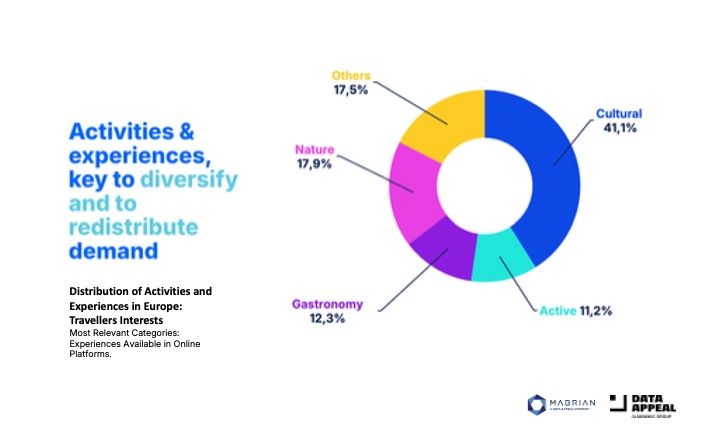
Italy, Spain, and France are increasingly focusing on experience-led tourism, moving away from simply promoting iconic landmarks toward offering well-structured, diverse experiences. From gastronomic tours in Italy to nature-based adventures in France, destinations are using digital platforms to market unique, less-known experiences, balancing visitation geographically and seasonally.Tech-Intelligent and Sustainable Destinations
Destinations in Europe are becoming smarter, using data and AI to predict demand, manage visitor flows, and optimize resources. These tech-driven systems not only enhance the visitor experience but also promote sustainability, helping manage tourism in a way that protects both the environment and the local community.Why AI and Smart Systems Are Critical in Destination Management
The role of AI in destination management is paramount, as it enables real-time adjustments to visitor flows, identifies less crowded times for popular attractions, and optimizes itineraries for both sustainability and convenience. These AI systems are being used to monitor trends, recommend actions, and automate processes under human oversight, leading to more efficient and personalized travel experiences.
Destinations in Europe are increasingly leveraging this technology to create resilient ecosystems. AI-powered systems help balance economic, cultural, and environmental factors, ensuring that tourism does not overwhelm local resources or negatively impact the community. This is especially crucial for regions like Italy and Spain, where tourism has historically been a major economic driver, but also a source of strain on infrastructure.
How This Will Impact the Tourism Industry in Italy, Spain, France, and Beyond
In 2026, travelers will expect more than just a trip; they will seek a connection to the places they visit. This shift will make traditional destination management strategies obsolete. Instead, travel will be driven by experiences that reflect individual interests, lifestyles, and wellbeing. Destinations like Italy, Spain, and France are already investing in AI and data systems to ensure they can meet these expectations and create a more sustainable and meaningful travel experience.
The increasing demand for personalized, sustainable, and experience-driven travel is reshaping the tourism industry. As we move into 2026, the combination of AI tools and the desire for deeper, more meaningful travel experiences will make destinations more dynamic, responsive, and ultimately, more aligned with the values of the modern traveler.
Conclusion: What’s Next for 2026?
The trends identified in the Travel Megatrends 2026 report point toward a future where travel is guided by personal choices, well-being, and immersive experiences. Italy, Spain, France, and other European destinations are leading the way in adopting AI and experience-led tourism strategies, ensuring they remain competitive in a rapidly evolving global travel market. For travelers seeking connection, purpose, and sustainable travel, the future of tourism is bright—and it begins in 2026.
