From reproductive rights to climate change to Big Tech, The Independent is on the ground when the story is developing. Whether it’s investigating the financials of Elon Musk’s pro-Trump PAC or producing our latest documentary, ‘The A Word’, which shines a light on the American women fighting for reproductive rights, we know how important it is to parse out the facts from the messaging.
At such a critical moment in US history, we need reporters on the ground. Your donation allows us to keep sending journalists to speak to both sides of the story.
The Independent is trusted by Americans across the entire political spectrum. And unlike many other quality news outlets, we choose not to lock Americans out of our reporting and analysis with paywalls. We believe quality journalism should be available to everyone, paid for by those who can afford it.
Your support makes all the difference.
Read more
Venezuela’s navy has escorted commercial oil tankers to Asia in direct defiance of a U.S. military blockade targeting the country’s oil industry.
Three ships carrying urea, petroleum coke and other oil-based products sailed on Tuesday and Wednesday and were accompanied by naval escorts ordered by President Nicolas Maduro, according to the New York Times.
A U.S. official said that Washington was aware of the escorts and was considering various courses of actions.
The vessels were not on a list of sanctioned tankers maintained by the Treasury and threatened with attack, according to a review by the publication.
PDVSA, the country’s state oil company said that ships continued to sail “with full security, technical support and operational guarantees in legitimate exercise of their right to free navigation.”
Tensions have been escalating between the U.S. and Venezuela after President Donald Trump’s government approved military strikes on alleged “drug trafficking boats”.
open image in gallery
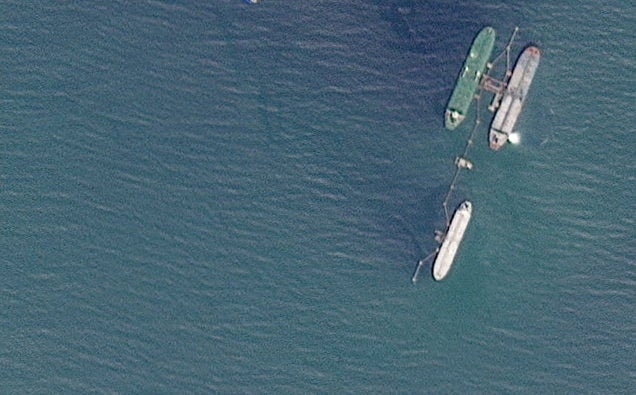
A satellite image shows the very large crude carrier (VLCC) Skipper, which British maritime risk management group Vanguard said was believed to have been seized on 10 December. (via REUTERS)
On Tuesday, Trump ordered a “total and complete blockade of all sanctioned oil tankers” into and out of Venezuela and demanded the return of oil that he claimed belonged to America.
Last week, the seizure of an oil tanker reported to be carrying sanctioned fuel led to a marked escalation in hostilities between Washington and Caracas.
Eight more people were killed in a U.S. military strike on Tuesday, bringing the total number of people killed in similar actions to 95. The United Nations and other legal experts have warned that the deaths could amount to “extra judicial killings”.
An unprecedented build-up of US military assets in the Caribbean has stoked fears of military intervention, with Trump seeking to oust Maduro.
open image in gallery
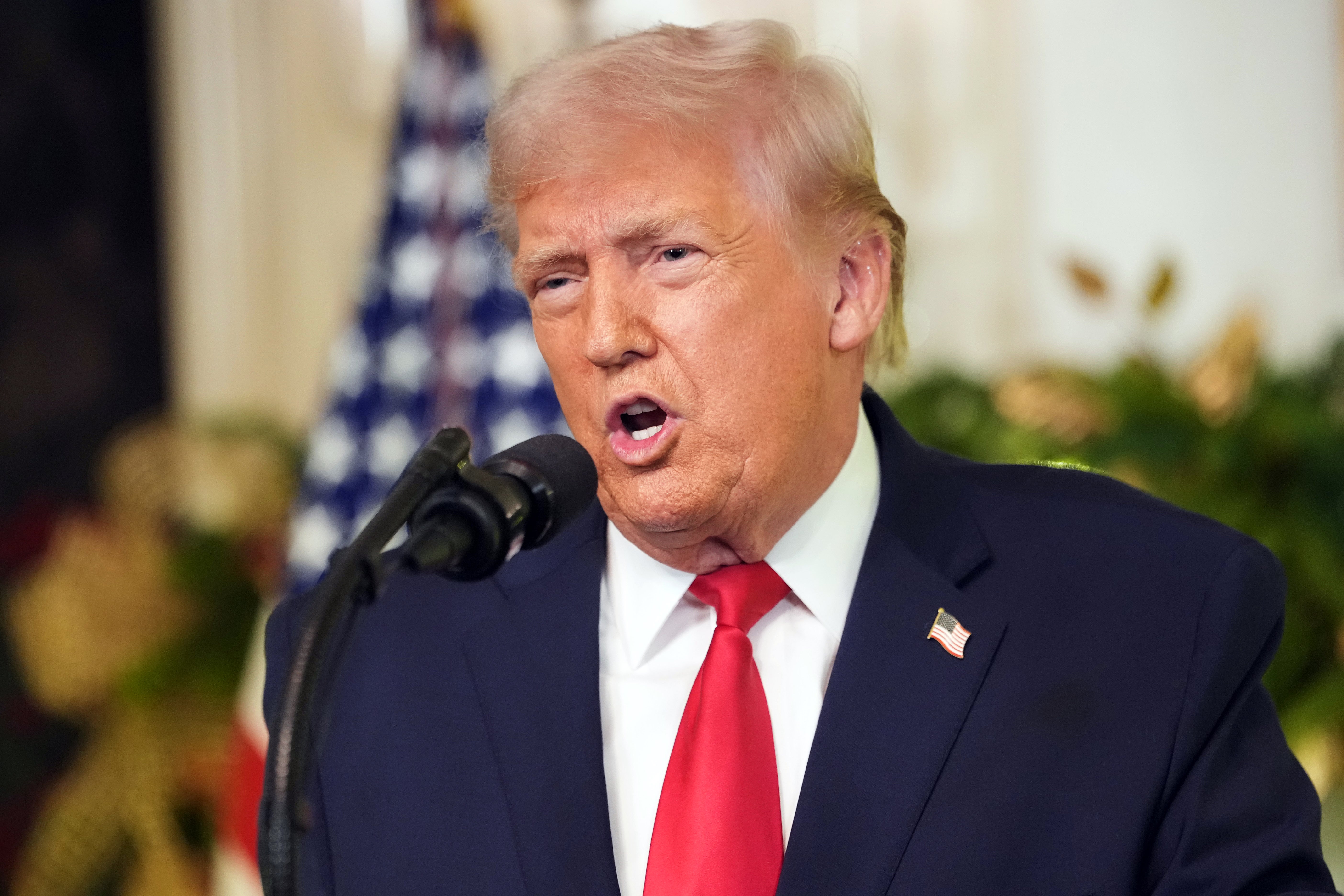
Trump has demanded Venezuela surrender its oil to the U.S. (Doug Mills – Pool/Getty Images)
Maduro has accused the U.S. of “fabricating” a war in order to exploit the country’s oil resources, but the White House insists it is targeting “narco-terrorists” and drug smugglers.
Venezuela is known to have control over the largest known oil reserve in the world, producing around 1 million barrels a day.
Its oil is primarily found in the Orinoco Belt, a region in the country’s east that covers around 55,000 sq km.
The country’s proven reserves are estimated at holding more than 303 billion barrels — trumping Saudi Arabia’s 297.7 billion barrels.
In comparison, the U.S.’s oil reserves are significantly smaller, consisting of 46 billion barrels as of 2023, making it six times smaller.