The European Court of Justice (ECJ) has ruled that Denmark’s controversial so-called “ghetto law” may breach EU rules on racial equality, raising hopes among residents and campaigners that the legislation could be overturned.
The law, introduced in 2018, allows authorities to demolish or sell social housing in areas labelled “parallel societies”, where at least half of residents are classified as having a “non-western” background and where socioeconomic indicators such as unemployment or crime are high.
ECJ ruling: The case will be studied carefully
In its judgment, the ECJ said the law could lead to unequal treatment and a higher risk of eviction for residents compared with people living in similar areas with lower levels of immigration. While the court stopped short of declaring the law outright illegal, it said Danish courts must now assess whether it results in discrimination based on ethnic origin.
Residents from affected neighbourhoods, including Copenhagen’s Mjølnerparken estate, welcomed the decision and said they were confident of winning their case in Denmark’s courts. More than 1,000 people have been forced to relocate under the policy, with rents rising sharply. Denmark’s social affairs ministry said the case will now return to the eastern high court and that it will study the ECJ ruling carefully.

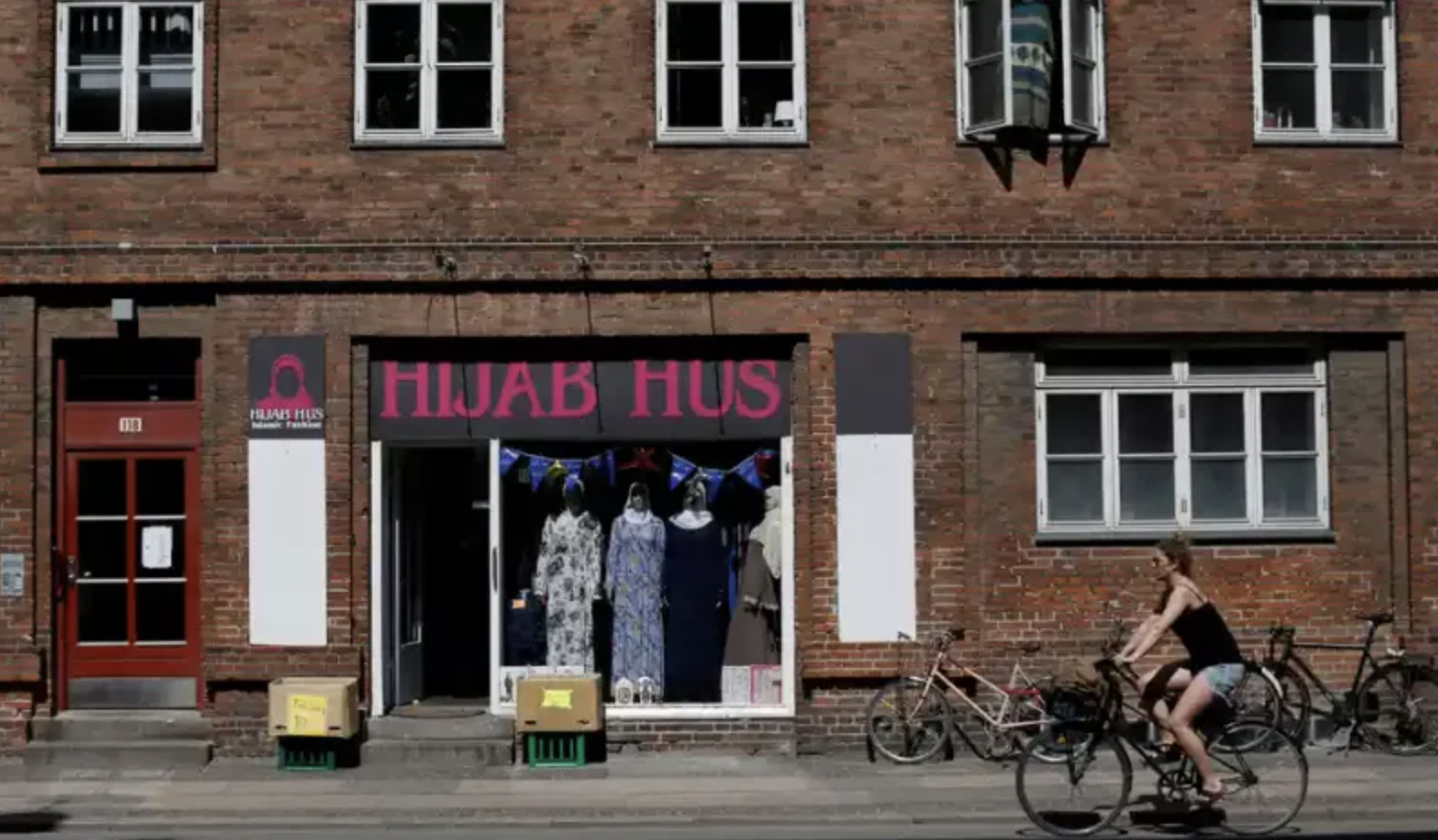
Hijab store near Mjølnerparken in Copenhagen, Denmark // Shutterstock