Facebook
Twitter
LinkedIn
Pinterest
Reddit
Email
Print
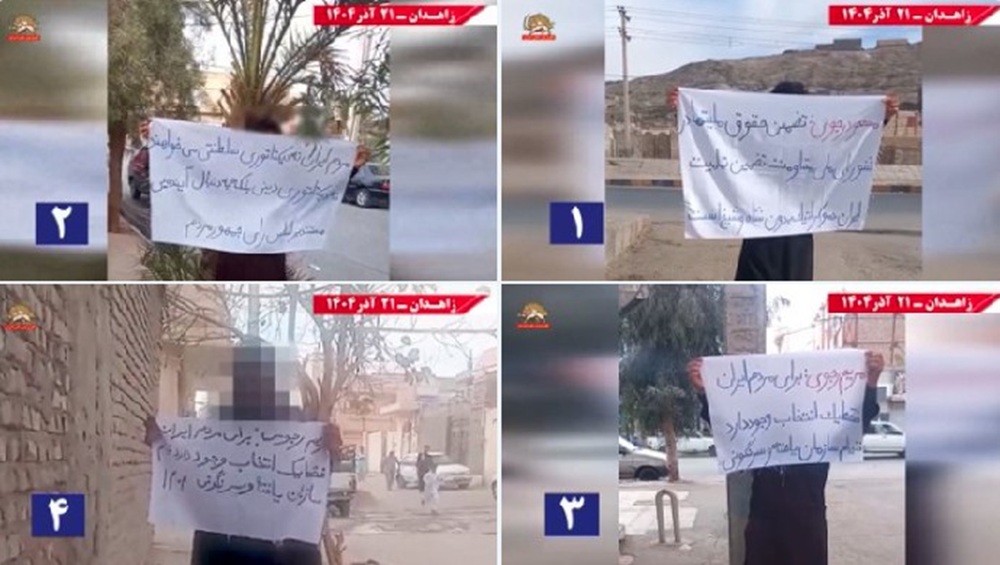 Resistance Units in Zahedan defy repression as Iran’s regime increases executions
THIS PAGE WILL BE UPDATED WITH THE LATEST NEWS
UPDATE: 08:00 AM CET
UN General Assembly Adopts 72nd Resolution Condemning Gross and Systematic Human Rights Violations in Iran
Mrs. Maryam Rajavi: The resolution’s focus on the 1988 massacre and today’s rising executions underscores a continuing crime against humanity by a regime reliant on execution and torture for its survival. The regime’s dossier must be referred to the UN Security Council, and its leaders must be brought to justice. On Thursday, December 18, 2025, the United Nations General Assembly adopted a resolution condemning the grave, widespread, and systematic human rights violations by the Iranian regime. This resolution, the 72nd of its kind, passed with 78 votes in favor and 27 against. Mrs. Maryam Rajavi, the President-elect of the National Council of Resistance of Iran, welcomed the adoption of the resolution. She noted its particular significance as it refers, for the first time, to the 1988 massacre and the continued impunity of its perpetrators, which has enabled the continuation of crimes against humanity.
How Iran’s regime is poisoning 59,000 Iranians a year by burning hyper-toxic fuel
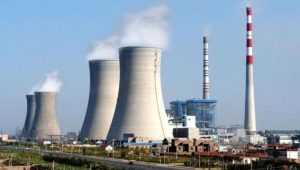
As of December 18, 2025, the people of Iran are facing a bitter winter. While cold weather, the flu, and severe economic hardship have already made life difficult, the clerical regime is subjecting the population to the hidden crime of burning Mazut. Mazut is the heaviest, dirtiest residue of crude oil, full of sulfur and heavy metals. It is a fuel the world abandoned years ago, yet the mullahs inject it directly into the people’s lungs. While the regime’s president Masoud Pezeshkian has been in office for over a year, his administration has failed to curb a pollution crisis that is literally choking the nation. According to the regime’s own Ministry of Health, 59,000 Iranians fall victim to air pollution every year.
Maryam Akbari Monfared Denied Medical Care, Warning of Possible Knee Surgery
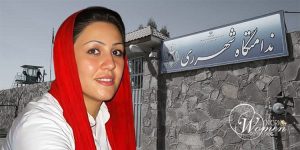
Maryam Akbari Monfared, a political prisoner held in Qarchak Prison, continues to be denied consistent access to specialized medical treatment, a delay that could lead to a serious deterioration of her physical condition and the need for knee surgery. Over the past week, she has been transferred several times to medical facilities outside the prison to receive physiotherapy and chiropractic care. However, prison authorities have conditioned the continuation of her treatment on referrals to state-run medical centers, facilities which lack the capacity to provide the specialized care she requires. Her request for access to an appropriate treatment center on her own expense has so far gone unanswered.
Iran: Rising Gasoline Prices and the Unprecedented Collapse of the Rial
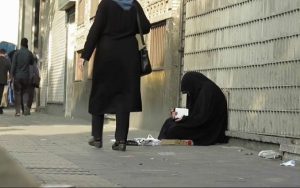
Iran’s rial continues to fall and has reached the lowest level in its historical record. As a result, the U.S. dollar exchange rate in the open market has surpassed 1.32 million rials. This sharp decline comes less than two weeks after the rial crossed the 1.2 million thresholds against the dollar for the first time, a trend that has accelerated under the pressure of sanctions and escalating regional tensions. In a report, the Associated Press news agency addressed the unprecedented decline in the value of Iran’s national currency, writing that currency traders in Tehran on Thursday, December 18, quoted rates higher than 1,320,000 rials per dollar, indicating the rapid pace of the rial’s depreciation since December 3, the date when it reached a historic record.
Engineered Crises and a Broken Future: How Iran’s Regime Destroys Knowledge and Human Capital
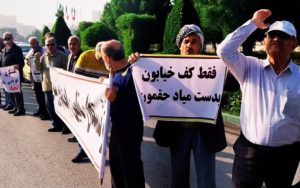
From mass graduate unemployment to rising addiction among students, official data expose a deliberate strategy of social exhaustion under clerical rule. The Iranian regime is no longer governing; it is merely surviving—encircled by self-made crises and sustained through daily attrition. Reports, statistics, and even admissions by regime-affiliated experts confirm a consistent tactic: bend society under manufactured pressures until it loses the capacity to stand. The destructive consequences of these engineered crises have gone far beyond temporary hardship, eroding economic infrastructure and systematically dismantling Iran’s human capital. A striking illustration appeared in Jahan-e Sanat on December 16, 2025, documenting the growing futility of education and expertise under the clerical regime.
Also, read Iran News in Brief – December 18, 2025